The Homesteader’s Complete Guide to Growing a Medicinal Herb Garden
The Homesteader’s Complete Guide to Growing a Medicinal Herb Garden
There’s a special kind of peace that comes from knowing you can walk out your back door and find exactly what you need to soothe a troubled tummy or calm a restless mind. For generations, we’ve relied on the good earth to provide for us, and a medicinal herb garden is one of the most direct ways to honor that tradition. Growing your own remedies isn’t just about self-sufficiency, y’all; it’s about reconnecting with the wisdom of our ancestors and nurturing a living pharmacy right in your own yard. This guide will walk you through some of my favorite, time-tested herbs that are as easy to grow as they are useful.
Key Takeaways
- Start Simple, Grow Wise: Begin with a few versatile and forgiving herbs like Chamomile, Peppermint, and Calendula. You can build a powerful home apothecary with just a handful of reliable plants.
- Know Your Land: Understanding your garden’s unique sunlight, water, and soil conditions is the most important step. A happy herb is a potent herb, so give it a home where it can thrive.
- Harvest with Respect: The timing and method of harvesting are crucial for preserving the medicinal properties of your plants. Learning how to properly dry and store your herbs ensures they’ll be ready when you need them most.
The Deep Dive: Clara’s Top 10 Medicinal Herbs
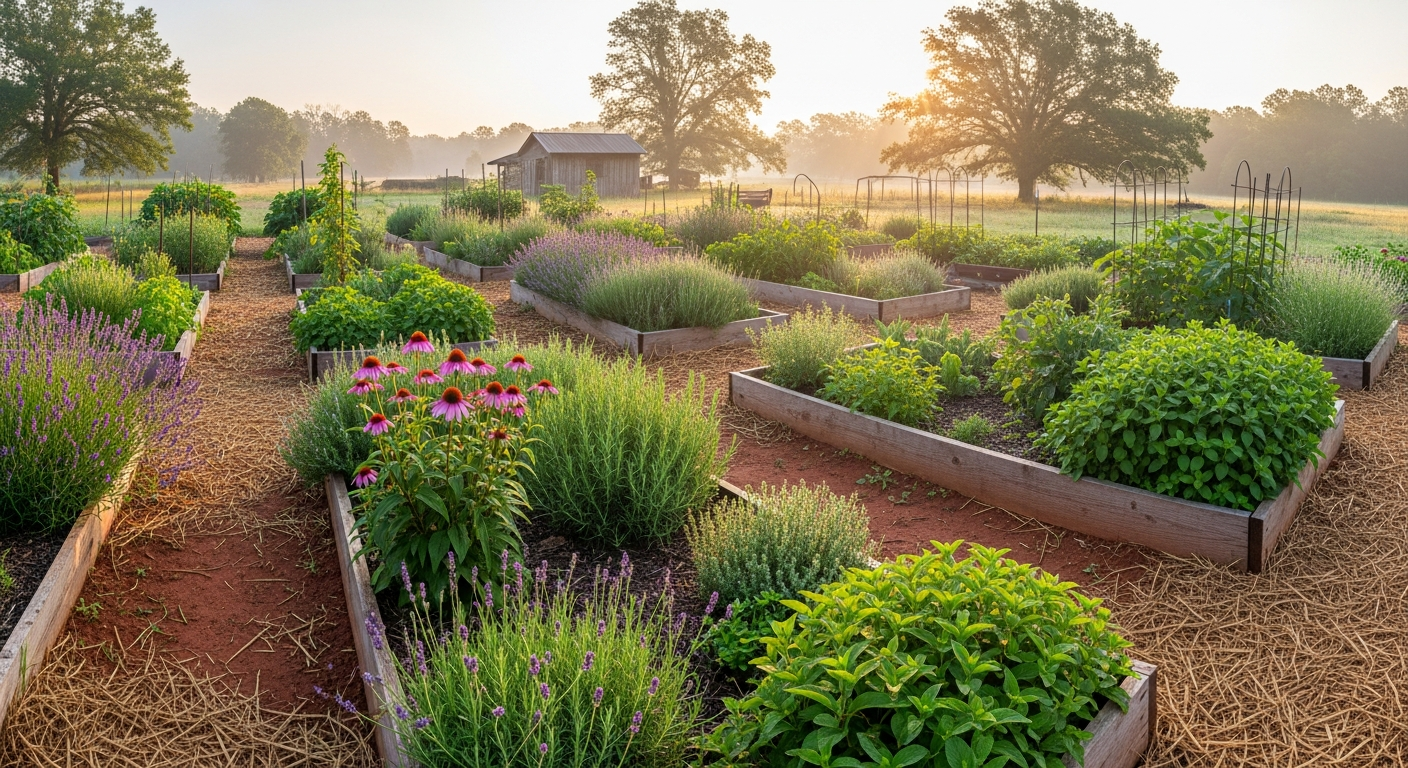
Now, let’s get our hands in the dirt. Here are some of the most reliable and useful herbs I believe every homesteader should consider. For each one, we’ll talk about its traditional uses, how to grow it, and how to harvest it for your home remedies.
1. Chamomile (Matricaria recutita)
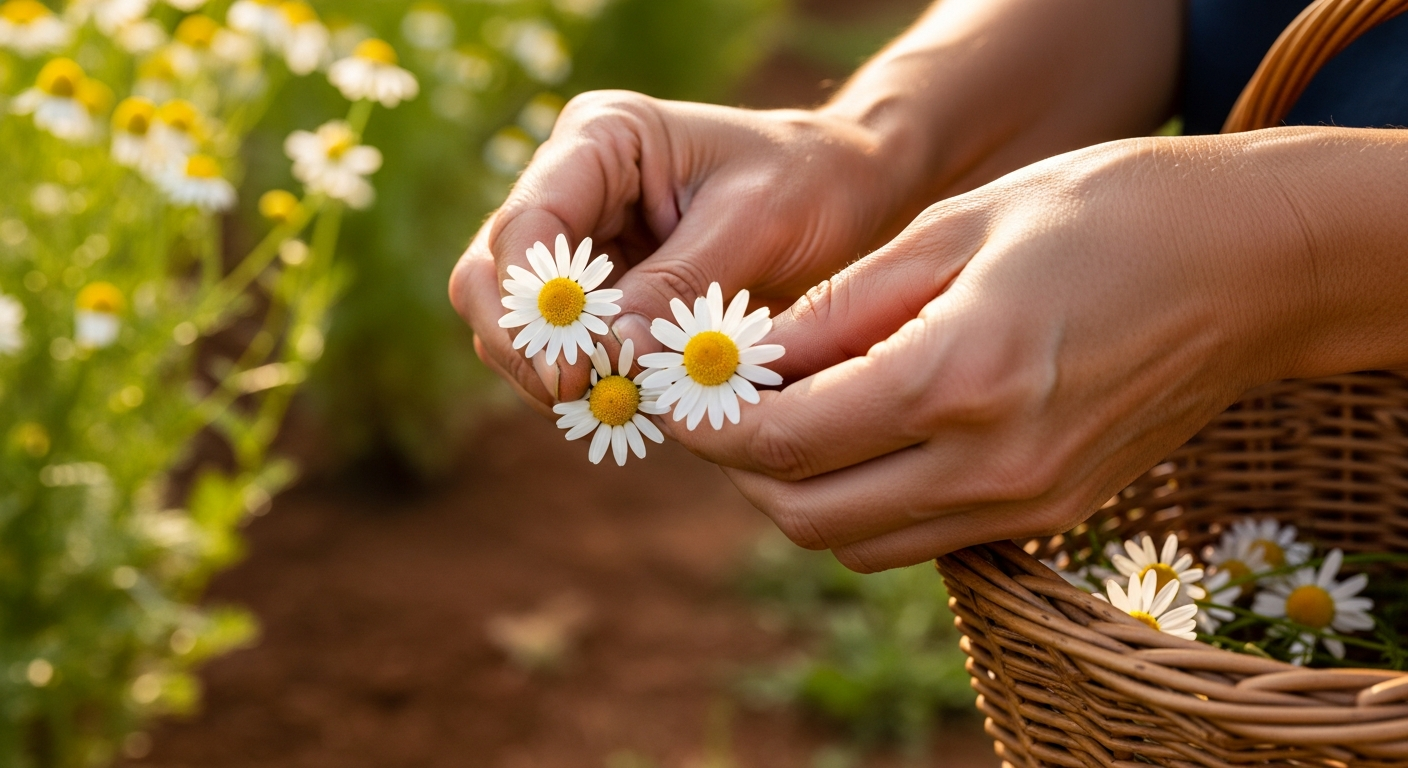
Oh, sweet Chamomile. If there’s one herb that feels like a warm hug in a mug, this is it. It’s a gentle giant in the world of medicinal plants.
- Traditional Uses: It’s most famous for promoting sleep and calming anxiety. A cup of chamomile tea before bed is a tradition for a reason! It’s also wonderful for soothing upset stomachs, easing colic in babies, and can be used as a skin wash for irritations.
- Growing Guide: Chamomile loves the sun, so pick a spot with at least 6 hours of direct light. It’s not fussy about soil but prefers it to be well-draining. You can sow the seeds directly in the garden after your last frost. They are tiny, so just sprinkle them on the surface and gently press them down—they need light to germinate.
- Harvesting & Preparation: Harvest the little daisy-like flowers in the morning after the dew has dried, when their essential oils are most concentrated. Snip the flower heads and spread them on a screen or cloth in a warm, dry, dark place. Once they’re completely dry and crumbly, store them in an airtight glass jar for tea all winter long.
2. Peppermint (Mentha piperita)
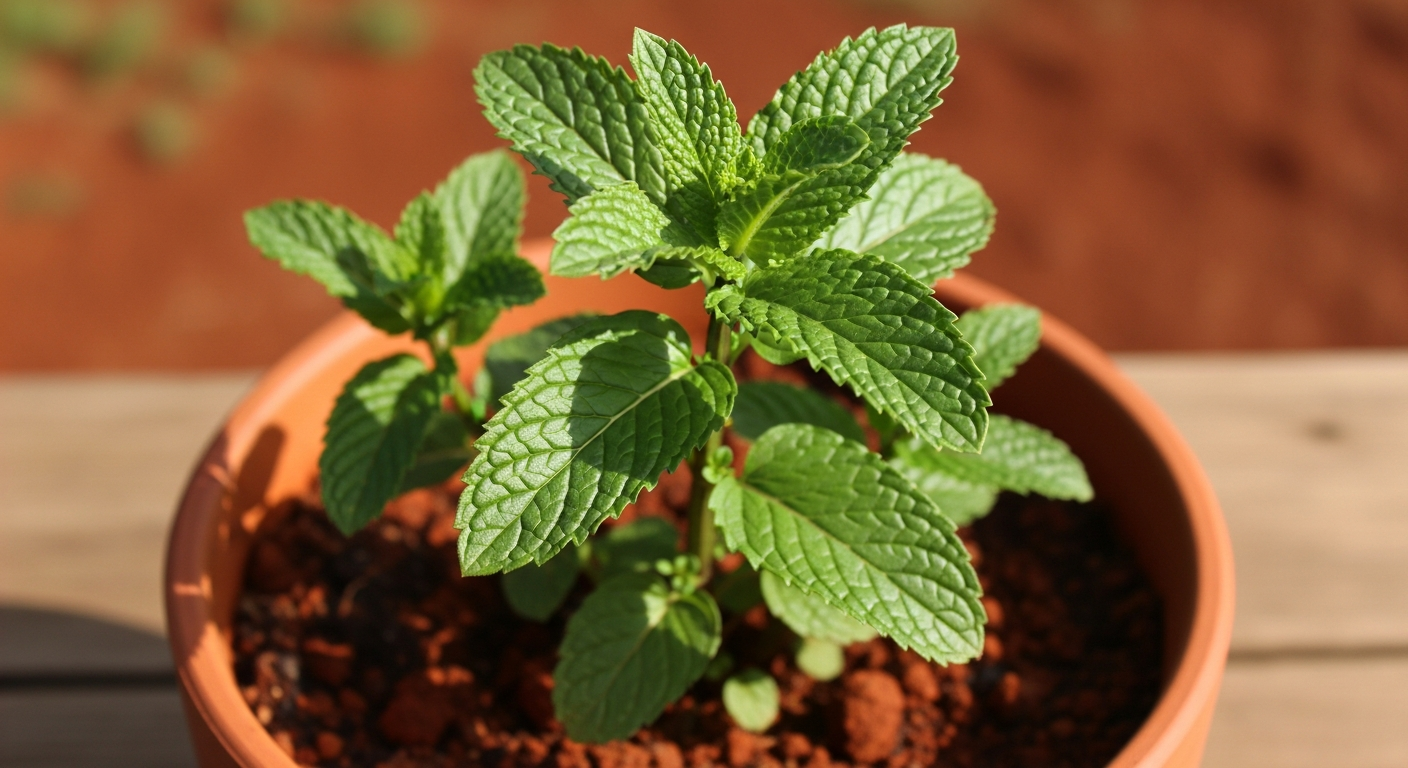
Every garden needs a patch of mint, but be warned—this one likes to travel! It’s best to give it a container or a dedicated bed where it can’t take over the whole garden.
- Traditional Uses: Peppermint is the go-to herb for digestive troubles. It can ease indigestion, gas, and nausea. The menthol in it also makes it great for clearing up congestion when inhaled as a steam, and a poultice of the leaves can soothe headaches and muscle aches.
- Growing Guide: This is one of the easiest herbs to grow. It thrives in rich, moist soil and prefers partial shade, though it will tolerate full sun if kept well-watered. The best way to plant it is from a cutting or a small plant from a nursery, as its seeds can be unreliable. Remember to contain it!
- Harvesting & Preparation: You can start snipping leaves as soon as the plant is about 6 inches tall. For a big harvest to dry for winter, wait until just before it flowers, then cut the stems down to about an inch from the ground. Hang the stems in bundles to dry, then strip the leaves and store them in a jar.
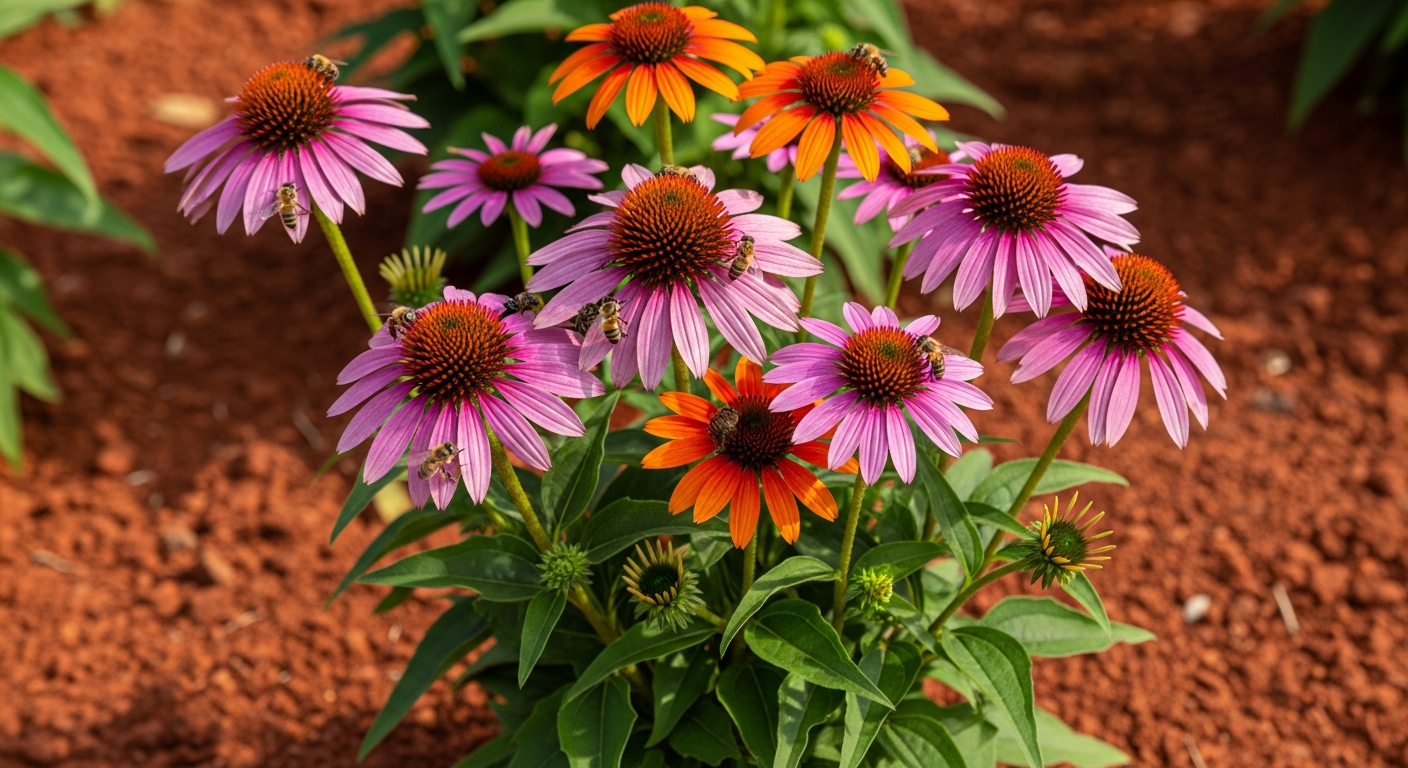
3. Echinacea (Echinacea purpurea)
Also known as Purple Coneflower, this beautiful plant is as powerful as it is pretty. It’s a staple for supporting the body’s natural defenses, especially when cold and flu season rolls around.
- Traditional Uses: Echinacea is best known for boosting the immune system. Many folks start taking it at the first sign of a cold to help shorten its duration. It also has anti-inflammatory properties and has been used topically for wounds and skin infections.
- Growing Guide: This prairie native loves full sun and can handle poor, dry soil like a champ. It’s a hardy perennial that will come back year after year. It’s best to start from plants, as seeds can take a couple of years to produce flowers. Give them plenty of space, as they’ll grow into a lovely clump.
- Harvesting & Preparation: All parts of the plant—flowers, leaves, and roots—can be used. Harvest the flowers and leaves in the summer when the plant is in full bloom. The roots are most potent after the plant has been established for 2-3 years and should be dug up in the fall. The roots can be chopped and dried to make a powerful tea or tincture.
4. Lavender (Lavandula angustifolia)
The scent of lavender alone is enough to melt your worries away. It’s a beautiful, fragrant, and incredibly versatile herb that belongs in every garden.
- Traditional Uses: Lavender is the queen of calm. It’s used to relieve stress, anxiety, and insomnia. A little sachet of dried lavender in your pillowcase works wonders. Its oil has antiseptic and anti-inflammatory properties, making it useful for minor burns, bug bites, and skin irritations.
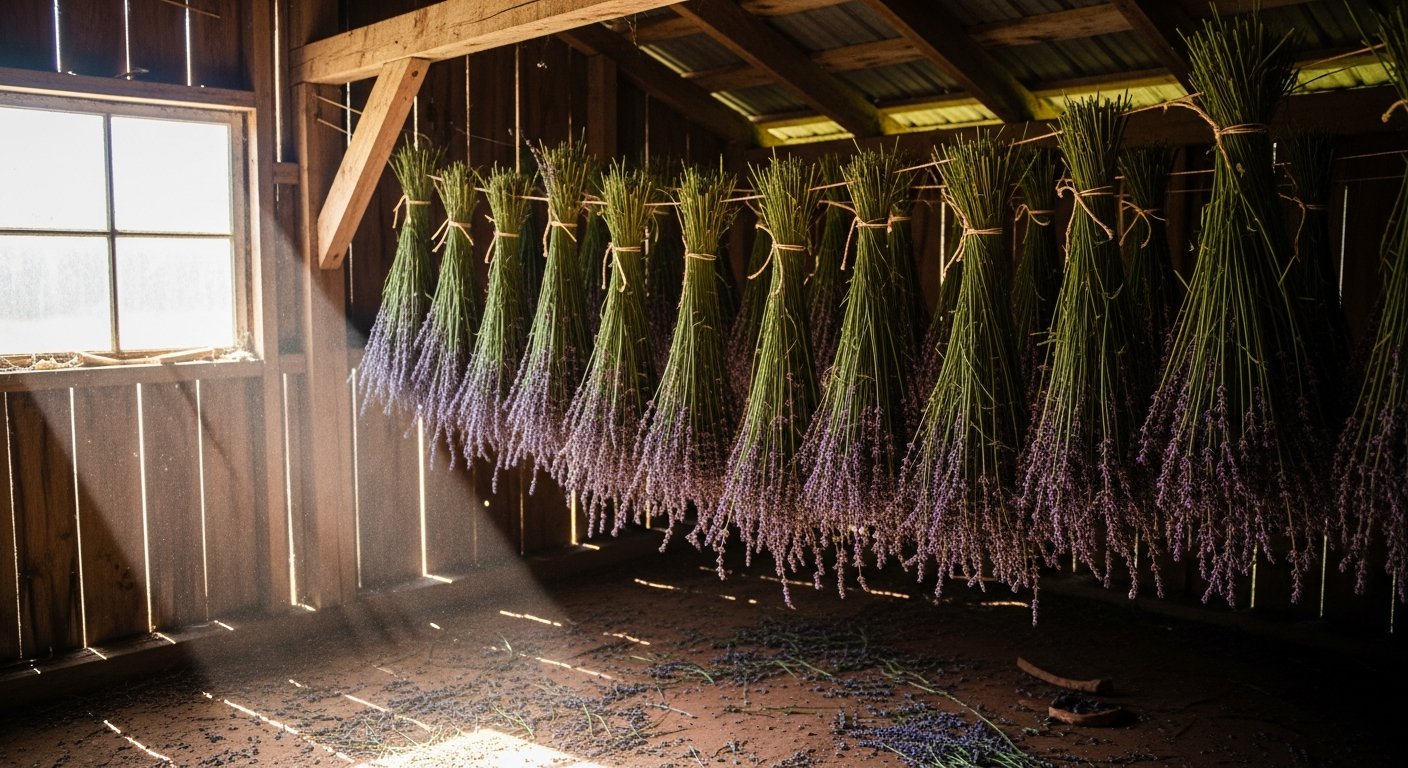
- Growing Guide: Lavender demands two things: full sun and well-drained, slightly alkaline soil. It absolutely hates having wet feet, so if you have heavy clay soil, consider growing it in a raised bed or a pot with plenty of sand or gravel mixed in.
- Harvesting & Preparation: Harvest the flower spikes just as the buds are beginning to open. Cut the long stems and tie them into small bundles. Hang them upside down in a dark, well-ventilated area to dry. Once dried, you can strip the buds from the stems to use in teas, sachets, or infused oils.
5. Calendula (Calendula officinalis)
Known as “pot marigold,” this cheerful flower is sunshine in plant form. It’s one of the best herbs for all things skin-related.
- Traditional Uses: Calendula is a premier wound-healer. It’s used in salves, creams, and washes to soothe cuts, scrapes, burns, rashes, and insect bites. Its anti-inflammatory and antimicrobial properties help skin heal quickly and cleanly.
- Growing Guide: Calendula is an easy-to-grow annual that will often self-seed for the next year. It loves full sun and will tolerate most soil types. Just sprinkle the seeds in the spring and watch them go. The more you pick the flowers, the more it will bloom!
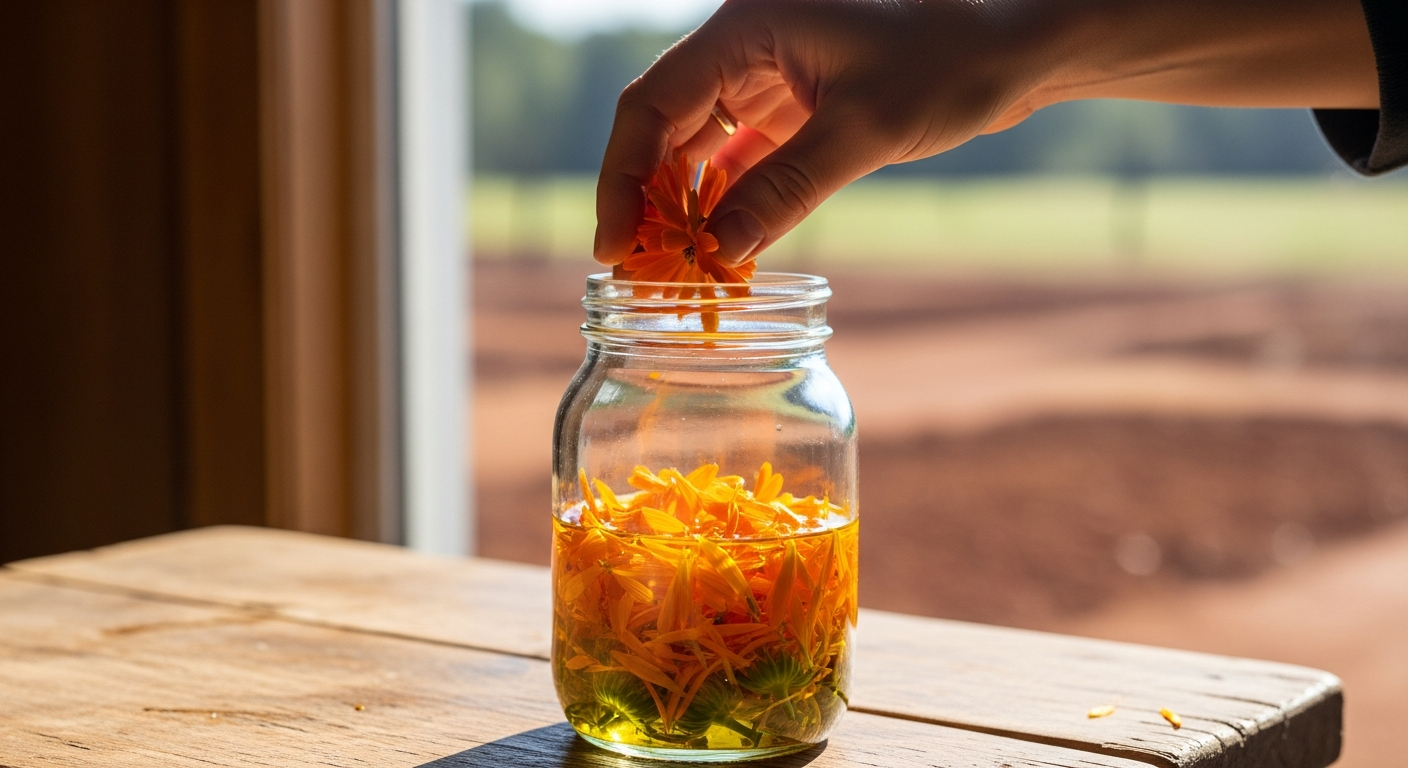
- Harvesting & Preparation: Pluck the entire flower heads every few days throughout the summer. The petals are the most potent part. Dry them on a screen away from direct sunlight. Once dry, they are perfect for infusing in oil (like olive or almond oil) to make healing salves and lotions.
6. Ginger (Zingiber officinale)
While you might think of this as a tropical plant, you can absolutely grow ginger at home, even in a pot! There’s nothing like the taste of fresh, homegrown ginger root.
- Traditional Uses: Ginger is a powerhouse for the digestive system, famous for relieving nausea of all kinds—from motion sickness to morning sickness. It’s also a warming anti-inflammatory, wonderful for circulation, muscle soreness, and fighting off the chills of a cold.
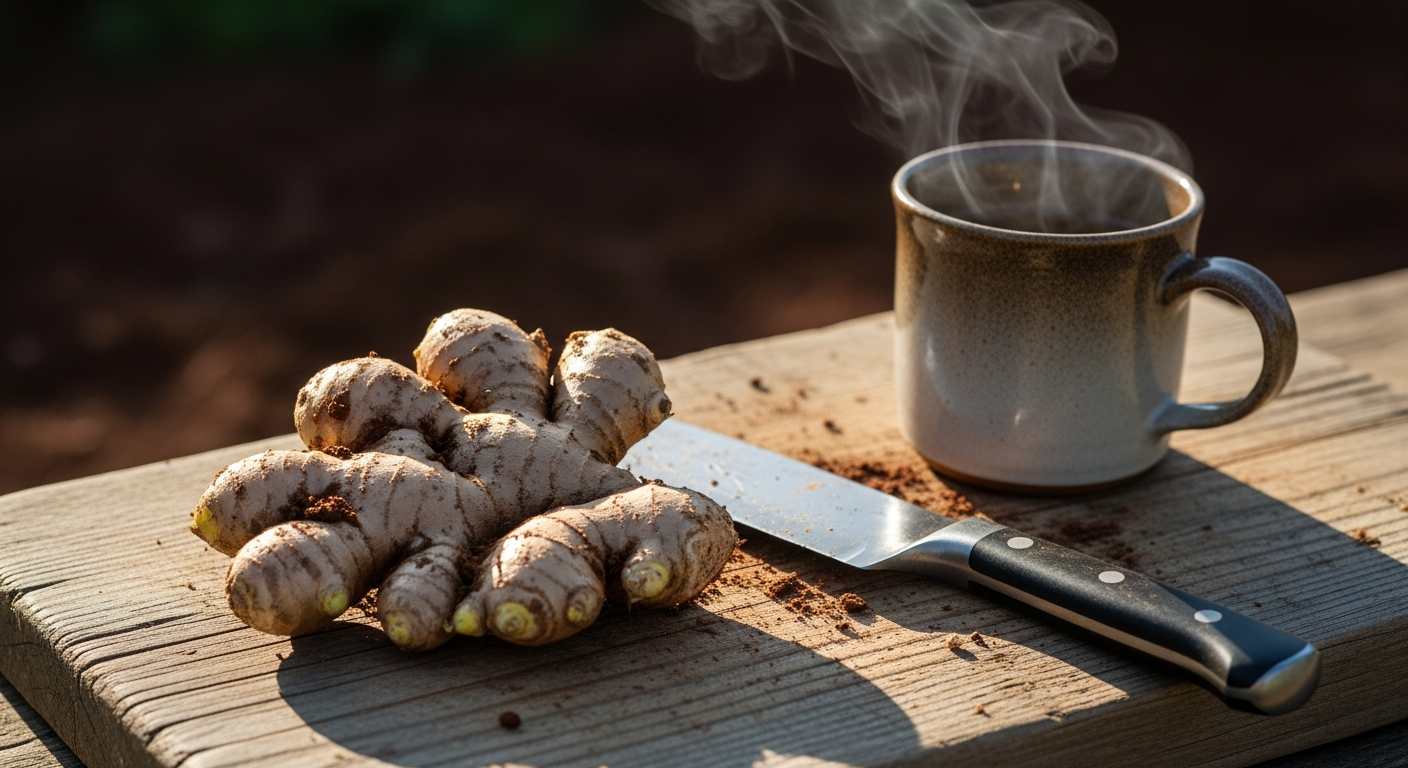
- Growing Guide: Ginger grows from a rhizome. You can start with a piece of organic ginger from the store. Look for a piece with a few bumpy “eyes” or buds. Plant it in a wide, shallow pot with rich, well-draining soil. It likes warm, humid conditions and filtered sunlight, not direct sun.
- Harvesting & Preparation: It takes about 8-10 months for the plant to mature. You can harvest small pieces as needed after about 4 months, or wait until the fall when the leaves start to yellow and die back to harvest the whole rhizome. Use it fresh in teas and cooking, or you can slice and dry it for later use.
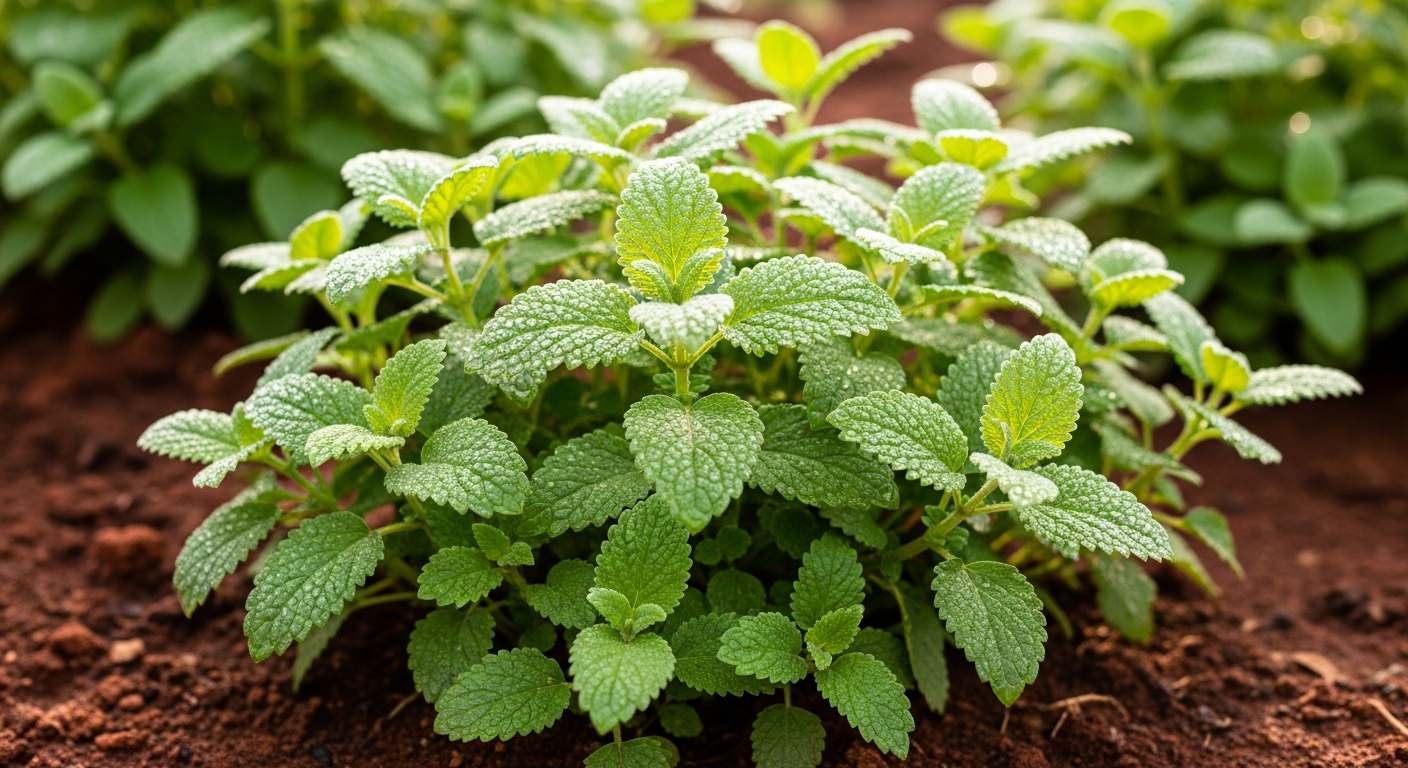
7. Lemon Balm (Melissa officinalis)
A member of the mint family, Lemon Balm has that same vigorous growth habit, so plant it where you don’t mind it spreading. Its bright, citrusy scent is a pure delight in the garden.
- Traditional Uses: Like its cousin mint, it’s good for digestion, but Lemon Balm truly shines as a nervine—an herb that calms the nervous system. It’s wonderful for lifting the spirits, easing anxiety, and promoting restful sleep. It also has antiviral properties and is a traditional remedy for cold sores.
- Growing Guide: It’s incredibly easy to grow. It prefers partial shade but will do fine in sun, and it’s not picky about soil. It’s best to start from a small plant or a cutting. It will spread, so consider a container.
- Harvesting & Preparation: Harvest the leaves before the plant flowers for the best flavor and potency. You can snip leaves as needed for fresh tea. For drying, cut the stems, bundle them, and hang them. The dried leaves make a lovely, calming tea.
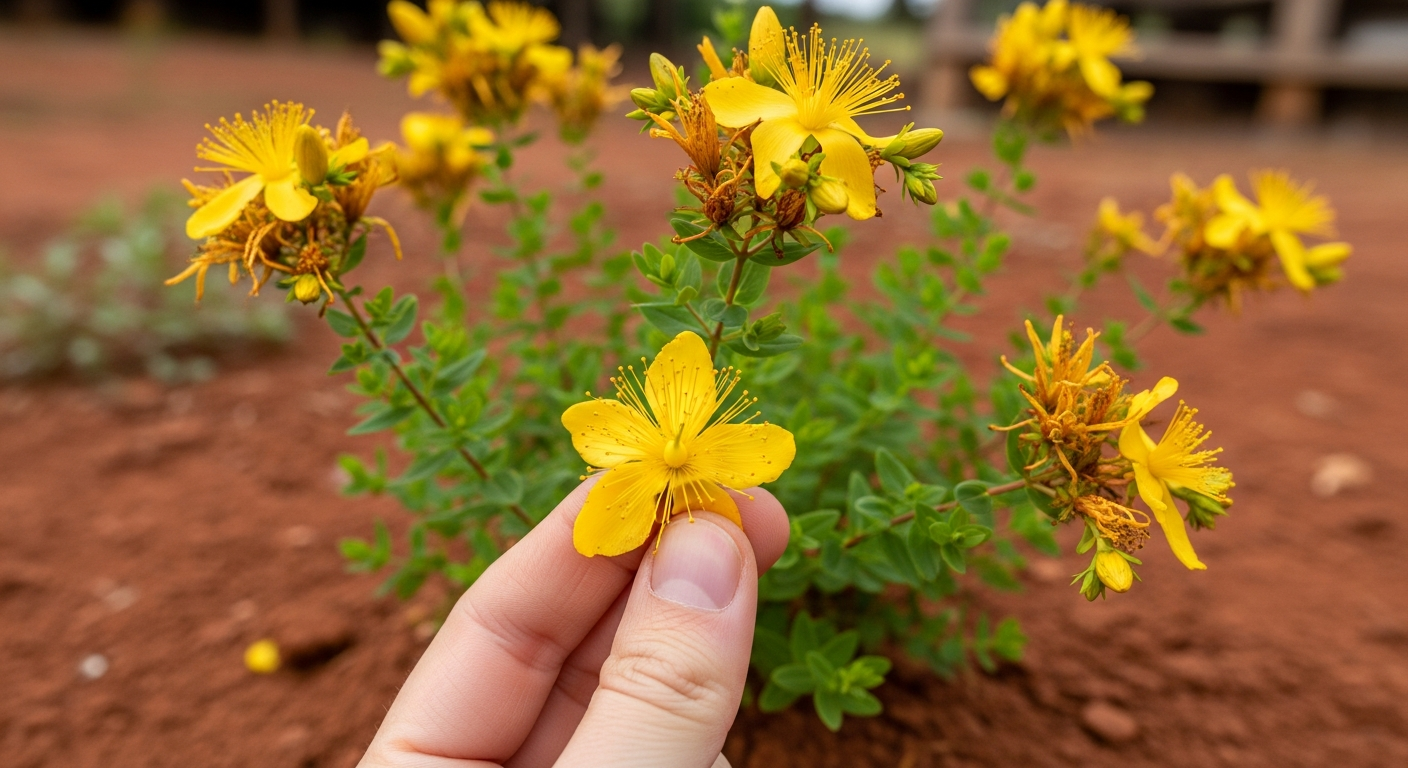
8. St. John’s Wort (Hypericum perforatum)
This plant, with its sunny yellow flowers, has a long history of use for emotional well-being. It’s a more serious herb, and one you should research well before using.
- Traditional Uses: It is most famously used to help with mild to moderate depression and anxiety. It’s thought to work by helping to regulate mood-related neurotransmitters in the brain. Topically, its infused oil is fantastic for nerve pain, burns, and wounds.
- Growing Guide: This hardy perennial loves sun and well-drained soil. It’s often found growing wild in fields and meadows. It can be started from seed or division. Once established, it needs very little care.
- Harvesting & Preparation: Harvest the top third of the plant when it’s in full bloom, usually around the summer solstice. The flowers and leaves can be dried for tea or, more traditionally, infused fresh in oil. When you infuse the fresh flowers in oil and set it in the sun, the oil turns a beautiful deep red.
- A Word of Caution: St. John’s Wort can interact with many prescription medications, including antidepressants and birth control pills. Please consult with a doctor or qualified herbalist before using it internally.
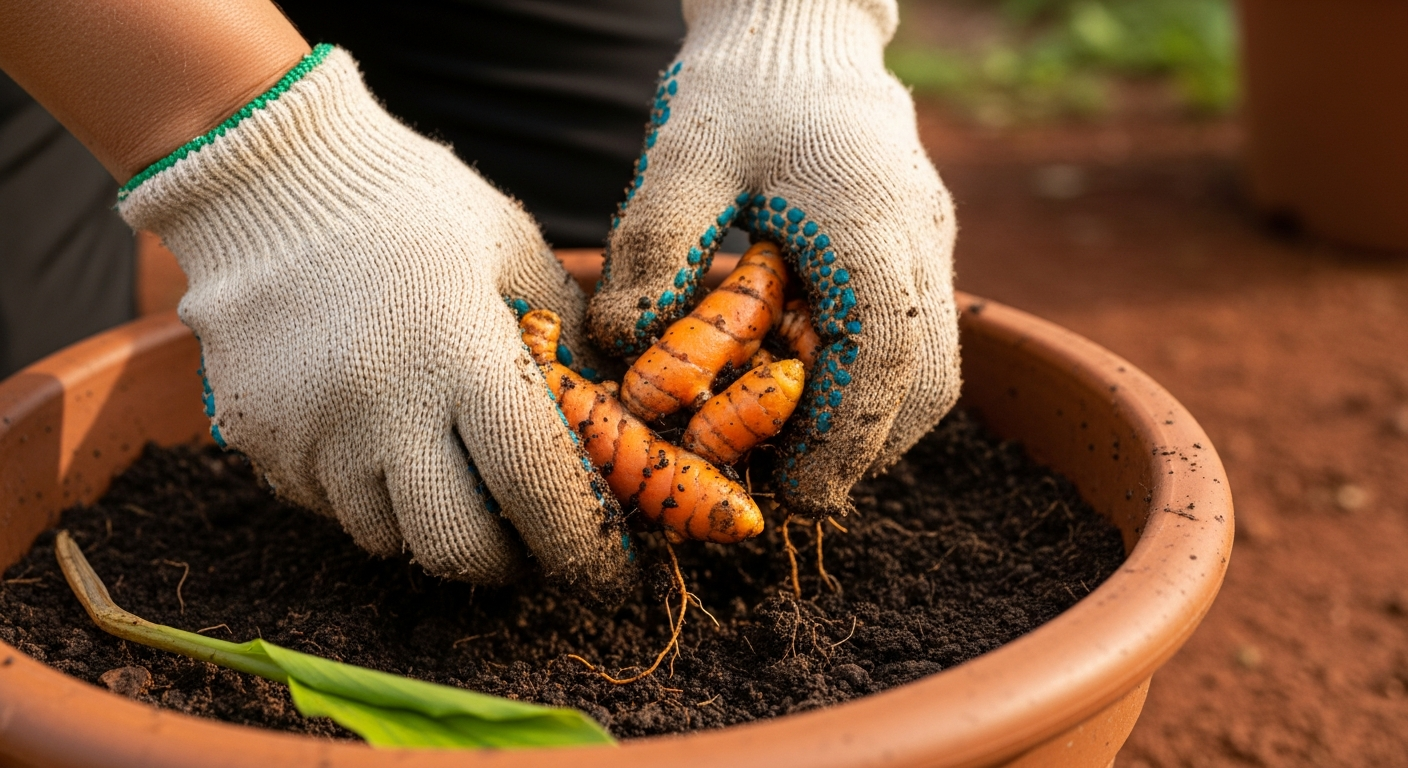
9. Turmeric (Curcuma longa)
A close relative of ginger, this golden root is one of the most powerful anti-inflammatory herbs you can grow. It’s another tropical plant that does surprisingly well in a pot indoors or on a patio.
- Traditional Uses: The active compound, curcumin, is a potent anti-inflammatory. Turmeric is used traditionally to ease the pain and swelling of arthritis, support liver health, and aid digestion.
- Growing Guide: Just like ginger, you can start with an organic turmeric rhizome from the store. Plant it in a large pot with rich, well-draining soil. It needs warm temperatures and consistent moisture, along with filtered sunlight.
- Harvesting & Preparation: It will take 8-10 months to mature. Harvest the rhizomes in the fall when the plant’s leaves and stem begin to dry out. You can use the fresh root, or you can boil, dry, and grind it into the familiar golden powder.
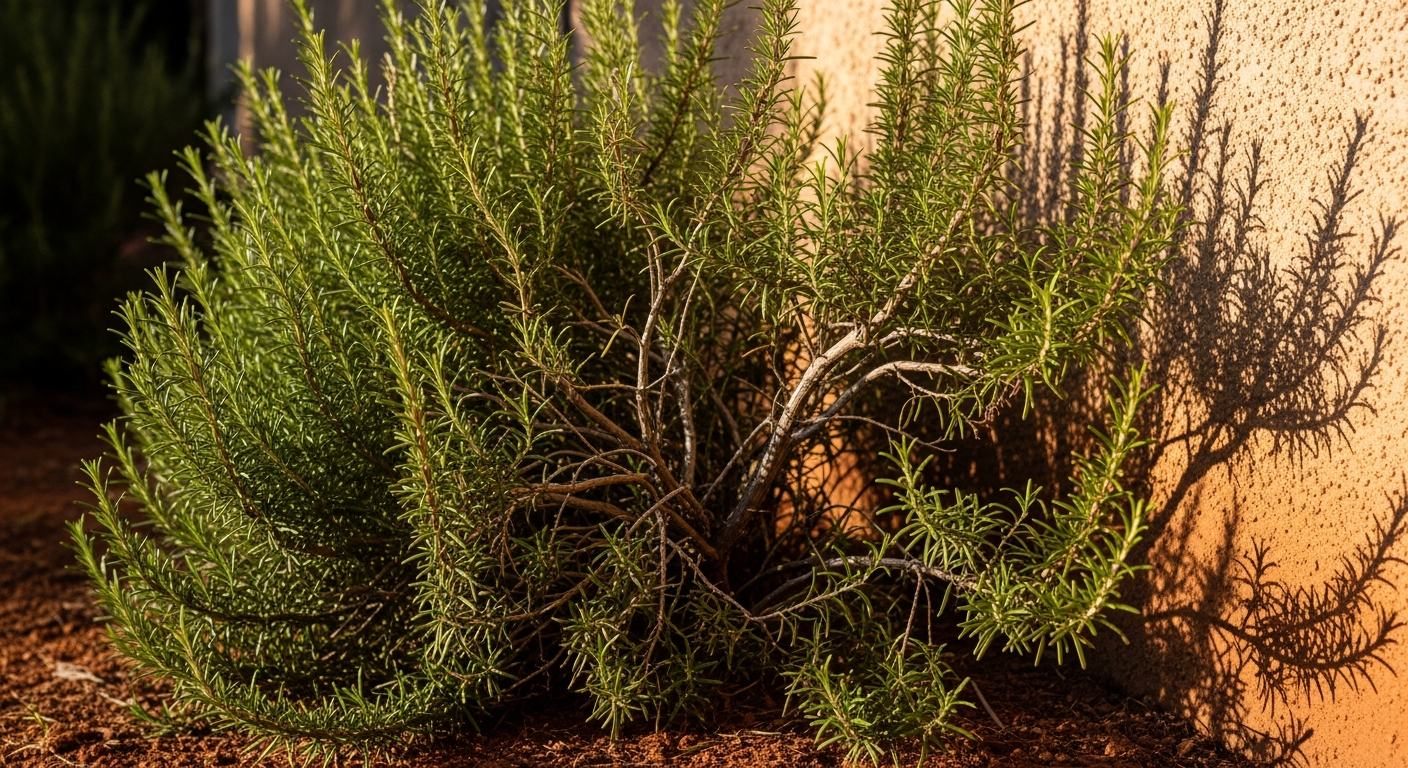
10. Rosemary (Rosmarinus officinalis)
This fragrant evergreen shrub is more than just a culinary delight. Its invigorating scent is a clue to its powerful properties for memory and circulation.
- Traditional Uses: Rosemary is known as the “herb of remembrance.” It’s used to improve concentration, memory, and mood. It’s also a circulatory stimulant, making it useful for cold hands and feet and for easing muscle pain.
- Growing Guide: Rosemary needs full sun and sandy, well-drained soil. It’s drought-tolerant once established and hates to be overwatered. In colder climates (Zone 7 and below), it’s best grown in a pot that can be brought indoors for the winter.
- Harvesting & Preparation: You can snip sprigs of rosemary any time of year. For a larger harvest, shear the plant back in the spring or summer. The sprigs can be used fresh or hung to dry. The dried leaves are wonderful in teas, infused oils, or even a stimulating hair rinse.
Conclusion
Y’all, your garden is more than just a patch of land; it’s a place of healing, connection, and deep satisfaction. Starting with even one or two of these herbs is a step toward a more resilient and empowered life. Don’t be afraid to get your hands dirty, to watch and to learn from the plants themselves. They have so much wisdom to share. Tending to a medicinal garden is a beautiful way to care for yourself and your family, rooted in the traditions that have sustained us for generations.
Frequently Asked Questions (FAQ)
- 1. What’s the easiest medicinal herb for a complete beginner to grow?
- Peppermint or Lemon Balm are incredibly forgiving. Just be sure to plant them in a container, as they spread aggressively. For a plant that stays put, Calendula is a wonderful choice—it’s easy to grow from seed and rewards you with constant blooms.
- 2. Can I grow these herbs in pots on a balcony?
- Absolutely! Most of these herbs do very well in containers. Lavender, Rosemary, Peppermint, Ginger, and Turmeric are excellent choices for pot culture. Just make sure your pots have good drainage and you’re using a quality potting mix.
- 3. How do I dry my herbs without them getting moldy?
- The key is good air circulation and low humidity. Bundle herbs with sturdy stems (like lavender or mint) and hang them. For delicate flowers or leaves (like chamomile or calendula), spread them in a single layer on a screen or a clean dish towel. Keep them out of direct sunlight in a warm, dry room.
- 4. Is it safe to use homegrown medicinal herbs?
- For common ailments and general wellness, using gentle herbs like chamomile, peppermint, and calendula is generally very safe. However, some herbs, like St. John’s Wort, can be very potent and interact with medications. Always identify your plants 100% correctly and consult with a healthcare professional or a qualified herbalist before using herbs to treat a serious condition or if you are pregnant, nursing, or on medication.
- 5. What’s the difference between a tea and a tincture?
- A tea (or infusion) is a water-based preparation, made by steeping herbs in hot water. It’s gentle and great for daily use. A tincture is an alcohol-based extract, which is much more concentrated and has a longer shelf life. Tinctures pull out different chemical compounds than water does and are taken in small drop doses.
- 6. Do I need to fertilize my herb garden?
- Most medicinal herbs prefer lean soil and do not need much fertilizer. In fact, over-fertilizing can make them grow lots of leaves with less concentrated essential oils, making them less potent. A top-dressing of compost once a year is usually all they need.
- 7. How do I deal with pests on my medicinal herbs naturally?
- Healthy plants are the best defense! Ensure good air circulation and proper watering. Many pests can be knocked off with a strong spray of water from the hose. For more persistent pests, a simple insecticidal soap spray (made from a gentle soap like Dr. Bronner’s and water) is often effective and safe.
- 8. When is the best time of year to start an herb garden?
- Spring is the ideal time, right after your last frost date. This gives the plants the entire growing season to get established. You can also start many herbs from seed indoors 6-8 weeks before your last frost to get a head start.