
5 Essential Tips for Winter Solar Panel Maintenance in Georgia
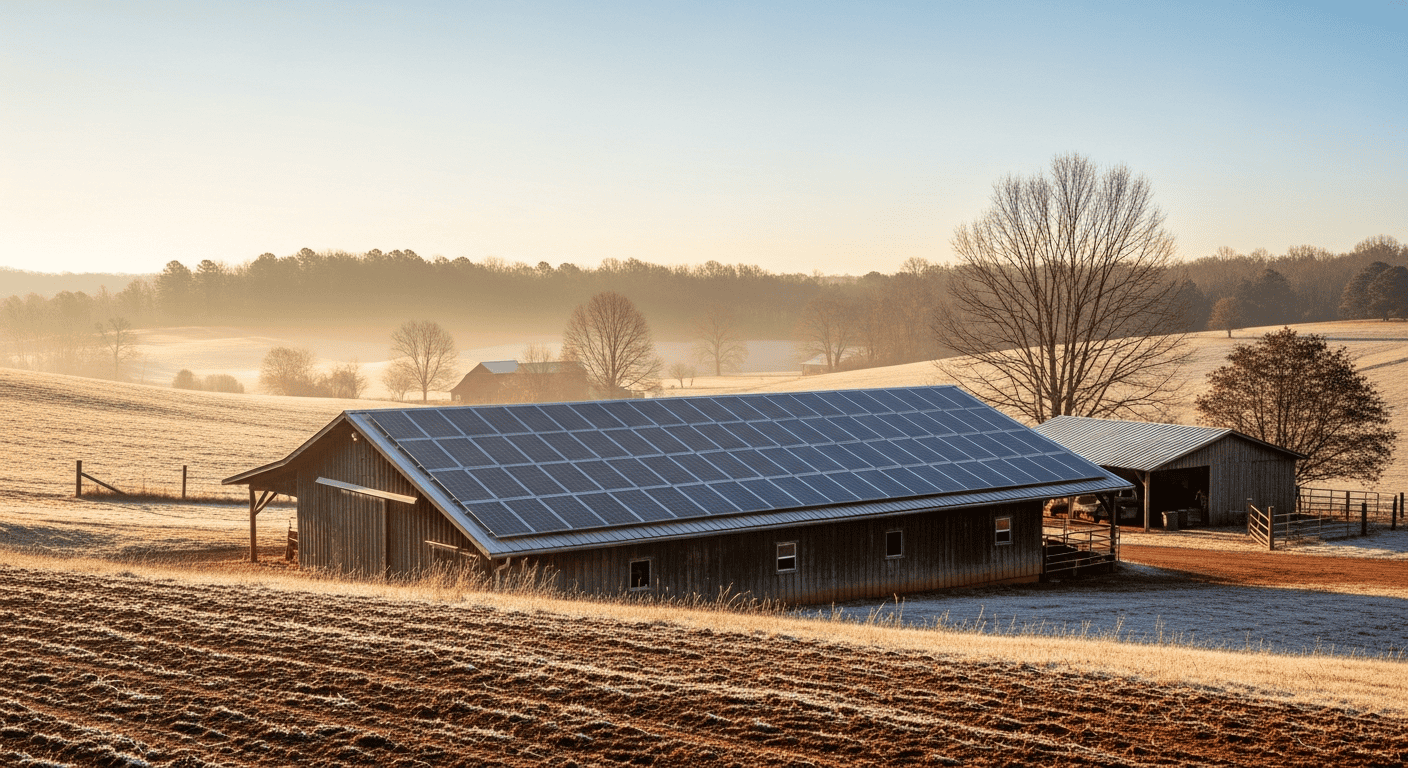
As the days grow short and the sun hangs low in the southern sky, our connection to its power becomes even more precious. For the resilient homesteader in Georgia, solar panels are more than just technology; they are a key part of an integrated system, capturing the light that fuels our lives. This guide focuses on the essentials of winter solar panel maintenance. It’s about how to gently and effectively care for your solar array through the Southeast’s unique winter of wet snow, ice, and clay dust, ensuring your homestead’s heart beats strong until the spring sun returns. Whether you’re considering building your own DIY solar system or already have one, these tips are crucial.
Key Takeaways
- Maximize Every Photon: Winter’s primary challenge is reduced sunlight. Proactive cleaning of Georgia’s clay dust and gentle removal of snow are the most critical actions you can take to maximize your energy harvest.
- A Gentle Hand Prevents Harm: Your solar panels are a long-term investment. Always use soft tools for snow and grime, and never use hot water, ice scrapers, or harsh chemicals, which can cause permanent, costly damage.
- Resilience Through Inspection: Before the first winter storm, perform a thorough system check. Securing mounts and protecting wiring will prevent failures when you need power the most.
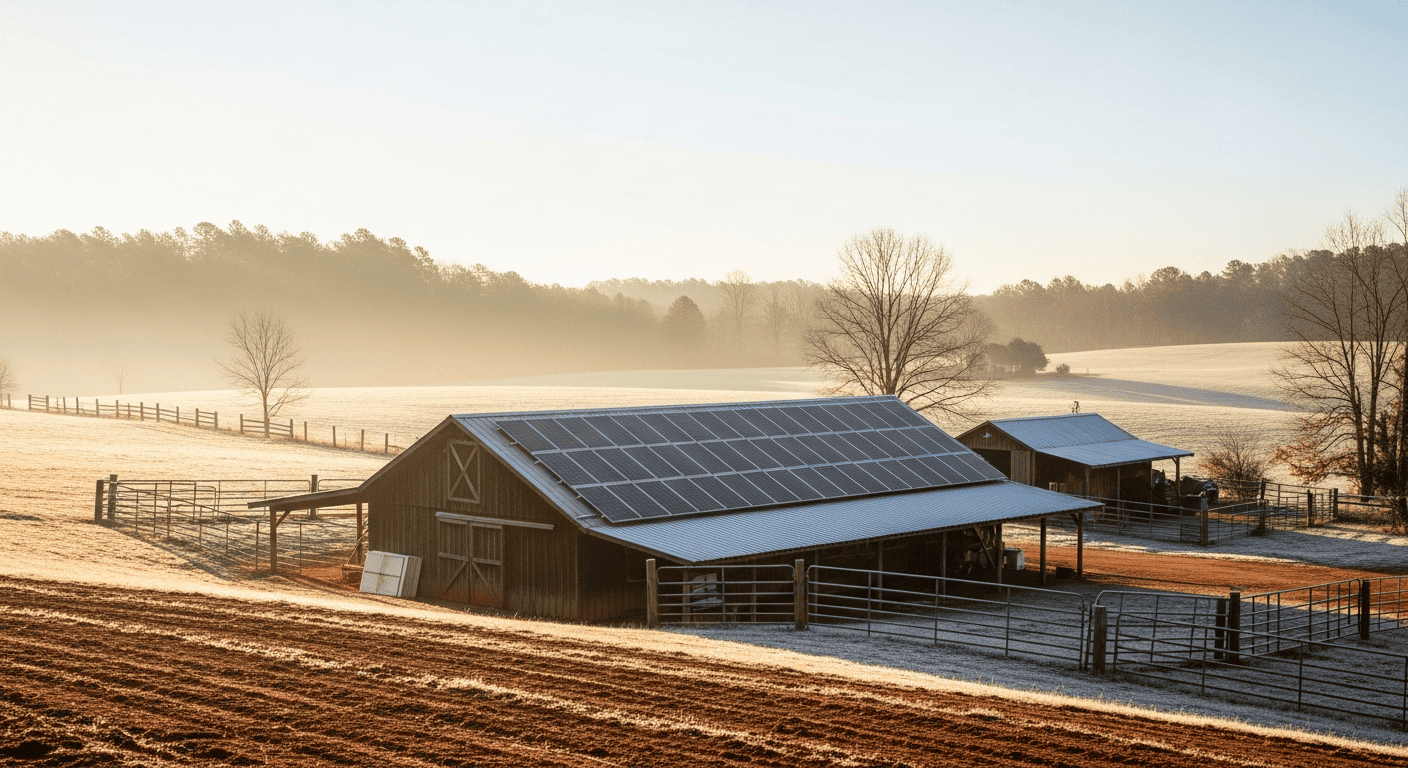
Understanding Winter’s Challenge: The Angle of the Sun
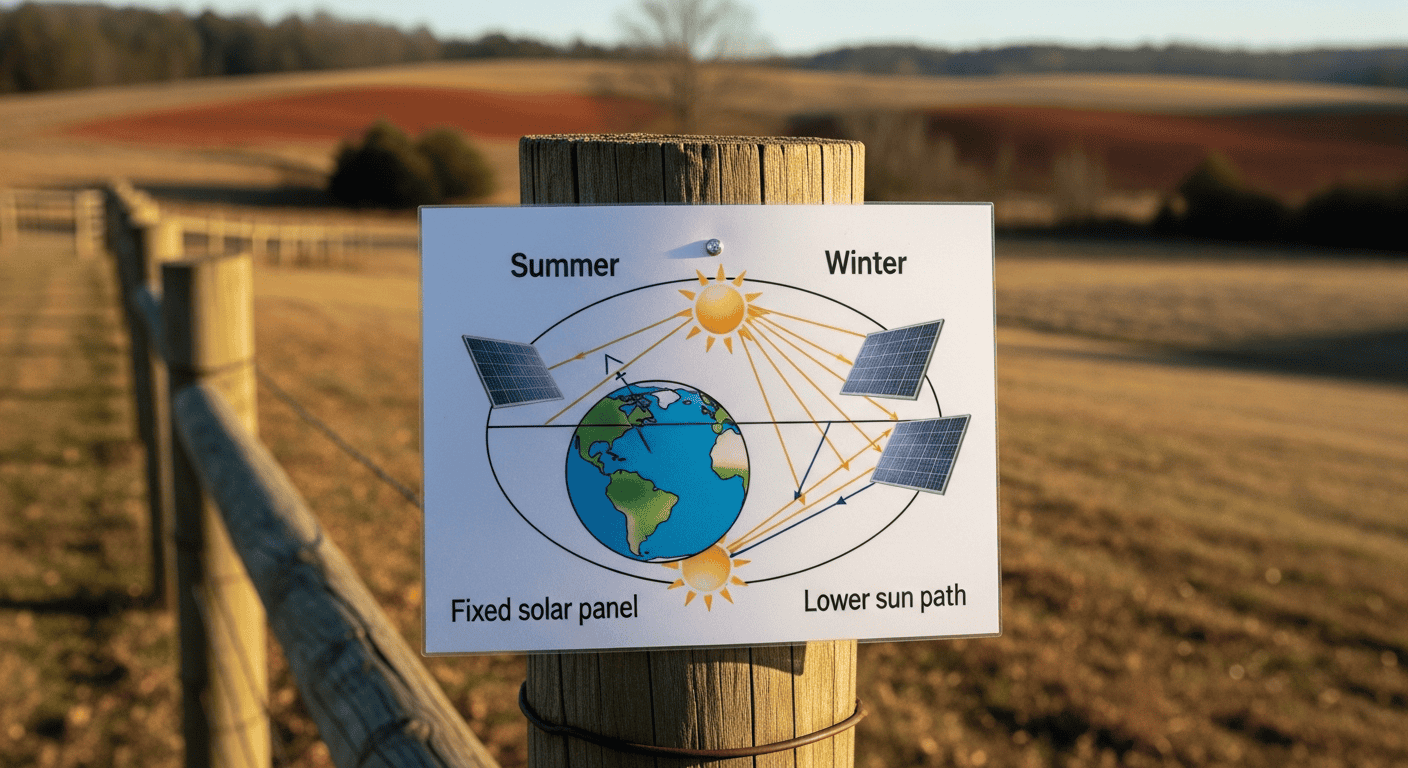
The first step in working with a system is to observe and understand it. Why does our solar production dip in the winter? It’s a simple, beautiful, astronomical truth.
- The Sun’s Low Path (Azimuth): During the winter, the sun travels a lower, shorter arc across the sky. This low angle means the sunlight strikes your panels more obliquely, reducing the intensity of the light captured.
- Shorter Days: The period between sunrise and sunset is at its minimum around the winter solstice (December 21st). Fewer daylight hours simply means less time to generate power.
- Increased Cloud Cover: Winter in the Southeast often brings more overcast days, further scattering and blocking the sun’s rays.
Our goal is not to fight this natural cycle, but to ensure that every single photon that reaches our property has the best possible chance of being converted into energy.
The 5 Essentials of Winter Solar Panel Maintenance
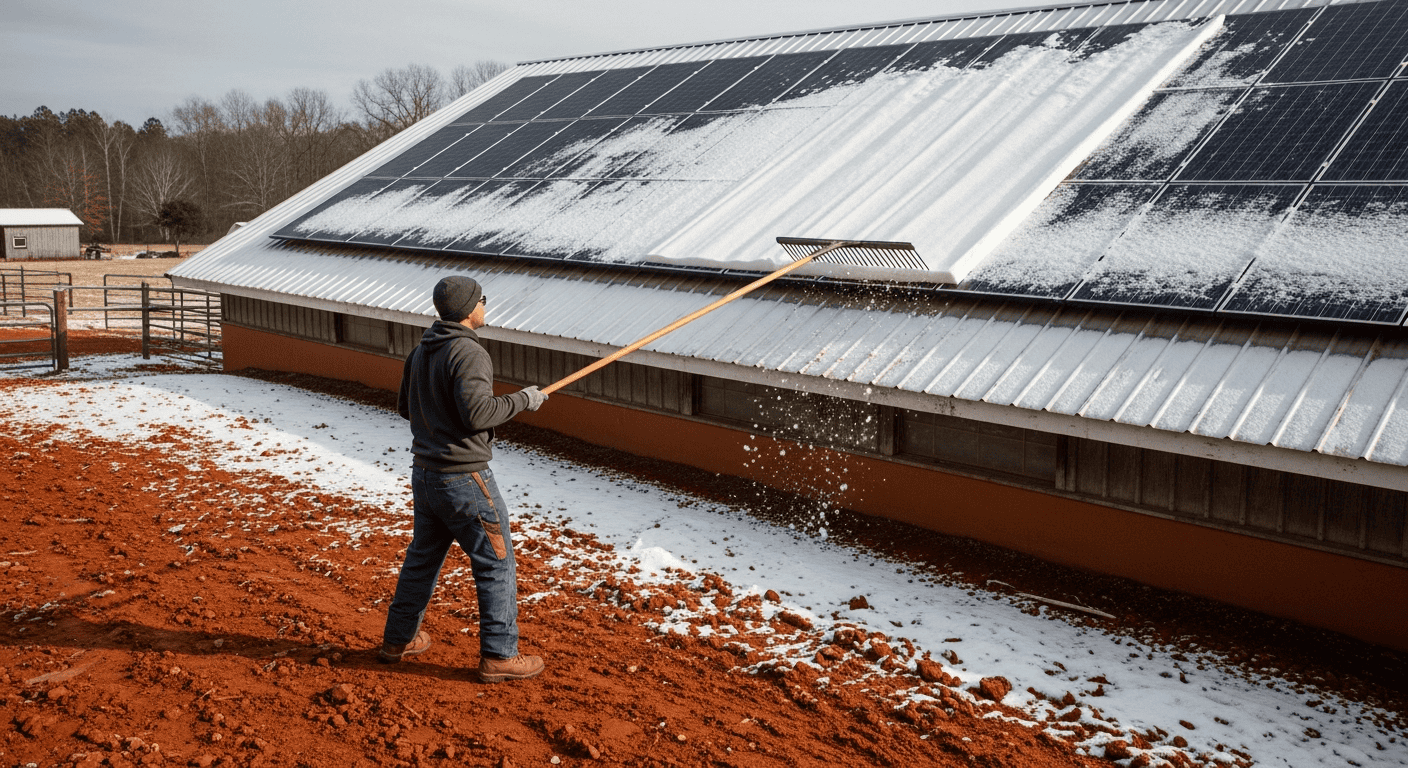
1. The Gentle Art of Snow Removal
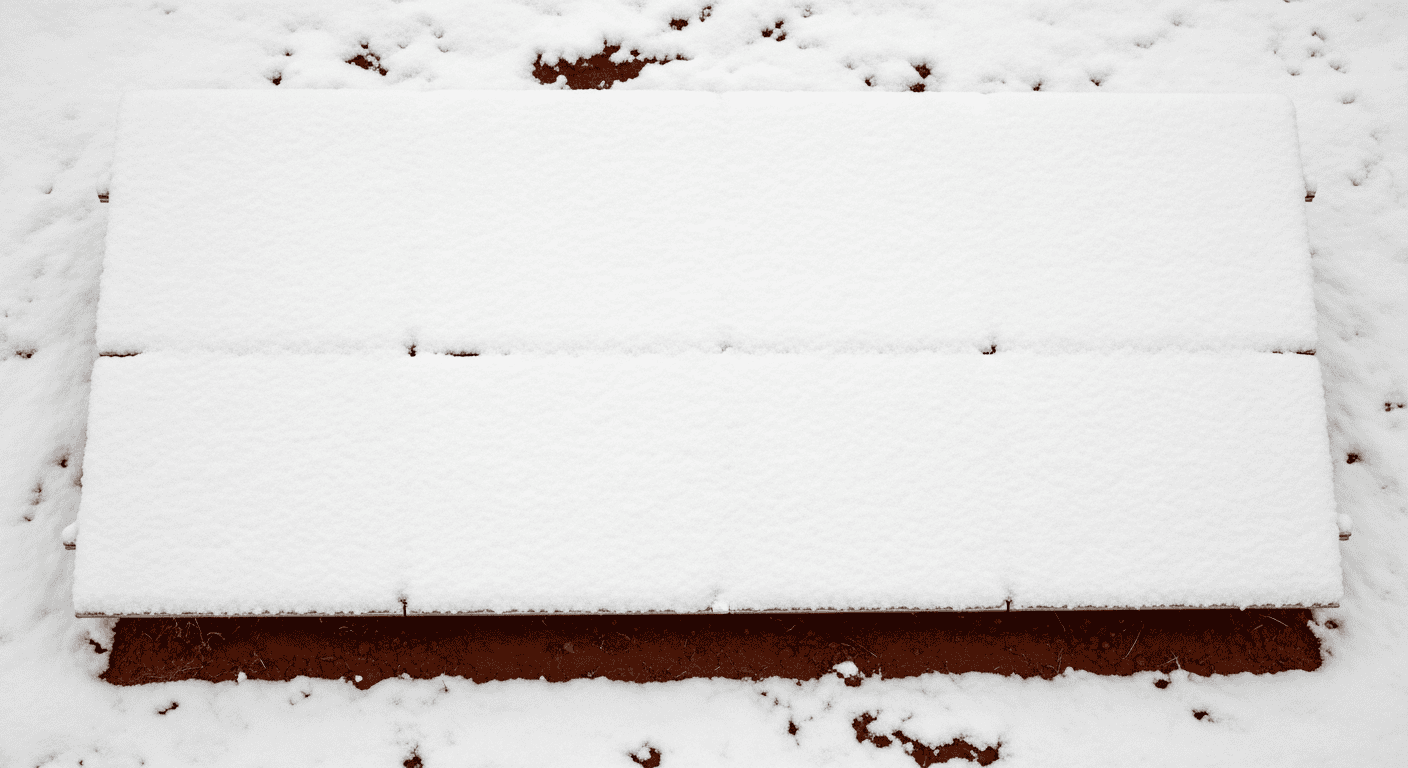
A blanket of snow on a solar panel can halt the flow of energy. Removing it is essential, but how we remove it is critical.
The Right Tools for a Soft Touch
The glass on your panels has a delicate anti-reflective coating. Scratching it permanently impairs its ability to capture light.
- Solar Panel Snow Rake: The ideal tool, with a long pole and a soft rubber or foam head.
- Soft-Bristled Car Brush: A good alternative. Ensure the bristles are soft.
- What to NEVER Use: Avoid metal shovels, roof rakes, stiff brooms, or any abrasive tool.
The Right Technique: Working with Gravity
- Pull, Don’t Push: Always gently pull the snow down and off the array.
- Start Early: Clear the panels in the morning. The dark surface will then absorb sunlight and melt any remaining frost.
- Address the Wet & Heavy: The heavy, wet snow common in a Georgia winter often needs a gentle nudge.
2. Safety First, Always
A homestead is not resilient if its caretaker is injured. Your personal safety is the most important part of this entire system.
- Stay on the Ground: The safest method is to use long-handled tools from the ground. Never get on a snowy or icy roof.
- Secure Your Footing: If you must use a ladder, ensure it is on stable, non-icy ground.
- Reject Thermal Shock: NEVER use hot water to melt snow or ice. The drastic temperature change can cause micro-fractures in the glass, leading to panel failure.
3. Patience with Ice: A Lesson from Nature
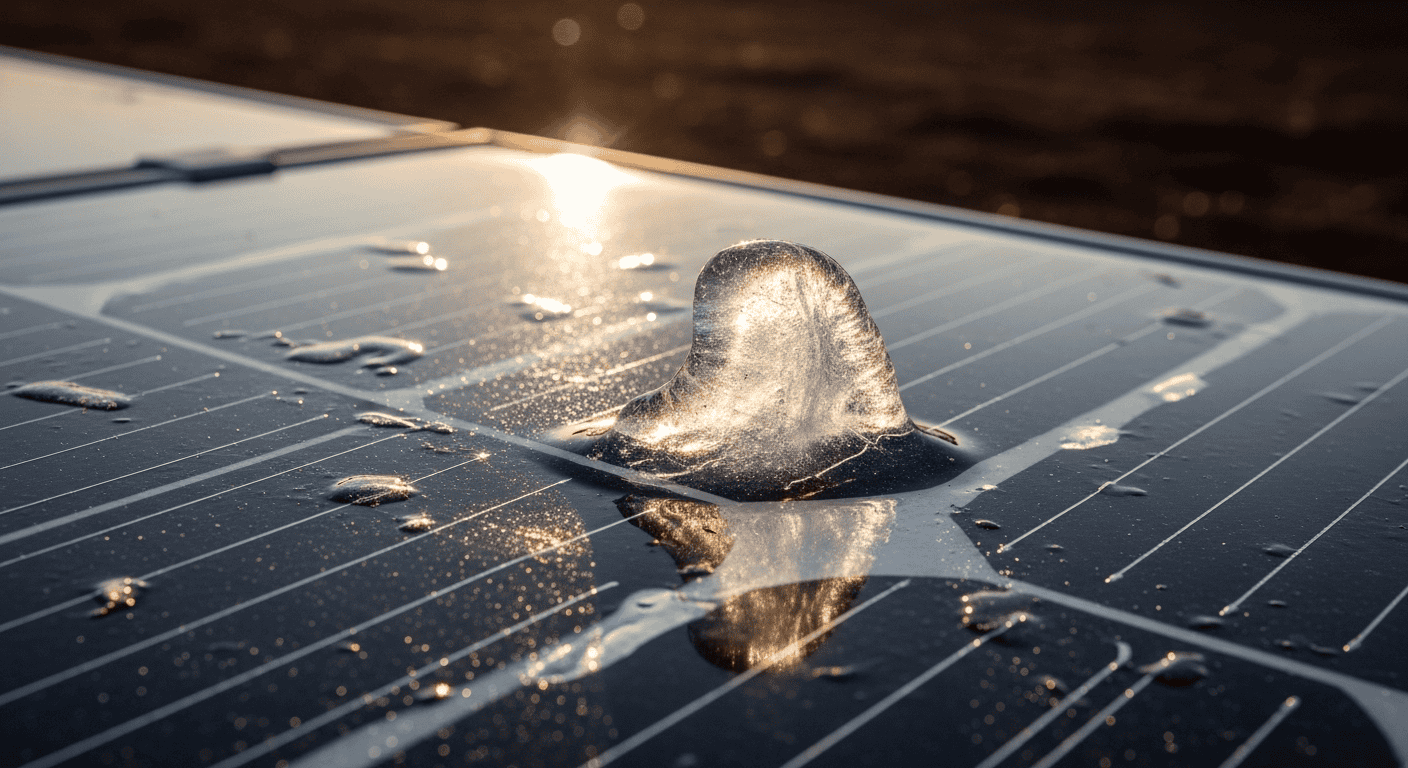
Ice forms a powerful bond with the glass surface. Trying to fight this bond with force is a recipe for disaster. The best and safest tool for removing ice from your solar panels is the sun. The dark surface will absorb solar radiation and slowly melt the ice from the bottom up. In a pinch, a gentle spray of cold or lukewarm tap water can help, but patience is usually the best policy. Avoid all salts and chemical de-icers.
4. Washing Away the Georgia Grime
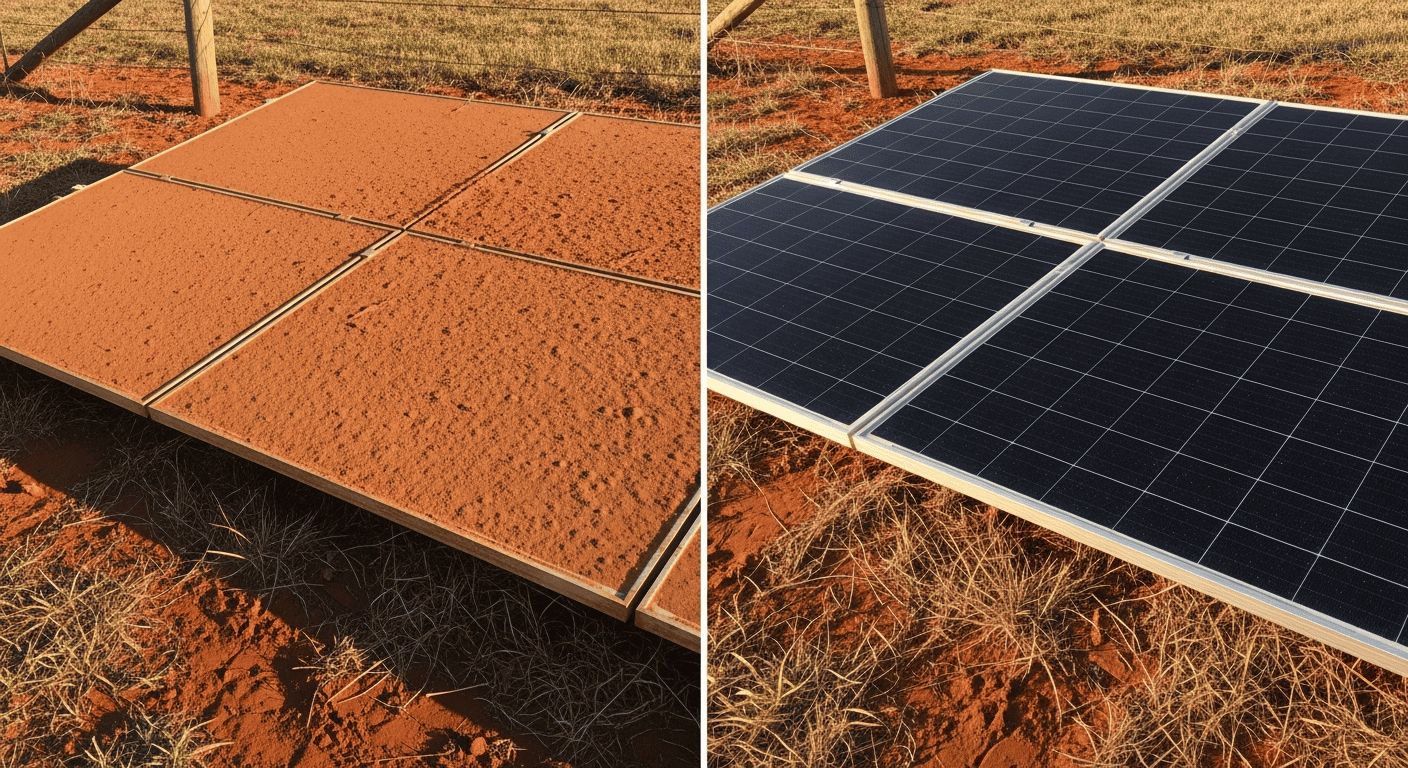
Even in a snowless winter, panels face a persistent threat: dust. In the Southeast, this is often red clay mixed with pollen. The USDA’s Natural Resources Conservation Service notes that this wind-blown soil can significantly reduce a panel’s output.
A Rhythm of Cleaning
- Late Fall Cleaning (Mid-November): Prepares panels to capture the low winter sun.
- Early Spring Cleaning (Early March): Washes away winter’s grime for the high-production seasons.
The Simple Cleaning Method
- Create the Solution: In a bucket, mix water with a few drops of mild, biodegradable dish soap.
- Apply and Scrub Gently: Use a soft cloth or sponge on an extension pole.
- Rinse Thoroughly: Use a hose with a gentle spray nozzle to rinse all soap residue off the panels.
5. The Pre-Winter System Health Check
Before the storms, give your solar system a health check. This ensures it is strong and secure.
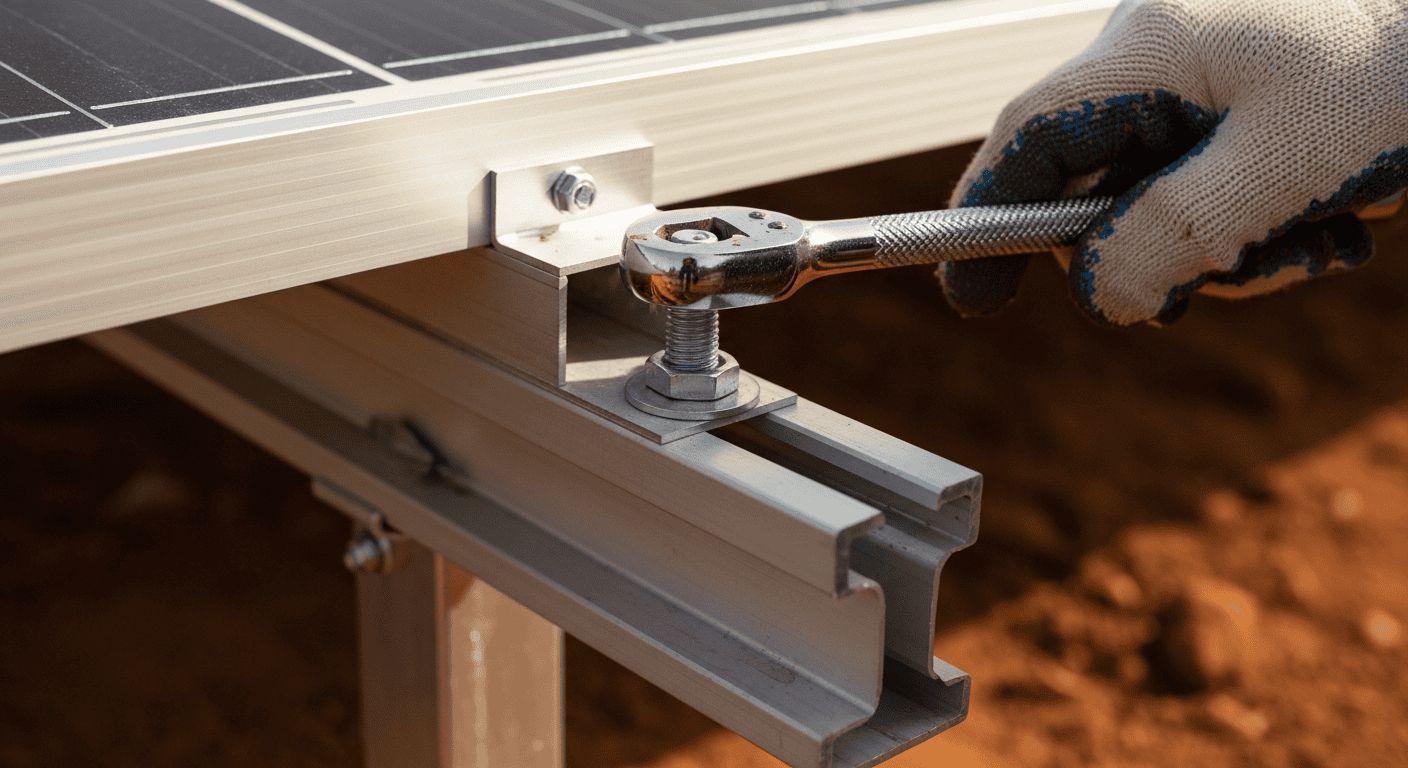
Check the Bones: Racking and Mounts
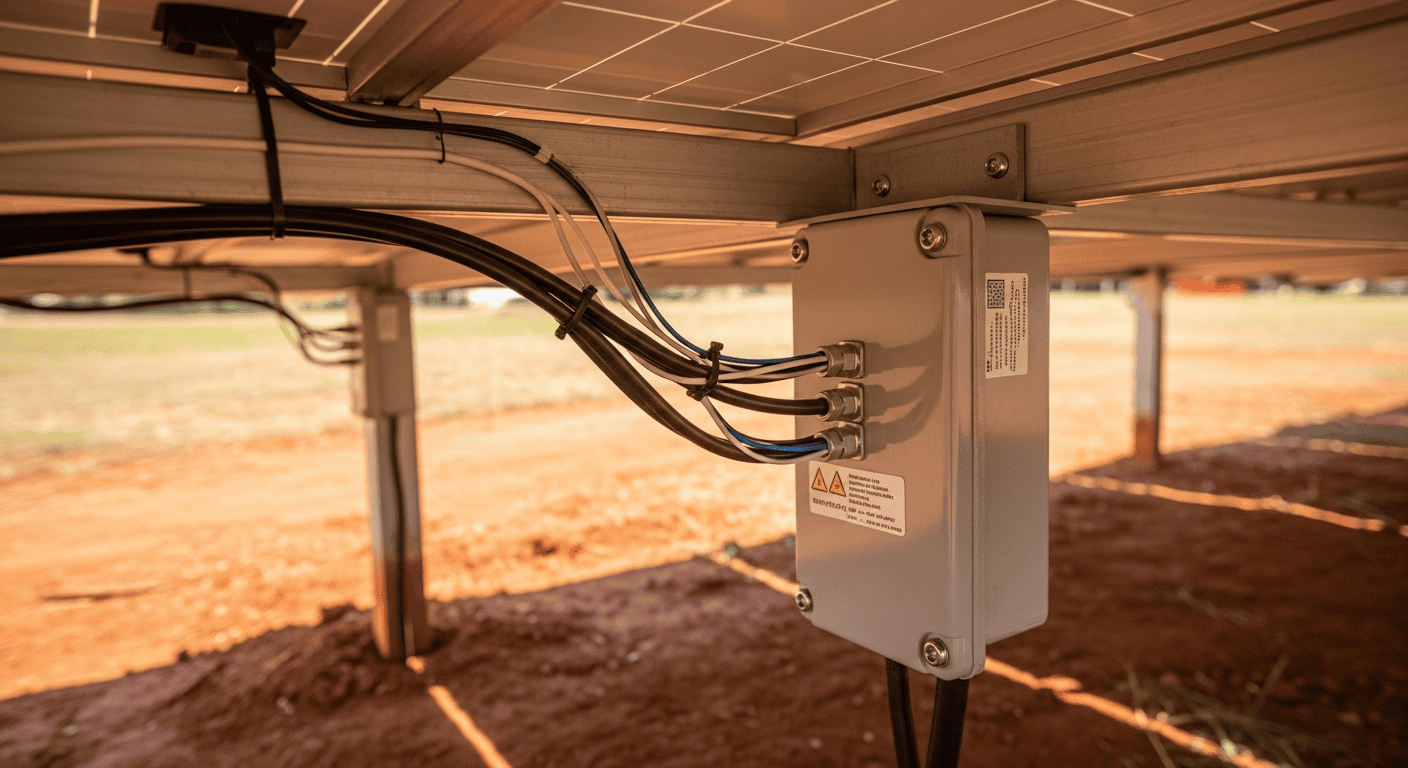
Winter winds and snow put stress on mounting hardware. Go to each accessible mount and physically check that all nuts and bolts are tight.
Check the Veins: Wiring and Connections
Water and pests are the two biggest threats. Rodents seek shelter in winter and are notorious for chewing on wires. Visually inspect all wiring and conduits, ensuring connections are tight and waterproof seals are intact. A truly resilient system is one that’s well-maintained.
Conclusion: An Act of Connection
Caring for your solar panels through a Georgia winter connects you to the cycles of the sun and the flow of energy that sustains your homestead. By choosing gentle tools, patient methods, and proactive observation, you are doing more than just maintaining equipment; you are practicing smart homesteading. This mindful attention ensures that when winter passes, your system remains strong, resilient, and prepared to receive the gift of the sun.
Frequently Asked Questions (FAQ)
1. How much production will I really lose in a Georgia winter?
You can expect a significant drop, often 40-60% of your peak summer production, due to shorter days, lower sun angle, and more cloud cover.
2. Is a special “solar panel snow rake” worth the investment?
If you get snow even once or twice a year, absolutely. The cost of the rake is minimal compared to the cost of a damaged panel or lost energy production.
3. Can I really just use dish soap to clean my panels?
Yes. A small amount of mild, biodegradable dish soap is perfect. Avoid any cleaners with harsh chemicals. Remember to rinse thoroughly.
4. What if I can’t reach my panels safely to clean them?
Hire a professional, insured solar panel cleaning service. Your safety is always the top priority.
5. How do I know if my panels were damaged by a hail or ice storm?
After a storm, perform a visual inspection. Look for cracks, chips, or “shattering” patterns. Also, monitor your system’s output for any sudden, unexplained drops.
6. Does the angle of my panels need to be changed for winter?
If you have an adjustable ground-mounted system, yes. Tilting them to a steeper angle (around 40-45 degrees in Georgia) will significantly improve your winter harvest.
7. Won’t a good Georgia rain clean my panels enough?
No. Rain can wash off light dust, but it isn’t enough to remove the baked-on film of clay, pollen, and pollution, which requires gentle scrubbing.
8. What are the signs of rodent damage to my wiring?
Look for frayed insulation, visible copper wire, chewed plastic conduit, and droppings or nesting material under your array.
9. Should I turn my system off to clean it or remove snow?
Yes, it is always a good practice to shut down your system at the main AC/DC disconnects before cleaning to prevent any risk of electric shock.
10. Can I stand or walk on my solar panels?
Absolutely not. Walking on panels can cause invisible micro-cracks in the solar cells, which will degrade their performance and shorten their lifespan.
Sources
- Conservation Considerations for Solar Farms | USDA NRCS: https://www.nrcs.usda.gov/sites/default/files/2024-03/Conservation_Considerations_Solar_Farms.pdf

![Home Assistant IoT VLAN Guide [2026 Setup]](https://www.cannoncreek.com/wp-content/uploads/2026/01/article_image_1767968377_293-1-768x419.png)