5 Steps to Seasoning a Carbon Steel Pan: Your Forever Cookware
Summary
In our homestead kitchens, we treasure tools that work as hard as we do and last for generations. Y’all know how much I adore my cast iron, but today I want to introduce you to its lighter, quicker cousin: the carbon steel pan. It has all the seasoned, non-stick goodness of cast iron but heats up in a flash, giving you perfect control for everything from a quick weekday breakfast to a Sunday fish fry. This isn’t just another pan; it’s a future heirloom waiting to happen.
Key Takeaways
- Lighter & Faster: A carbon steel pan provides the same “season-for-life” benefits as cast iron but is significantly lighter and responds almost instantly to heat changes.
- The Seasoning Ritual: A proper initial seasoning using high-heat oil and potato peels is the secret to creating a durable, slick, non-stick surface that improves with every use.
- Built to Last: Carbon steel is made of 99% iron and 1% carbon, making it incredibly durable. With simple care, it can be passed down for generations.
- Simple Maintenance: Clean with hot water (no soap), dry thoroughly on the stove, and wipe with a thin layer of oil to maintain the seasoning and prevent rust.
The Deep Dive
From My Kitchen to Yours
Come on in and have a seat at my table. For as long as I can remember, the sound of a sizzling skillet has been the heartbeat of my home. My grandmother’s cast iron pans, heavy and black as a starless night, have fried more chicken and baked more cornbread than I could ever count. They are treasures, pure and simple. But a few years back, my son, who loves to tinker with new things, brought me a carbon steel pan. “It’s what all the fancy chefs use, Mama,” he said.
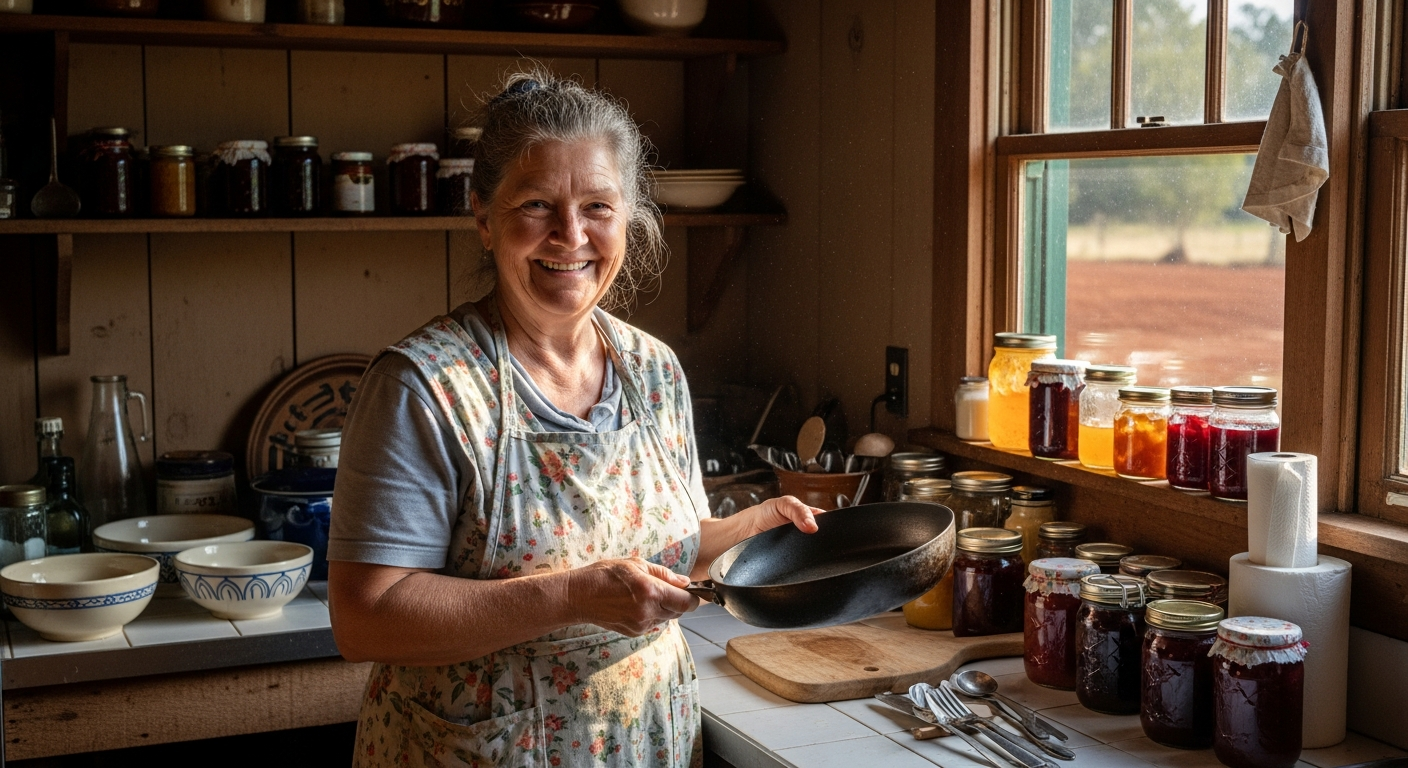
I was skeptical at first. It felt so light! But I soon learned that this pan was a true workhorse, a perfect partner to my beloved cast iron. It gets screaming hot in the time it takes to slice an onion and cools down just as fast, which means my gravy never scorches. Here in Georgia, where our gardens give us tender vegetables that need just a quick kiss of heat, that kind of control is a blessing. It’s a piece of modern wisdom that feels as timeless as the old ways.
What is a Carbon Steel Pan, Anyway?
Don’t let the name fool you; it’s as simple as can be. A carbon steel pan is made of just two things: about 99% iron and 1% carbon. That’s it. It’s pure, honest metal, similar to its cast iron kin but with some key differences in how it’s made.
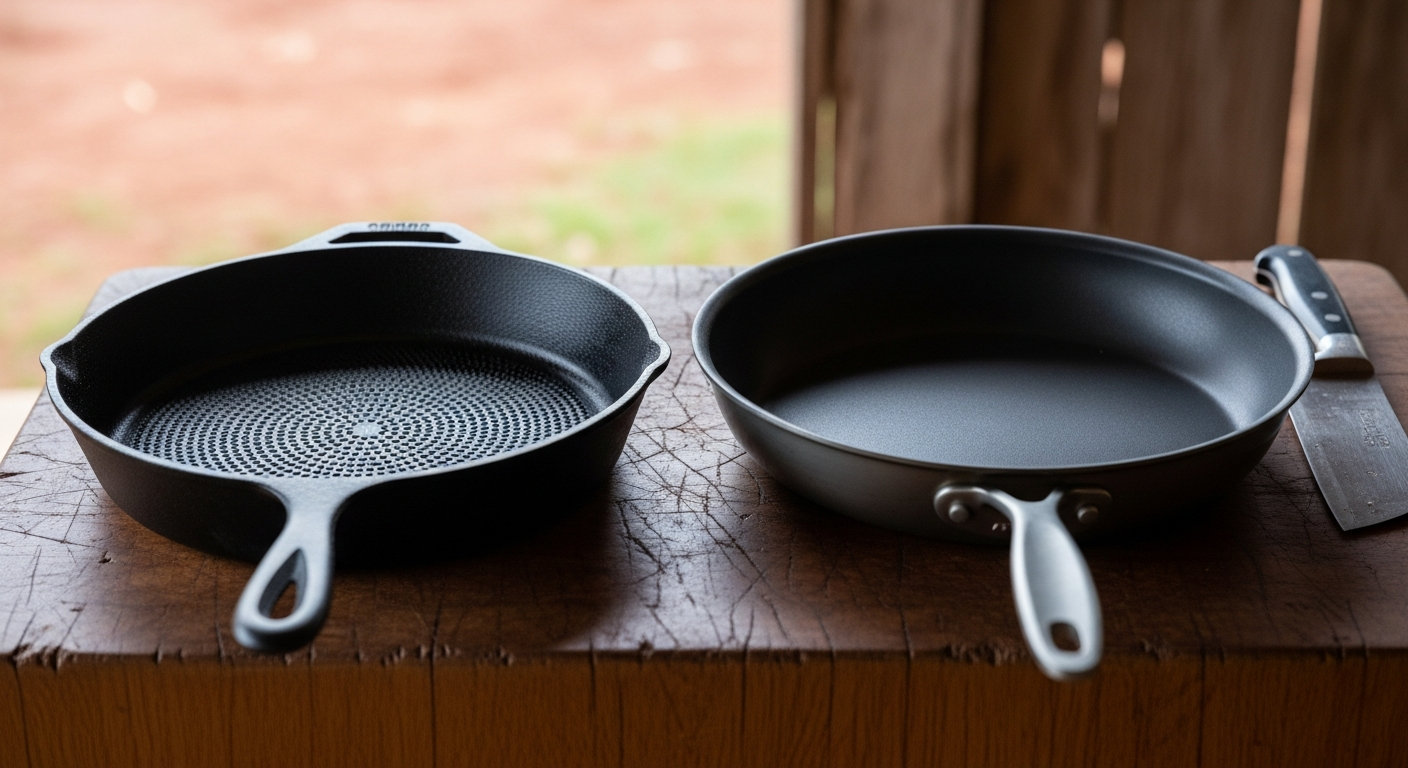
- Cast Iron: Molten iron is poured into a sand mold, which gives it that heavy, thick, slightly pebbly texture.
- Carbon Steel: A sheet of steel is heated and pressed into the shape of a pan. This process makes the metal thinner, smoother, and much lighter.
According to Clemson University’s Extension, selecting the right cookware depends on how you plan to use it, and carbon steel’s properties make it exceptionally versatile. (External Link) Think of cast iron as your sturdy, reliable old mule—strong and steady. Carbon steel is the quick and nimble quarter horse, ready to spring into action at a moment’s notice.
Why Every Homesteader Needs a Carbon Steel Pan
In our world, efficiency matters. We need tools that can keep up with the rhythm of the seasons, from the first tender asparagus in spring to the last batch of fried green tomatoes in the fall.
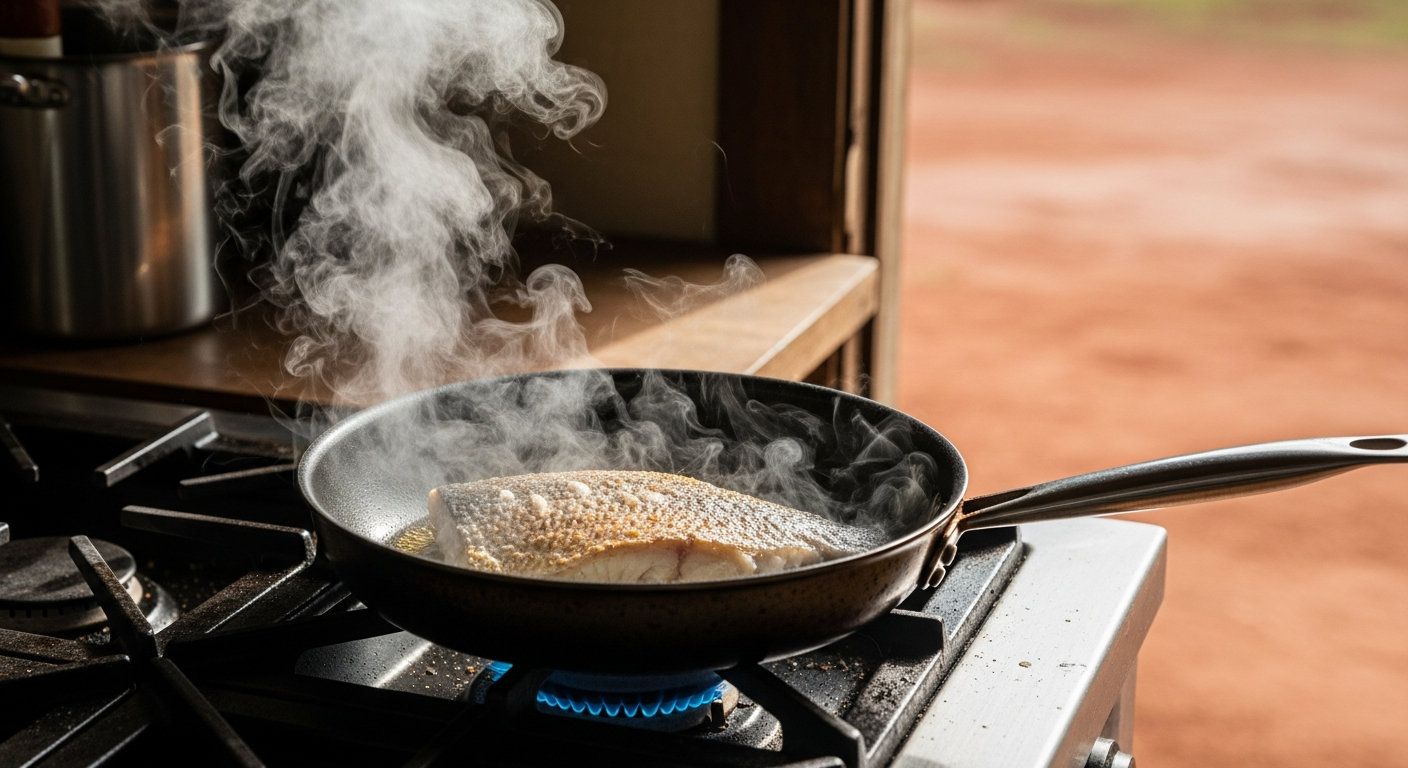
- Unmatched Responsiveness: When you’re searing a beautiful piece of catfish, you want a pan that gets ripping hot now to get that perfect crispy skin. When you’re sautéing delicate squash blossoms, you need the heat to drop the second you pull it off the burner. This pan listens to you, giving you a level of control that’s hard to get with heavy cast iron.
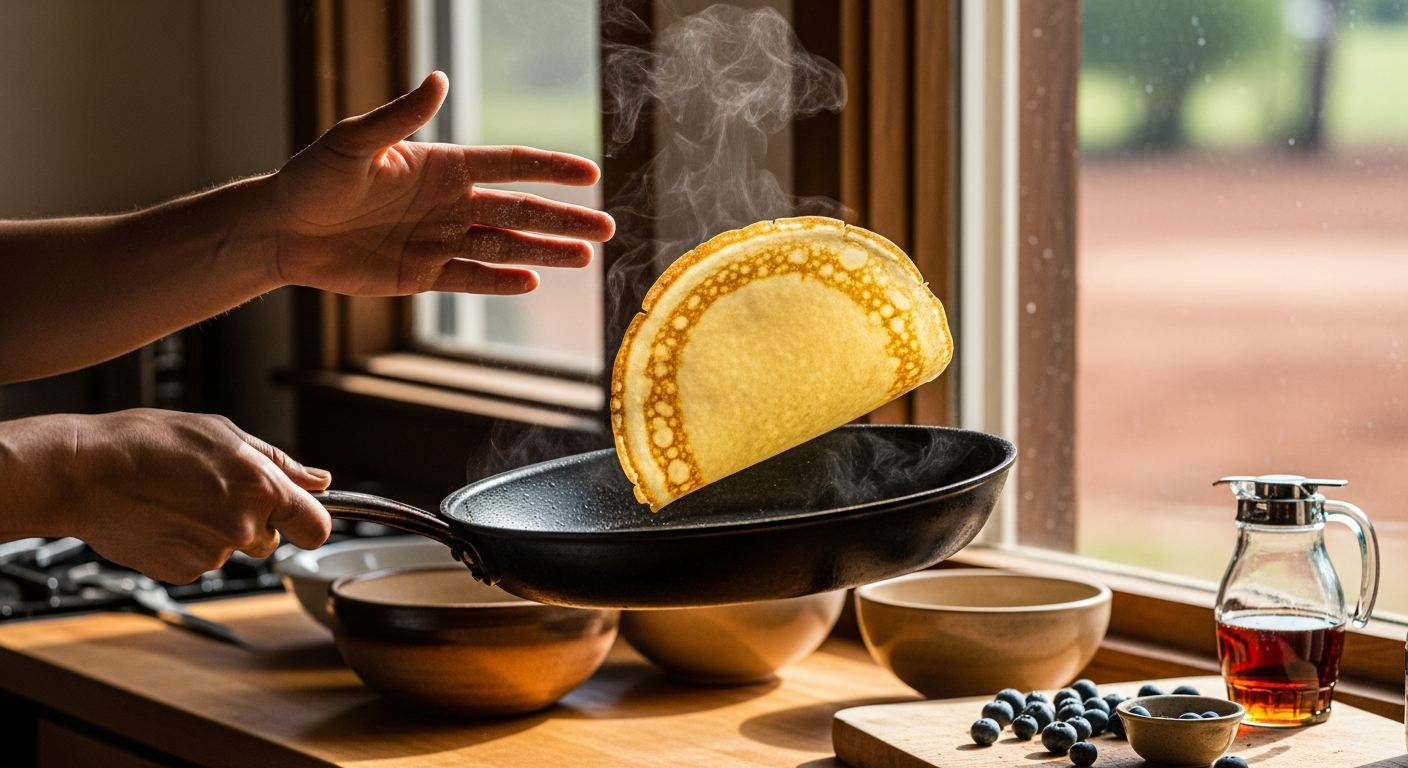
- A Blessing for Your Wrists: After a long day of putting up peaches or shelling a mountain of peas, the last thing you want is to wrestle a 12-pound skillet. Carbon steel pans are so much lighter. It makes flipping a delicate omelet filled with fresh goat cheese and herbs a simple flick of the wrist, not a two-handed heave.
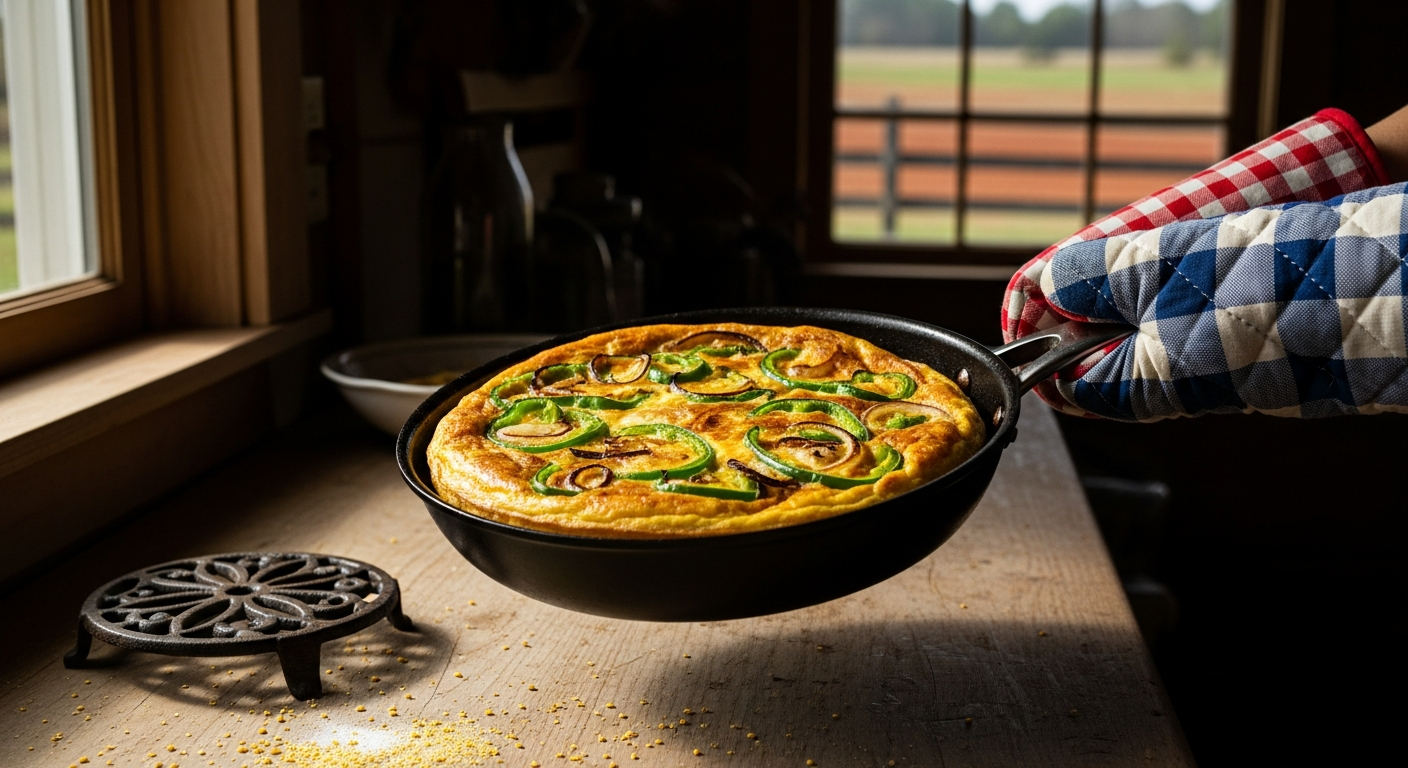
- From Stovetop to Oven to Table: Just like its heavier cousin, this pan is tough enough to go anywhere. You can start a beautiful frittata on the stove, then slide it right into the oven to finish. It’s perfect for baking a rustic cornbread or a skillet cookie, and it looks mighty fine sitting on a trivet in the center of the dinner table.
The Sacred Art of Seasoning: A Step-by-Step Guide
Now for the most important part. Seasoning a pan isn’t a chore; it’s a ritual. It’s the process of bonding oil to metal, creating a natural, non-stick surface that will serve your family for a lifetime. This is how you turn a simple piece of steel into a kitchen treasure. The principles are nearly identical to seasoning cast iron, a process well-documented by sources like The Old Farmer’s Almanac. (External Link)
Step 1: The First and Only Bath
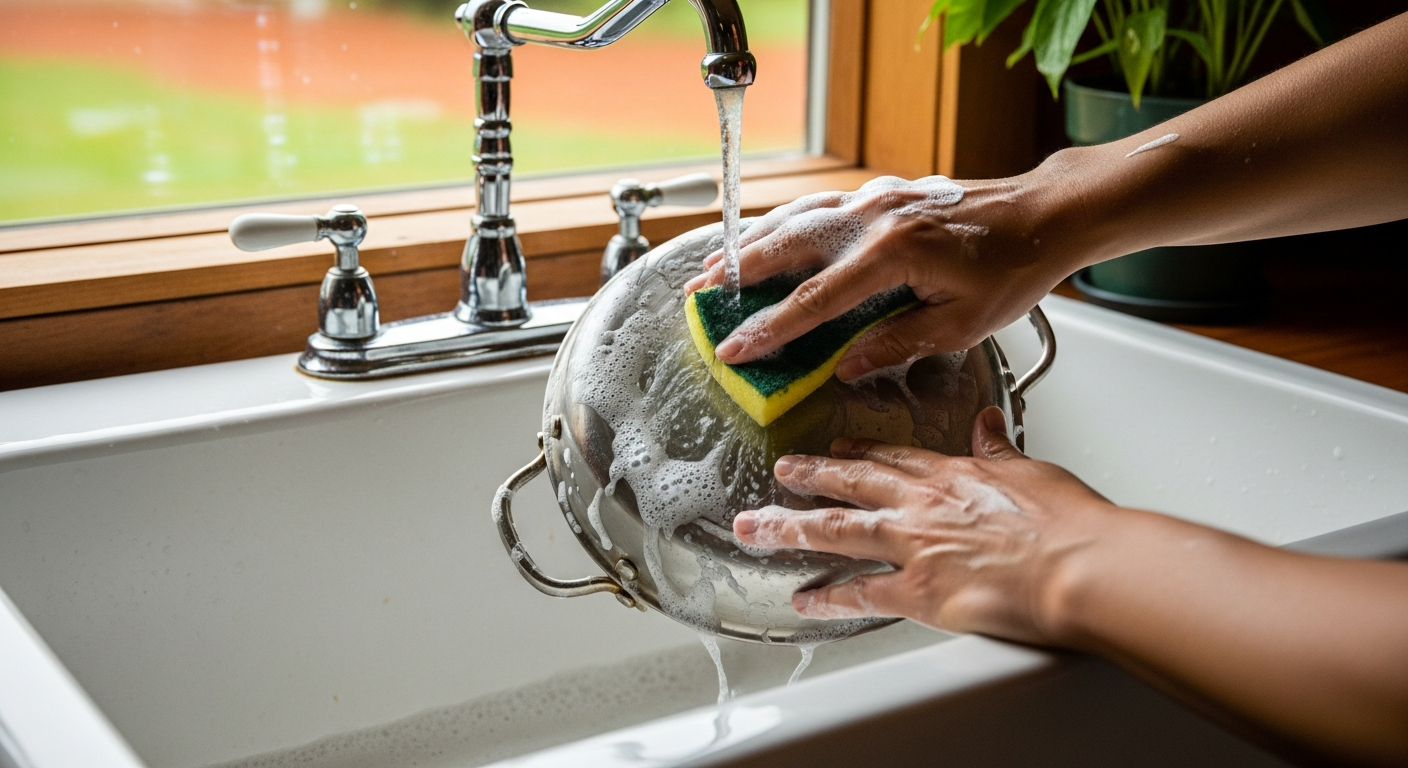
Your new pan will arrive with a thin coating of beeswax or food-grade wax to prevent rust. Your first job is to wash that off. Use hot water and a good bit of dish soap—this will be the one and only time soap touches your pan’s cooking surface. Scrub it well and dry it completely.
Step 2: The Trial by Fire
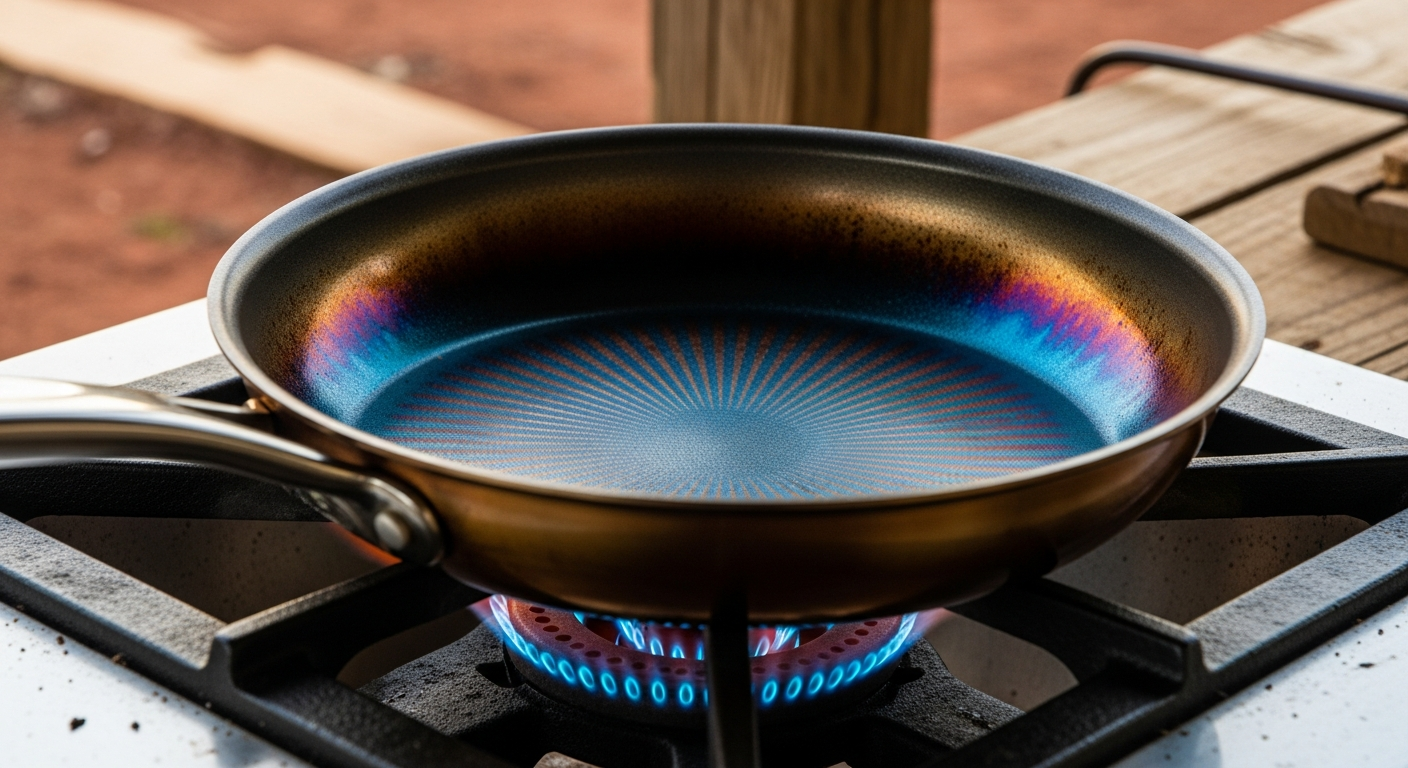
Place your clean, dry pan on a stove burner over high heat. The pan will get incredibly hot, and you’ll see it start to change color to shades of blue, bronze, and brown. This is called “bluing,” and it means you’ve burned off any remaining factory coating and opened up the pores of the metal.
Step 3: The Old-Timer’s Potato Peel Trick
Once the pan is blued and hot, carefully add a tablespoon of a neutral, high-smoke-point oil like grapeseed or sunflower oil. Swirl it to coat the interior. Now, toss in a big handful of potato peels and about two tablespoons of coarse salt.
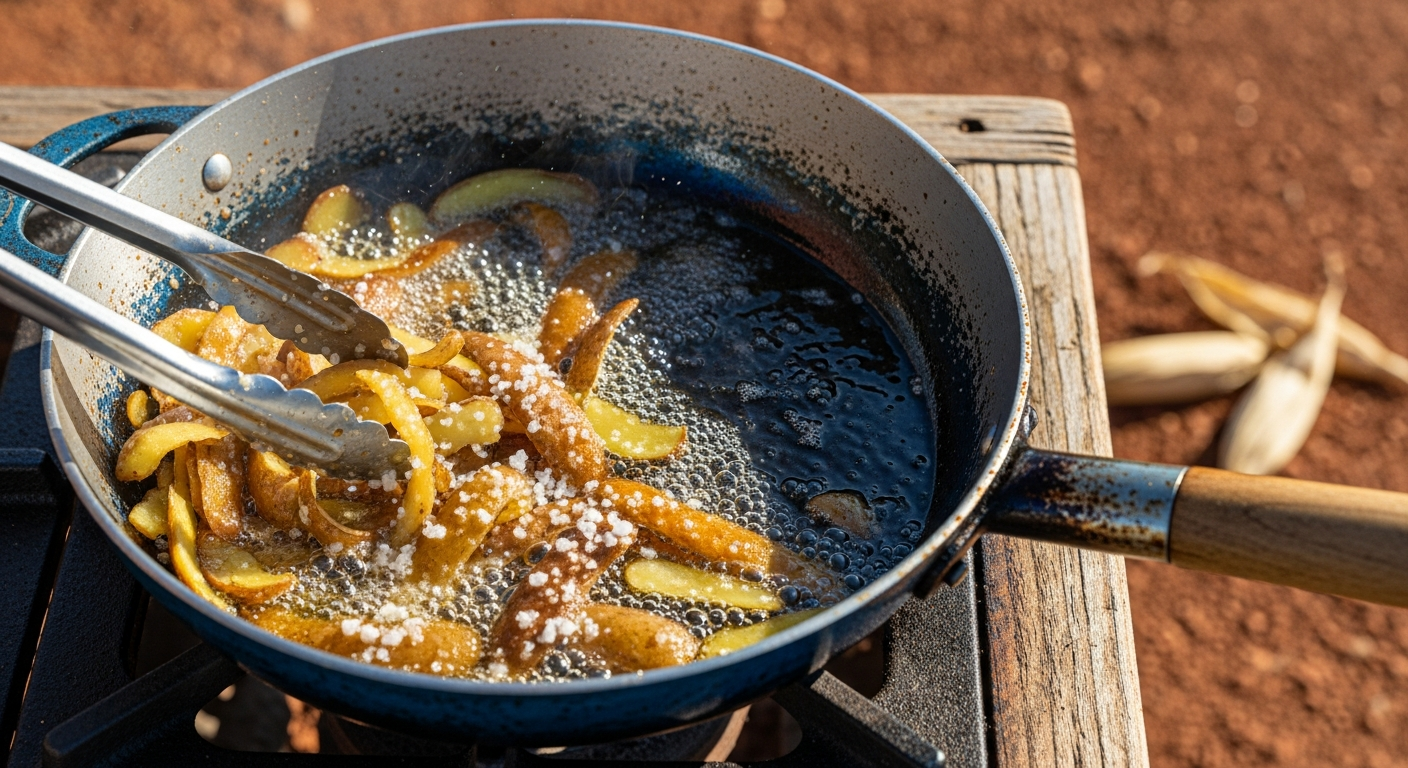
Using tongs, stir and press this mixture all over the inside of the pan for 8-10 minutes. The peels will blacken, and your kitchen will get smoky, so turn on that vent fan! The starches from the potatoes, combined with the oil and salt, create the perfect first layer of seasoning, or polymerization. As the University of Georgia Extension notes, this process of heating oil creates a slick, protective coating. (External Link)
Step 4: The Cool Down and Wipe
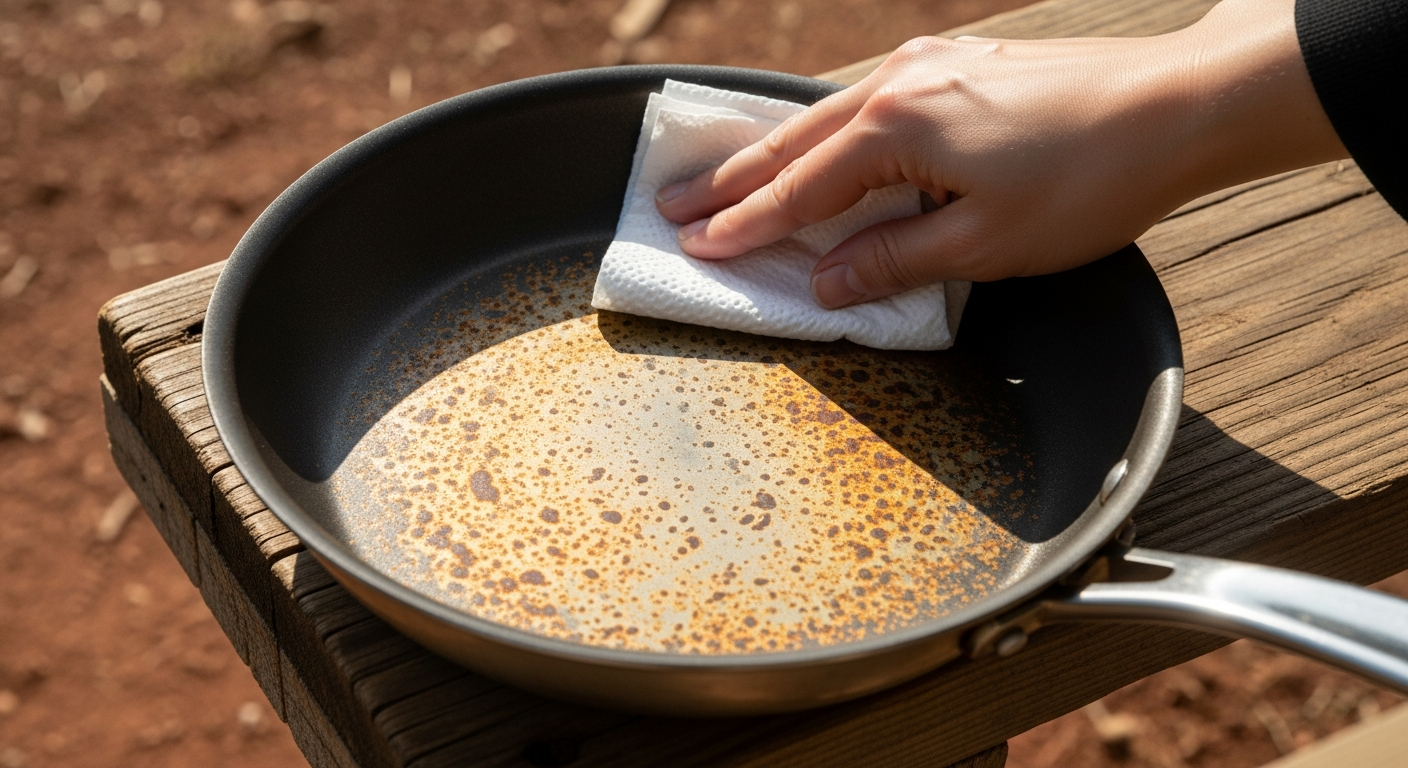
Carefully discard the hot peels and salt—it’s great if you know how to compost. Let the pan cool enough to handle. Then, use a paper towel to wipe out any remaining oil and salt. You’ll see a splotchy, brownish-gold surface, the foundation of your non-stick future.
Step 5: The Final Oiling
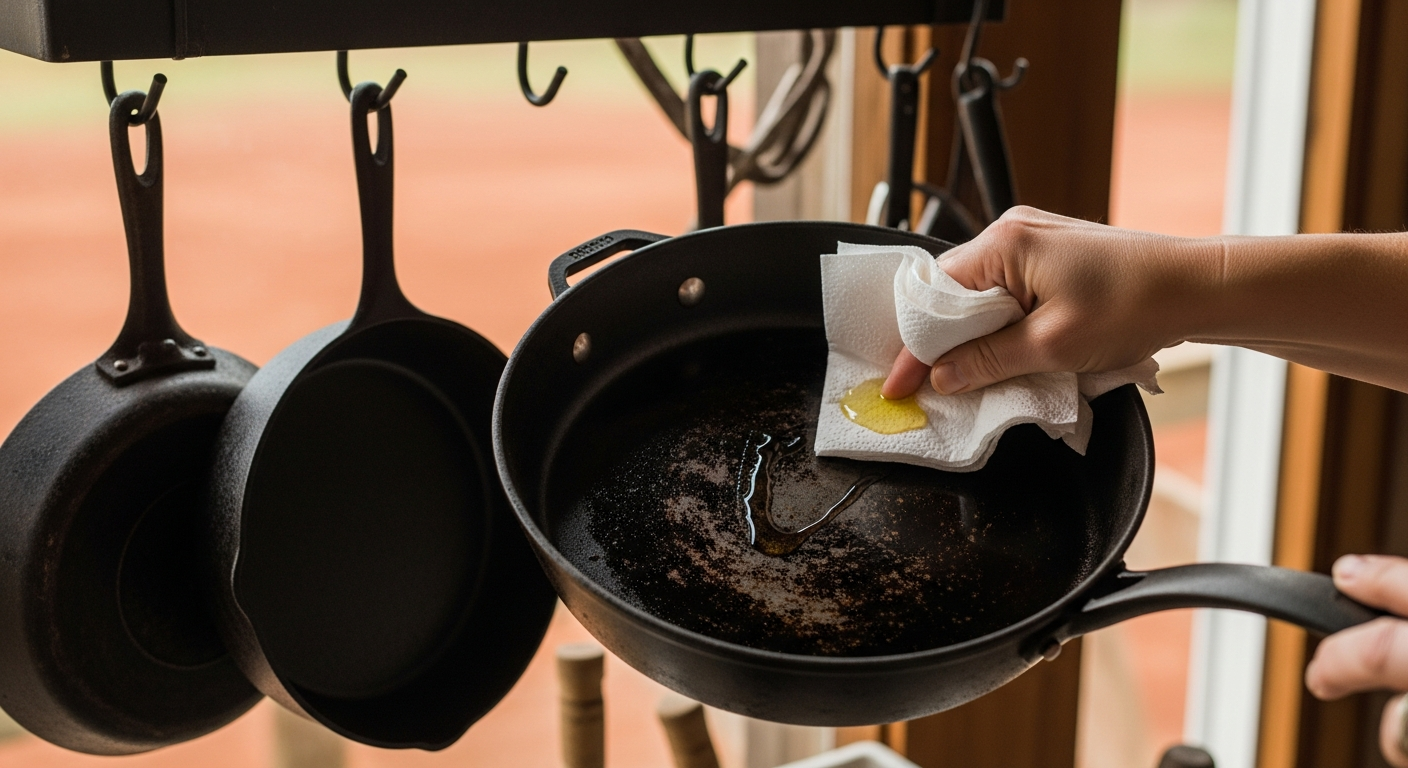
This is the most important step. After cleaning, always put the pan back on the stove over low heat for a minute to evaporate every drop of water. Once bone dry, turn off the heat, add a few drops of oil, and use a paper towel to wipe a micro-thin layer all over the inside. It should look dry, not greasy. Now it’s ready for storage.
Daily Care for a Lifetime of Use
Your pan’s seasoning builds with every use. To care for it, just follow these simple rules.
- Clean it Warm: Clean the pan while it’s still warm.
- Hot Water, No Soap: Use hot water and a stiff brush. Soap strips away your hard-earned seasoning.
- Salt for Stubborn Bits: For stuck food, use coarse salt and a bit of oil to scrub the spot.
- Dry It on the Fire: Always dry your pan on a low burner to prevent rust.
- A Whisper of Oil: Wipe a very thin layer of oil inside before storing.
My Trusted Brands for Your Forever Pan
You don’t need a fortune, but you want a well-made pan. These brands are trusted and stand the test of time.
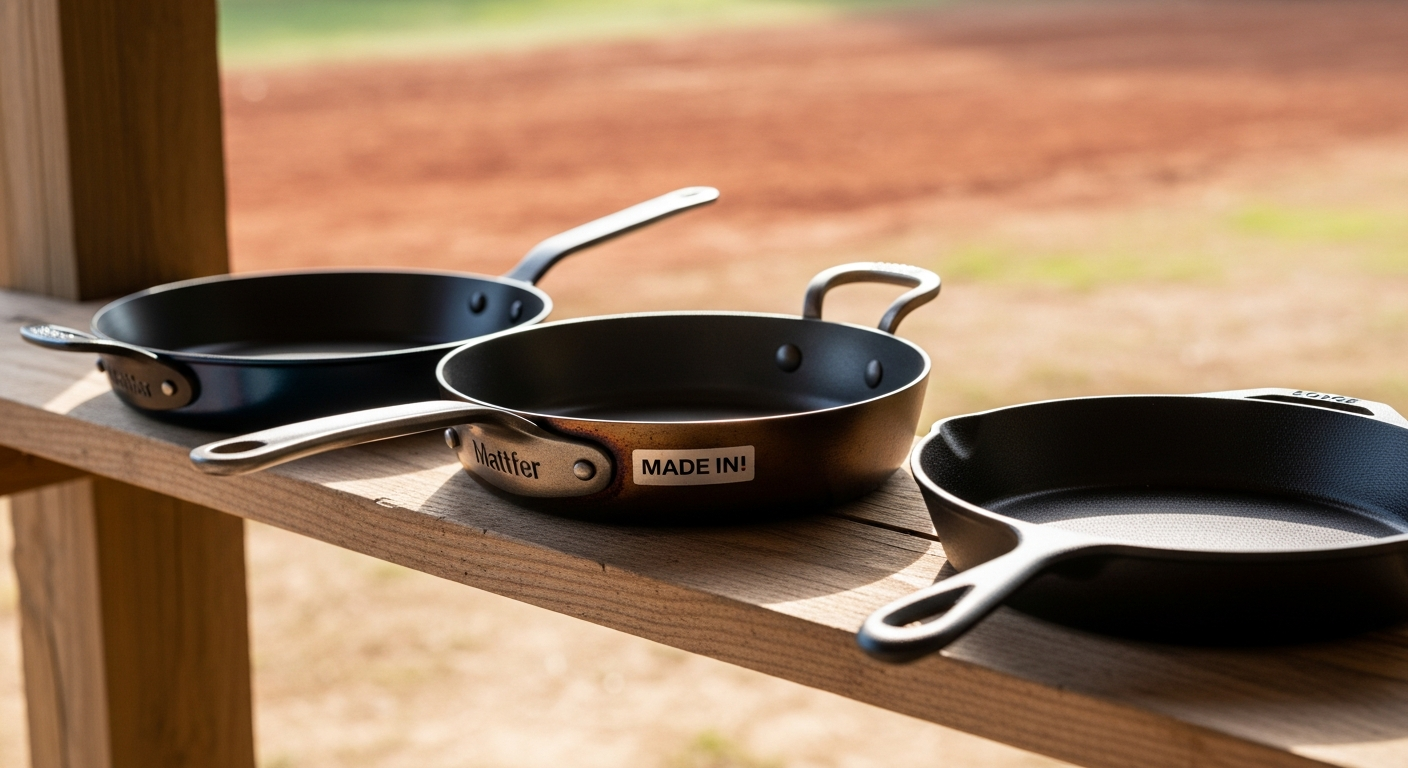
- Matfer Bourgeat: The French classic found in professional kitchens worldwide. They are no-nonsense and incredibly durable.
- Made In: A newer American company whose pans are beautifully crafted and heat wonderfully.
- Lodge: Known for their Tennessee-made cast iron, Lodge also makes fantastic carbon steel pans that offer incredible value.
Conclusion
A carbon steel pan is more than just cookware. It’s a story waiting to be told. It will hold the memory of thousands of meals—pancakes on lazy Saturday mornings, seared venison backstrap, and stir-fries with vegetables picked moments before. By taking the time to season it and care for it, you are investing in your family’s heritage. You’re creating a tool that will feed the ones you love for years to come.
Now, go on and make something wonderful.
Frequently Asked Questions (FAQ)
1. Can I really never use soap on my carbon steel pan?
After the initial seasoning, you should avoid it. Modern dish soaps are designed to cut grease, which is your precious seasoning. A scrub with hot water is all you need 99% of the time. If you must, use a tiny drop of mild soap and re-season your pan with a thin layer of oil on the stovetop afterward.
2. What’s the best oil for seasoning?
A neutral oil with a high smoke point. Grapeseed, canola, sunflower, or vegetable oil work wonderfully. Avoid olive oil for high-heat seasoning, as its low smoke point can create a sticky surface.
3. My pan’s seasoning looks splotchy and uneven. Is it ruined?
Not at all! That’s completely normal. A carbon steel pan’s seasoning builds in layers and rarely looks uniform. The splotches are a sign of character. As long as food isn’t sticking, it’s working perfectly.
4. Can I cook acidic foods like tomatoes in it?
It’s best to wait until your pan has a dark, well-established seasoning. Highly acidic ingredients can strip a new seasoning layer. For a quick deglaze with wine, a well-seasoned pan is fine, but for long-simmering tomato sauces, use a stainless steel or enameled pot.
5. Why did my new pan change color when I heated it?
That’s the “bluing” process. Heating raw steel to a high temperature creates a thin oxide layer that appears as blue and bronze colors. This is a good sign that the protective wax is gone and the metal is ready for seasoning.
6. How is this different from a non-stick (Teflon) pan?
Carbon steel’s non-stick surface is created by you through polymerized oil and can be renewed forever. Chemical non-stick coatings degrade, can be scratched, and shouldn’t be used over very high heat. A carbon steel pan is a “buy it for life” tool.
7. Is it as heavy as cast iron?
No, a 10-inch carbon steel pan is typically 30-40% lighter than a 10-inch cast iron skillet, making it much easier to handle.
8. How should I store my carbon steel pan?
The best way is to hang it from a pot rack. If you must stack it, place a paper towel inside to protect the cooking surface and absorb any moisture.
9. What is that waxy coating on a new pan?
It’s a food-safe wax (often beeswax) applied by the manufacturer to protect the raw steel from rust during shipping. It must be washed off with hot, soapy water before seasoning.
10. Can I use a carbon steel pan on an electric or induction cooktop?
Yes! Because it’s made of iron, carbon steel works beautifully on all cooking surfaces, including gas, electric, glass-top, and induction.