When to Plant Your Spring Vegetable Garden in Georgia (Zone 8a): A Horticulturist’s Guide
When to Plant Your Spring Vegetable Garden in Georgia (Zone 8a): A Horticulturist’s Guide
By Dr. Elena Vance
Hello, fellow gardeners. As we watch the dogwoods begin to hint at their future glory, our thoughts naturally turn to the soil. Here in Georgia, spring gardening isn’t a gentle awakening; it’s a strategic campaign waged against fluctuating temperatures, heavy clay, and the impending summer heat. Timing is everything. Planting your tender tomatoes a week too early can mean a heartbreaking loss to a late frost, while waiting too long can pit them against the full force of July before they’re established. This guide is built on 30 years of experience turning stubborn Georgia red clay into bountiful harvests, and it’s designed to give you a clear, chronological plan for success in our unique Zone 8a climate.
Key Takeaways
- Respect the Frost Date: The average last frost date for Georgia’s Zone 8a is April 1st to April 15th. This date is the critical pivot point between planting frost-tolerant cool-season crops and tender warm-season vegetables.
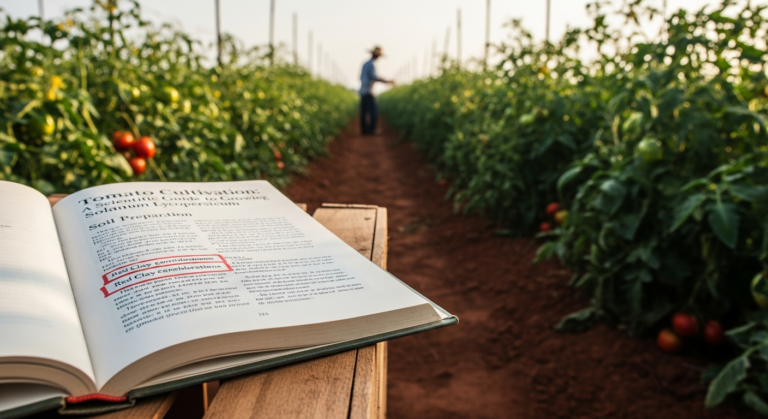
- Amend Your Soil First: Georgia’s red clay is rich in minerals but poor in drainage and organic matter. Before planting a single seed, you must amend your soil with 2-4 inches of quality compost or aged manure to create a foundation for healthy plant life.
- Plant in Three Phases: Don’t try to plant everything at once. A successful Georgia spring garden is planted in three distinct stages: Early Spring (cool-season crops), Mid-Spring (frost-tender classics like tomatoes), and Late Spring (heat-loving champions like okra).
The Deep Dive: A Step-by-Step Planting Calendar
The Foundation: Preparing Your Georgia Soil (Do This First!)
Before we discuss a single plant, we must address the ground itself. I’ve always said that we aren’t just growing vegetables; we are cultivating the soil that grows the vegetables. In Georgia, that means confronting our infamous red clay (Ultisols). This soil is acidic and compacted, making it difficult for tender roots to penetrate and for water to drain properly.
- Get a Soil Test: Your first and most important step is to contact your local UGA Extension office for a soil test kit. This is not optional; it is essential. The results will tell you your soil’s pH and which specific nutrients it’s lacking. For most vegetables, you are aiming for a pH between 6.0 and 6.5.
- Amend, Amend, Amend: Based on your soil test, you will likely need to add lime to raise the pH and compost to improve the structure. Spread a generous layer, at least 2 to 4 inches deep, of well-rotted compost, aged manure, or a quality soil conditioner over your entire garden bed.
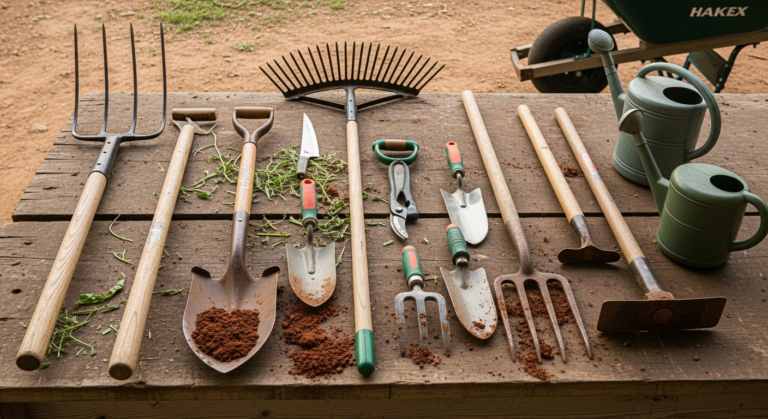
- Incorporate Thoroughly: Using a tiller or a sturdy garden fork, work these amendments into the top 6 to 8 inches of your native soil. This action breaks up compaction, introduces air, improves drainage, and creates a welcoming environment for plant roots. Do this work when the soil is moist but not soaking wet to avoid creating hard clods.

Early Spring (Late February – March): Embracing the Cool
This is the window for planting hardy vegetables that can withstand a light frost and prefer the cooler soil temperatures of late winter and early spring. Rushing warm-season crops now is a recipe for failure.
-
Onion Sets (Allium cepa)
- When: Late February to early March.
- How: Plant the small bulbs (sets) about 1 inch deep and 4-5 inches apart. The pointed end should face up. They require well-drained soil, so your initial soil preparation is key. Onions are heavy feeders and benefit from soil rich in nitrogen.

-
Irish Potatoes (Solanum tuberosum)
- When: Late February to mid-March.
- How: Plant certified seed potatoes, not grocery store potatoes which may be treated to prevent sprouting. Cut larger potatoes into pieces, ensuring each piece has at least one or two “eyes.” Let them cure for a day or two before planting 4 inches deep and 12 inches apart. As the plants grow, “hill” the soil up around the base to protect the developing tubers from sunlight.

-
Brassicas: Cabbage & Collards (Transplants)
- When: Late February to mid-March.
- How: It’s best to use transplants for these. Plant them slightly deeper than they were in their containers, spacing cabbage (Brassica oleracea var. capitata) about 18 inches apart and collards (Brassica oleracea var. viridis) about 12-15 inches apart. These are susceptible to cabbage loopers, so be prepared to inspect your leaves regularly.

-
Direct Sowing: Lettuce, Spinach, Carrots, & Radishes
- When: Early to mid-March.
- How: These crops are best sown directly into the garden soil as seeds.
- Lettuce (Lactuca sativa): Sow seeds shallowly, only about 1/8 inch deep. Keep the soil consistently moist for germination.
- Spinach (Spinacia oleracea): Plant seeds about 1/2 inch deep. Spinach will bolt (go to seed) quickly once the Georgia heat arrives, so enjoy this early crop.
- Carrots (Daucus carota): Carrots need loose, rock-free soil to develop straight roots. Your soil amendment is critical here. Sow seeds 1/4 inch deep.
- Radishes (Raphanus sativus): The fastest crop! Plant seeds 1/2 inch deep and they can be ready to harvest in as little as three weeks.

Mid-Spring (April – Early May): The Post-Frost Planting Frenzy
Once the danger of frost has passed (around April 15th is a safe bet for most of Zone 8a), the soil temperature begins to rise, signaling the time to plant our beloved summer staples. Do not jump the gun on this date!
-
Tomatoes & Peppers (Transplants)
- When: April 1st to May 15th. Wait until nighttime temperatures are consistently above 55°F.
- How: Purchase strong, stocky transplants or use your own that have been properly “hardened off” (gradually accustomed to outdoor conditions).
- Tomatoes (Solanum lycopersicum): Plant them deep! Dig a trench or a deep hole and bury the stem up to the first set of true leaves. The buried stem will grow new roots, creating a stronger plant. For Georgia’s heat and humidity, select resistant varieties like ‘Celebrity’, ‘Heatmaster’, ‘Better Boy’, or paste tomatoes like ‘Roma’.
- Peppers (Capsicum annuum): Plant at the same depth they were in their pot. Ensure they get consistent moisture, but avoid waterlogged soil.

-
Snap Beans (Bush & Pole)
- When: April 1st to May 1st.
- How: Beans (Phaseolus vulgaris) are best direct-sown. Plant seeds 1 inch deep. Bush beans should be spaced about 3-4 inches apart, while pole beans will need a trellis or other support structure installed at the time of planting. Successive plantings every two weeks can ensure a continuous harvest.

-
Squash & Cucumbers
- When: April 15th to May 15th. These cucurbits need truly warm soil to germinate and thrive.
- How: Direct sow seeds about 1 inch deep in “hills” (small mounds of soil) to improve drainage and warmth. Plant 3-4 seeds per hill and thin to the strongest two seedlings. Give them plenty of space, as their vines will spread aggressively. Be vigilant for the squash vine borer moth in late spring.

Late Spring (May – June): Planting for the Summer Siege
This is the time to plant the true heat-loving champions of the Southern garden. These vegetables laugh at the Georgia summer sun and will produce when many other plants have given up.
-
Okra (Abelmoschus esculentus)
- When: May 1st to June 15th.
- How: Soak okra seeds overnight to improve germination. Plant them 1 inch deep and about 12 inches apart. Okra loves heat and well-drained soil. Once it starts producing, you’ll need to harvest the pods every other day to keep it productive.

-
Southern Peas (Field Peas, Crowder Peas, etc.)
- When: May 1st to June 15th.
- How: These legumes (Vigna unguiculata) are incredibly resilient. Plant seeds about 1 inch deep and 3-4 inches apart. They actually improve the soil by fixing nitrogen, making them an excellent part of your garden’s crop rotation plan.

-
Sweet Potatoes (Ipomoea batatas)
- When: May 1st to June 15th.
- How: Sweet potatoes are grown from “slips,” which are rooted sprouts from a mature sweet potato. Plant the slips in ridges of loose soil, about 12 inches apart. The vines will cover the ground, acting as a living mulch. They require very little care and will be ready to harvest in the fall before the first frost.

Frequently Asked Questions (FAQ)
1. What’s the most common mistake Georgia gardeners make in spring?
Without a doubt, it’s planting warm-season crops like tomatoes and peppers too early. A late frost in April is very common in Zone 8a, and it will kill or severely stunt these tender plants. Patience is a gardener’s greatest virtue.
2. How do I know if my soil is warm enough to plant tomatoes?
A soil thermometer is an excellent tool. For tomatoes, peppers, and squash, you want the soil temperature to be consistently at or above 60-65°F. A simpler, old-fashioned method is to check if you can comfortably sit on the bare ground for a minute—if it’s too cold for you, it’s too cold for their roots.
3. Can I just use bagged garden soil in my raised beds instead of amending my clay?
Yes, for raised beds, filling them with a quality mix of bagged garden soil, compost, and vermiculite or perlite is an excellent strategy. It allows you to bypass the challenges of heavy clay entirely. However, for in-ground gardens, working with your native soil by amending it is the most sustainable and cost-effective long-term solution.
4. What does “harden off” mean for my transplants?
“Hardening off” is the crucial process of gradually acclimating seedlings started indoors to the harsh conditions outdoors (sun, wind, temperature swings). Over 7-10 days, you bring the plants outside for a few hours at a time, starting in a shady, protected spot and gradually increasing their exposure to direct sun and wind. Skipping this step can lead to shock, sunburn, and death of the young plants.
5. Why are my squash plants suddenly wilting even though I’m watering them?
This is the classic, heartbreaking sign of the Squash Vine Borer. A moth lays its eggs at the base of the plant, and the grub hatches and tunnels into the stem, cutting off the flow of water to the leaves. Check the base of the stem for a small hole and a sawdust-like material called “frass.” Prevention is key, but sometimes surgery to remove the grub can save the plant.
6. Is it too late to plant a spring garden in May in Georgia?
Not at all! May is the perfect time to plant the heat-lovers: okra, Southern peas, sweet potatoes, and even another round of quick-growing squash or beans. You can also find heat-tolerant tomato and pepper varieties to plant, but be prepared to provide them with extra water and perhaps some afternoon shade as they get established in the summer heat.
7. What is the best mulch to use in a Georgia vegetable garden?
I highly recommend pine straw or wheat straw. A 2-3 inch layer of mulch is non-negotiable in our climate. It conserves soil moisture, suppresses weeds, and keeps the soil temperature more consistent. As it breaks down, it also adds valuable organic matter to your soil.
8. How often should I water my newly planted spring garden?
Newly sown seeds and young transplants need consistent moisture. Water them gently but deeply every 2-3 days, or more often if it’s particularly sunny and windy. The goal is to keep the soil moist like a wrung-out sponge, not waterlogged. Check the soil with your finger; if it’s dry an inch down, it’s time to water.
Sources
- UGA Extension Vegetable Garden Calendar:
https://extension.uga.edu/publications/detail.html?number=C1027 - UGA Extension Home Vegetable Gardening Guide:
https://extension.uga.edu/publications/detail.html?number=C1027 - The Best Tomato Plants To Grow In Georgia – Garden Guides:
https://www.gardengides.com/106836-tomato-plants-grow-georgia.html