10 Types of Gardening
Summary
Choosing the right type of garden is the most critical first step towards a thriving landscape and a deeply rewarding hobby. As a plant scientist, I can tell you that success isn’t about luck; it’s about aligning your goals with the realities of your specific environment. Understanding these ten foundational gardening styles allows you to apply the principles of soil science and plant biology effectively, matching your efforts to your climate, goals, and available space. This guide provides the expert knowledge you need to cultivate success, whether you’re aiming for a bountiful harvest or a breathtaking floral display.
Key Takeaways
- Goal-Oriented Design is Paramount: Your primary objective—be it food production (Edible), aesthetic appeal (Ornamental), or ecological harmony (Native)—is the single most important factor. Defining your goal first simplifies every subsequent decision, from plant selection to soil amendment.
- Site Analysis is Non-Negotiable: A rigorous assessment of your site, including sun exposure, climate (e.g., USDA Hardiness Zone 8a), and soil composition, dictates which methods are viable. A simple soil test is the most valuable investment you will ever make in your garden, preventing costly and heartbreaking failures.
- Soil Health is the Universal Foundation: All successful gardening, without exception, begins with healthy soil. Understanding and methodically amending your soil’s pH, structure (the ratio of sand, silt, and clay), and nutrient content is the fundamental principle underpinning vigorous plant growth across every garden type.
The Deep Dive
Understanding Your Garden’s Foundation: The Science of Your Site
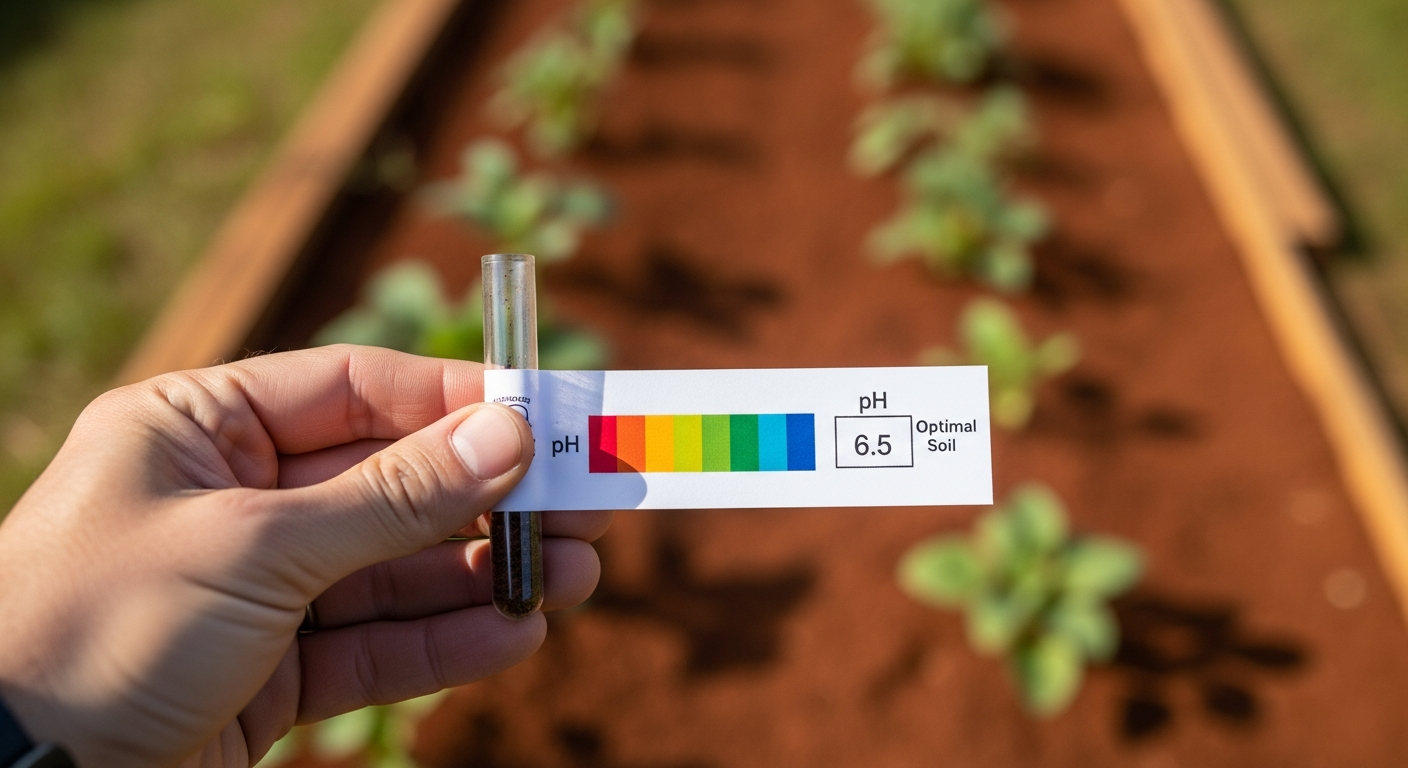
Before you ever turn a spade of soil, you must become a student of your own land. Here in my Zone 8a garden, this means I am intimately familiar with our acidic red clay (typically a pH of 5.0-5.5), the intense summer sun, and the high humidity that can encourage fungal diseases. Your first and most crucial task is a scientific soil analysis.
Your local cooperative extension office provides test kits that reveal your soil’s pH, nutrient profile, and organic matter content—invaluable data for a minimal cost. This report is your roadmap. It tells you if you need to add dolomitic lime to raise the pH for vegetables or elemental sulfur to lower it for acid-loving plants like Azaleas (Rhododendron spp.) and Blueberries (Vaccinium corymbosum). Ignoring this step is like trying to navigate without a map; you simply won’t get where you want to go.
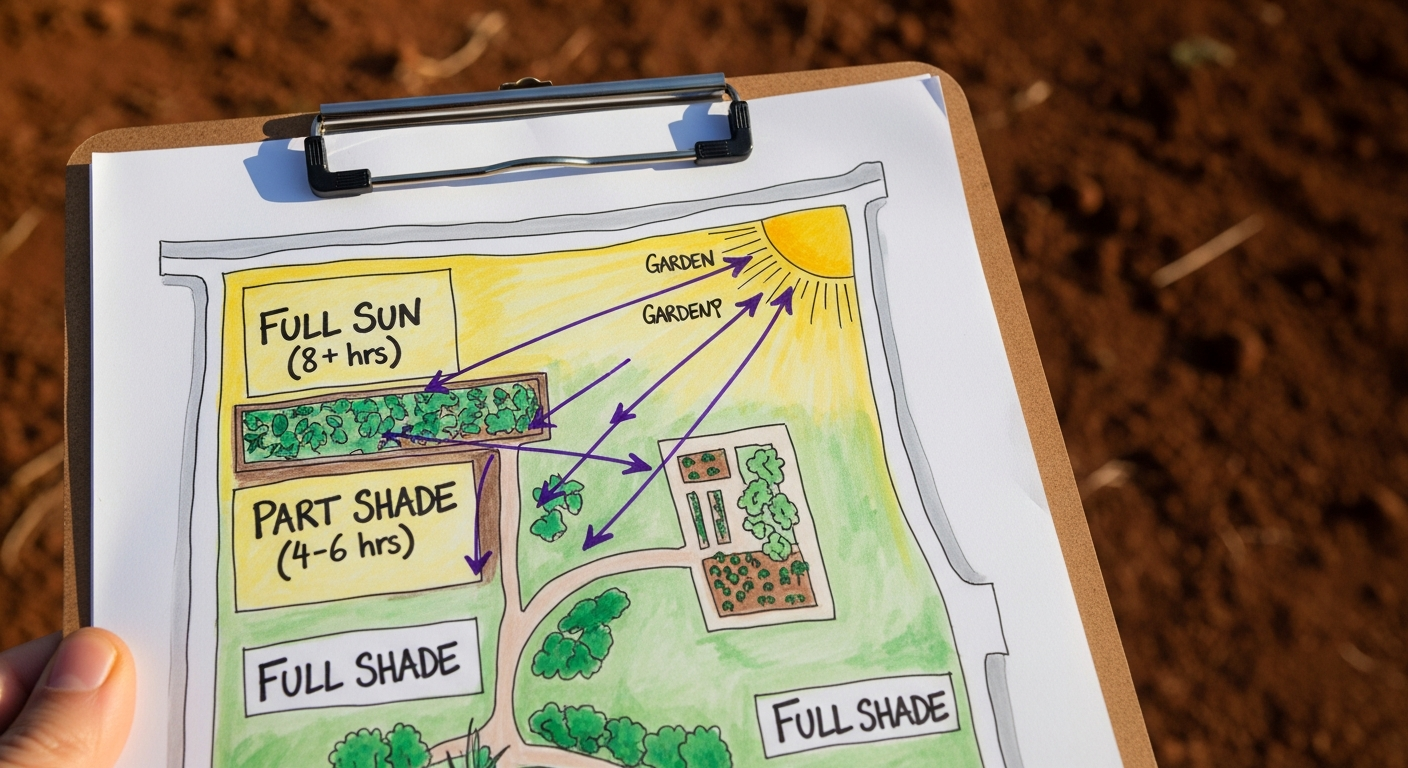
Next, you must map your sunlight. Over a full day, sketch your property and note where you get 6-8+ hours of direct sun—the requirement for most fruiting vegetables like tomatoes (Solanum lycopersicum) and peppers (Capsicum annuum). Also, map the areas with dappled shade, perfect for woodland species like Hellebores (Helleborus orientalis), and deep shade, suitable for tough foliage plants like Hostas (Hosta spp.). This initial investment in observation is the bedrock of a successful garden, preventing the cardinal sin of horticulture: planting the right plant in the wrong place.
A Comprehensive Guide to the 10 Foundational Gardening Types
1. Edible Gardening (Vegetable, Fruit & Culinary)
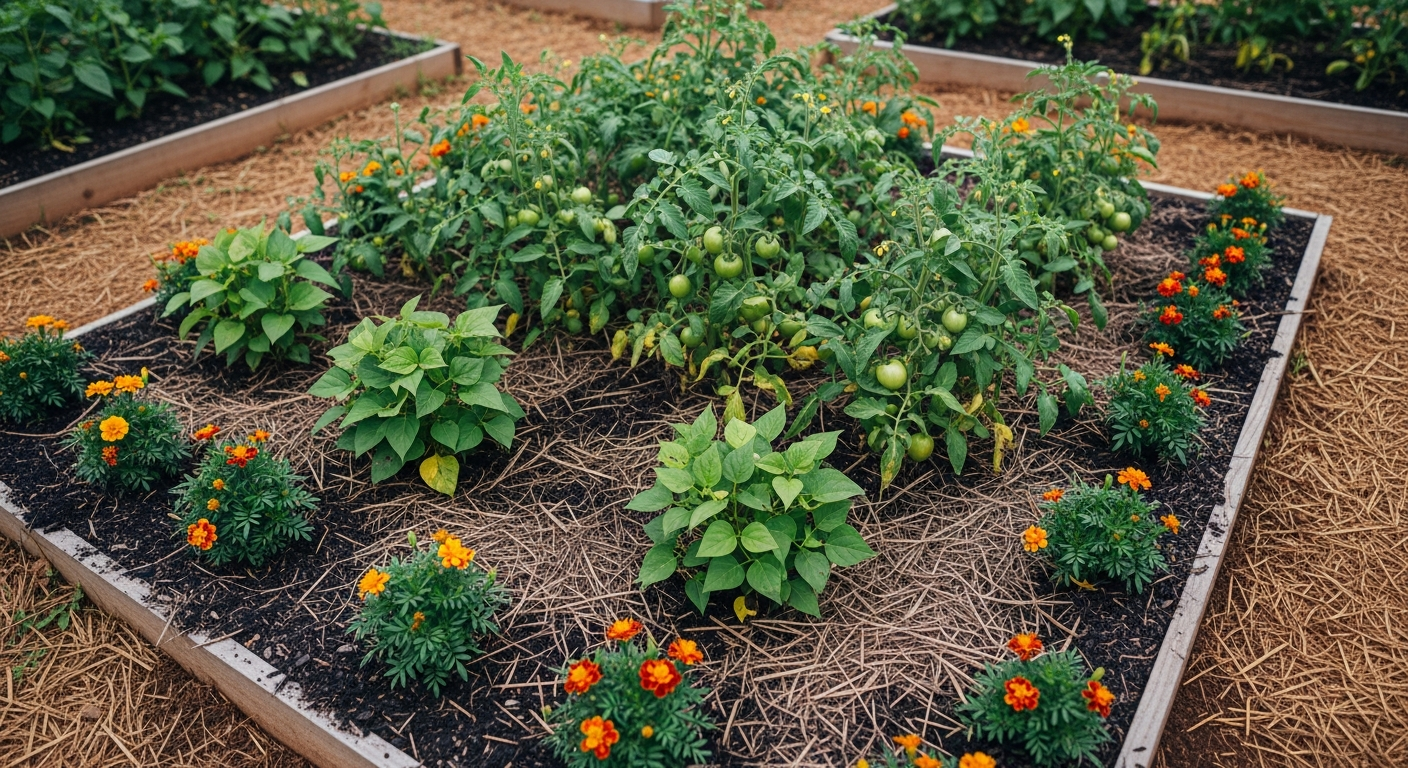
This is arguably the most ancient and rewarding form of horticulture, focused squarely on producing food. It connects us directly to our sustenance, providing unparalleled flavor and nutrition. Edible gardening can range from a few pots of herbs on a patio to a multi-acre market garden or a home orchard.
- Core Principle: To maximize the production of high-quality, nutritious food through the careful management of soil fertility, water resources, and pest populations.
- Soil Requirements: Edible plants are heavy feeders. They demand nutrient-rich, well-draining soil teeming with microbial life, typically with a pH between 6.0 and 7.0 for optimal nutrient uptake. Annual, heavy applications of well-rotted compost are non-negotiable to replenish the nutrients extracted by crops.
- Zone 8a Specifics: Our long growing season is a significant advantage, allowing for successive plantings (e.g., a spring crop of potatoes followed by a summer crop of Southern peas). However, intense summer heat requires selecting heat-tolerant varieties like ‘Celebrity’ tomatoes and providing afternoon shade for more sensitive crops. Fungal pressure from humidity is high, so proper spacing for air circulation is critical to prevent diseases like early blight.
2. Ornamental Gardening
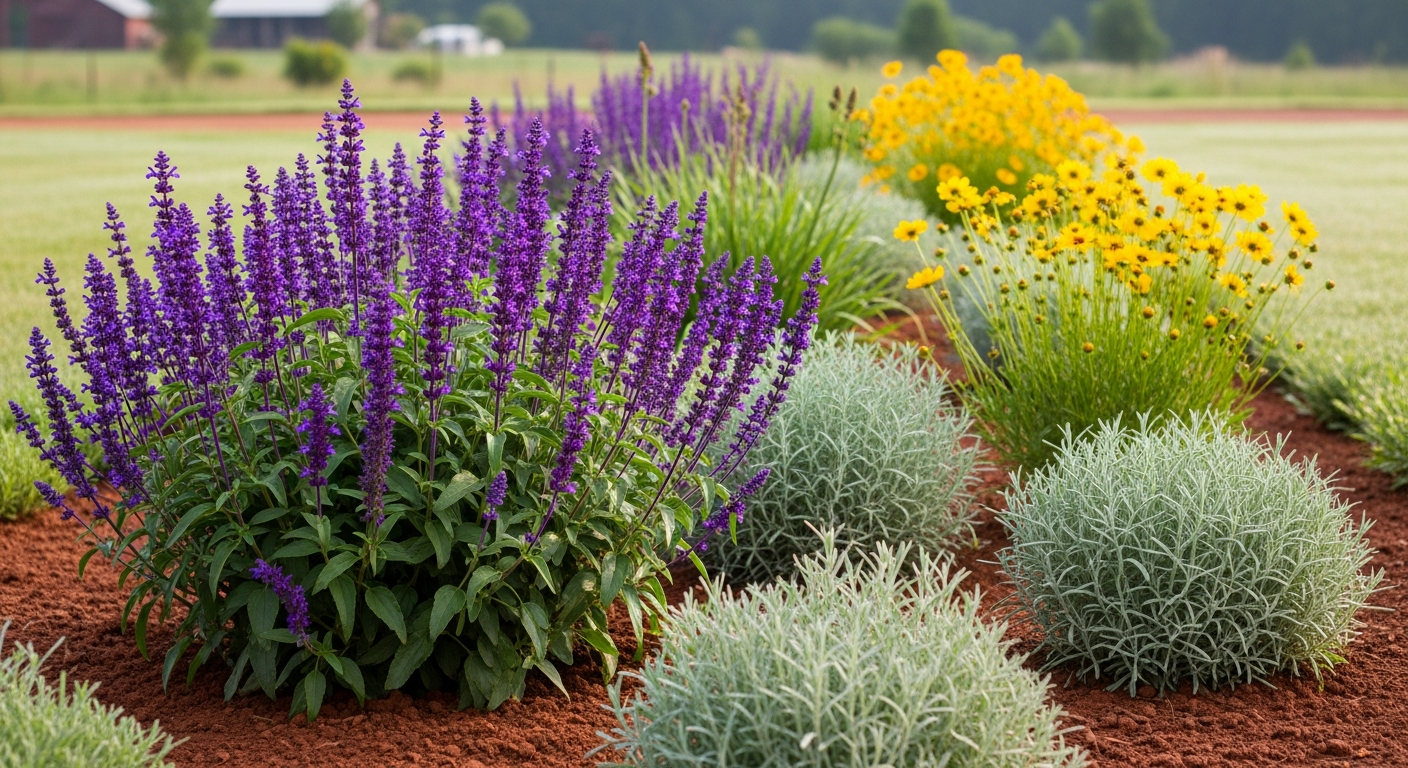
Ornamental gardening is the art of growing plants for their aesthetic value. This style focuses on creating beauty through the masterful combination of color, form, texture, and fragrance. It encompasses everything from a simple flower bed to a complex, multi-layered landscape design.
- Core Principle: To create a visually pleasing and emotionally resonant space using plants as the primary medium. Key design principles include repetition, contrast, and balance.
- Soil Requirements: This varies dramatically by plant choice. A rose garden demands rich, loamy soil, while a rock garden with alpines requires gritty, fast-draining soil. The key is to group plants with similar needs (a concept called “right plant, right place”) and amend the soil for those specific communities.
- Zone 8a Specifics: We can grow a vast array of beautiful plants, from Crape Myrtles (Lagerstroemia indica) to Camellias (Camellia japonica). The challenge is the summer heat and drought. Choose tough, heat-loving perennials like Lantana (Lantana camara) and Coneflower (Echinacea purpurea). Mulching is essential to conserve soil moisture and keep roots cool.
3. Container Gardening
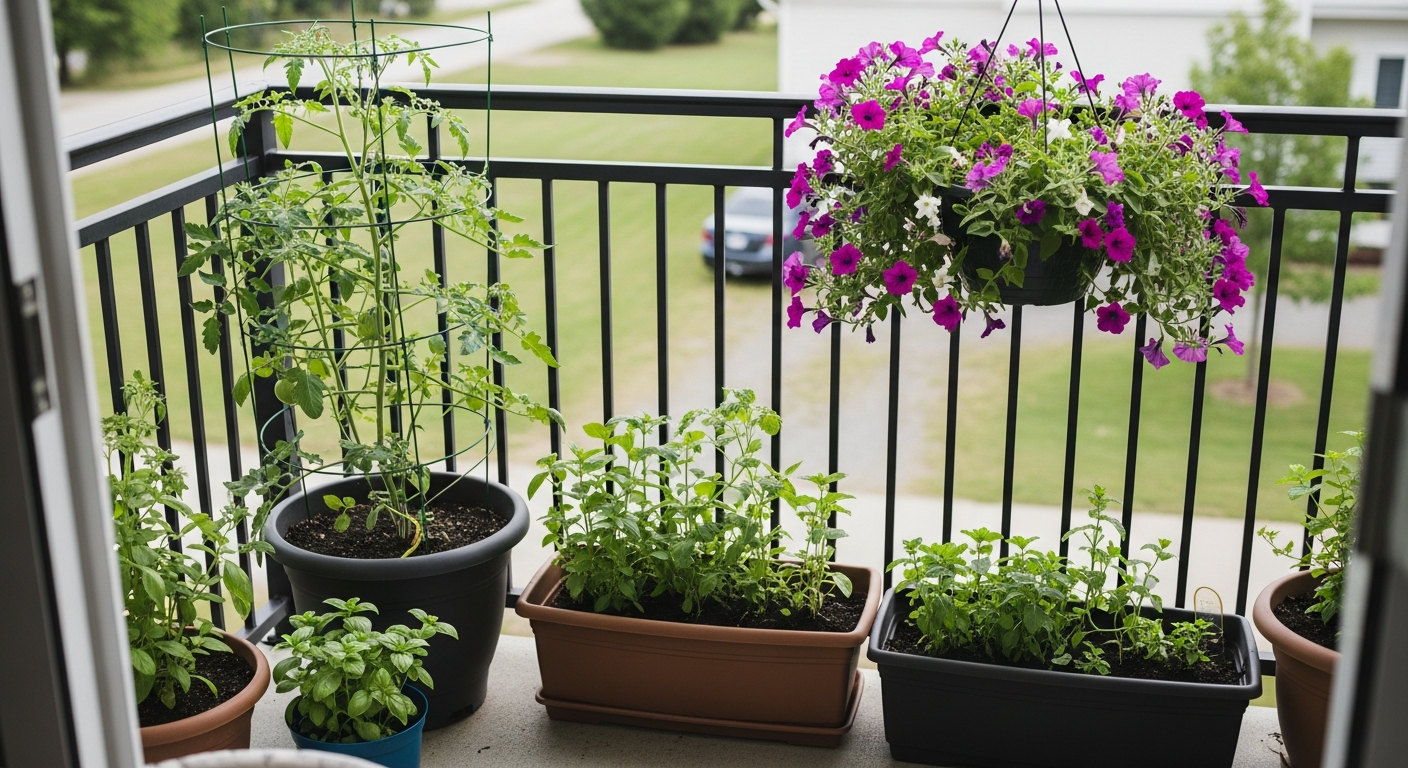
For those with limited space, such as on a balcony, patio, or small yard, container gardening offers a complete world of horticultural possibilities. Almost any plant—vegetable, herb, flower, or even small tree—can be grown in a container, provided it’s the right size.
- Core Principle: To create a controlled, portable micro-environment that allows plants to thrive in non-traditional spaces.
- Soil Requirements: Never use garden soil in a pot; it compacts and drains poorly. A high-quality potting mix is essential. It’s engineered to be lightweight, retain moisture, and provide aeration. Because nutrients leach out with every watering, container plants rely on you for regular fertilization, often with a balanced liquid fertilizer every 2-4 weeks during the growing season.
- Zone 8a Specifics: The summer sun can bake pots, stressing roots. Choose larger, light-colored containers that stay cooler. Terra cotta is beautiful but dries out very quickly here; glazed ceramic or plastic pots retain moisture better. Daily watering is often necessary in July and August. Consider self-watering containers to reduce the burden.
4. Raised Bed Gardening
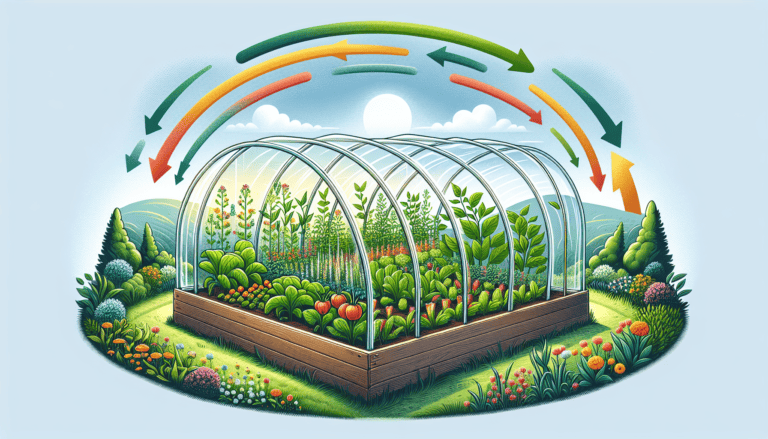
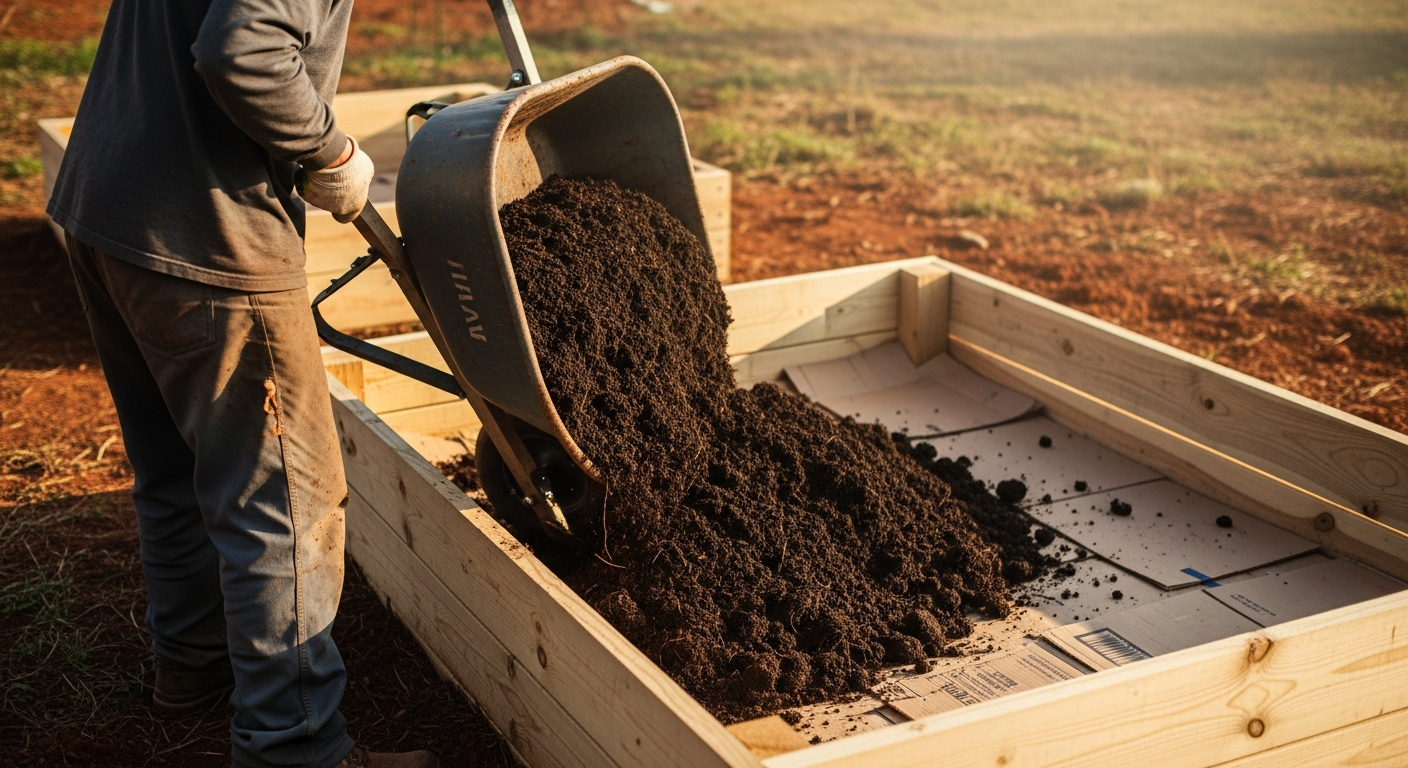
Raised bed gardening is a popular method that involves growing plants in soil that is higher than the natural ground level, typically contained within a frame. It’s a perfect solution for overcoming poor native soil, such as heavy clay or sand.
- Core Principle: To create a defined growing area with ideal soil conditions, improved drainage, and easier accessibility.
- Soil Requirements: You have complete control. The ideal mix, often called “garden gold,” is a blend of compost, topsoil, and an aeration element like perlite or pine bark fines. This custom soil warms earlier in the spring and resists compaction, allowing plant roots to thrive. A soil pH of 6.5 is a perfect target for most mixed vegetable beds.
- Zone 8a Specifics: Our native red clay is notoriously difficult to work. Raised beds allow you to bypass this issue entirely. The soil in raised beds will warm up faster in our mild springs, giving you a head start. However, they also dry out faster in the summer, so consistent watering or a drip irrigation system is highly recommended.
5. Native Plant Gardening
This ecological approach focuses on cultivating plants that are indigenous to your specific region. These plants have co-evolved with local wildlife, climate, and soil, making them resilient, low-maintenance, and incredibly beneficial for the ecosystem.
- Core Principle: To create a self-sustaining habitat that supports local biodiversity, including pollinators, birds, and beneficial insects, while conserving resources like water.
- Soil Requirements: The goal is to match the plant to your existing soil, not the other way around. If you have acidic clay, choose natives that thrive in acidic clay. Amending the soil is often unnecessary and can sometimes be detrimental to plants adapted to lean conditions.
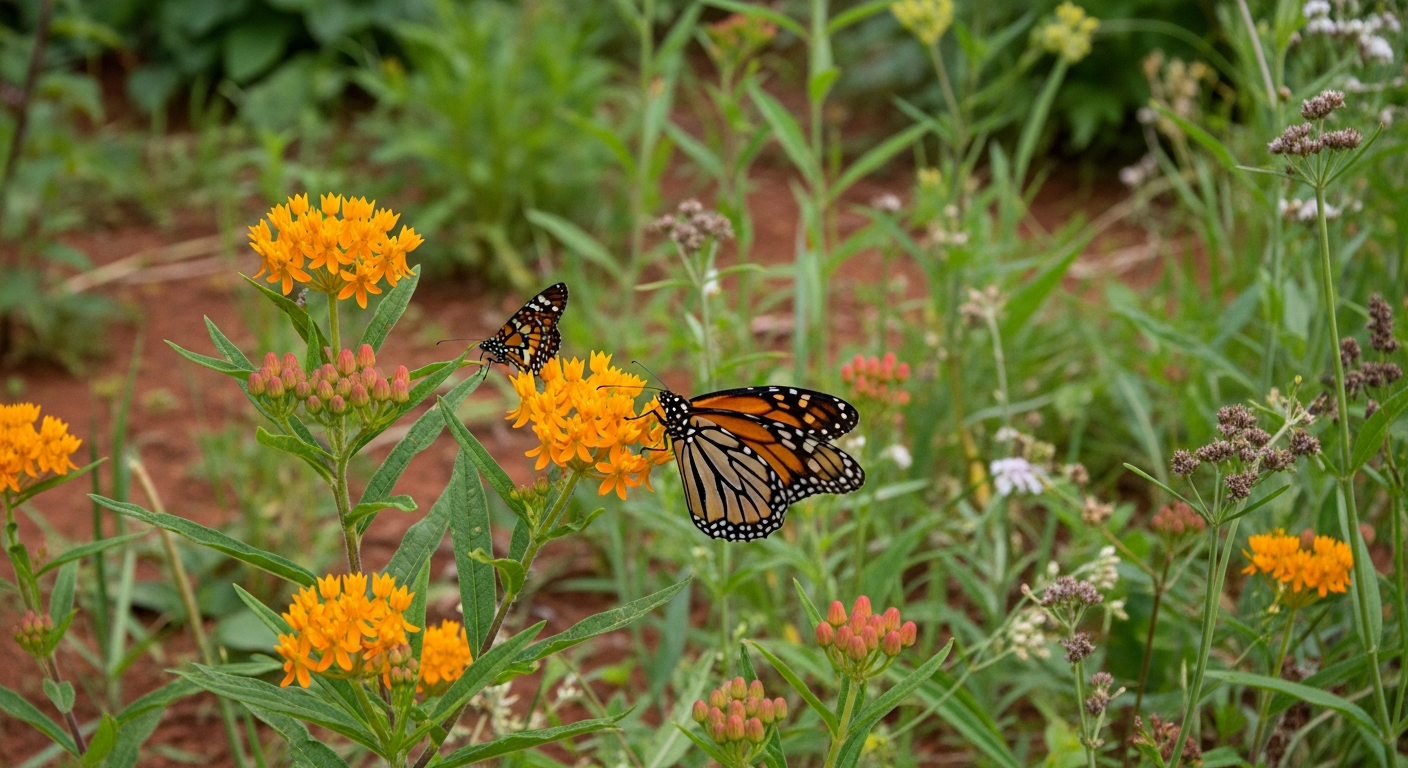
- Zone 8a Specifics: The Southeast is a biodiversity hotspot. We have stunning native options like Oakleaf Hydrangea (Hydrangea quercifolia), Black-eyed Susan (Rudbeckia hirta), and Milkweed (Asclepias tuberosa) for monarch butterflies. These plants are adapted to our summer heat and humidity and, once established, require significantly less supplemental water than non-native species.
6. Xeriscaping (Water-Wise Gardening)
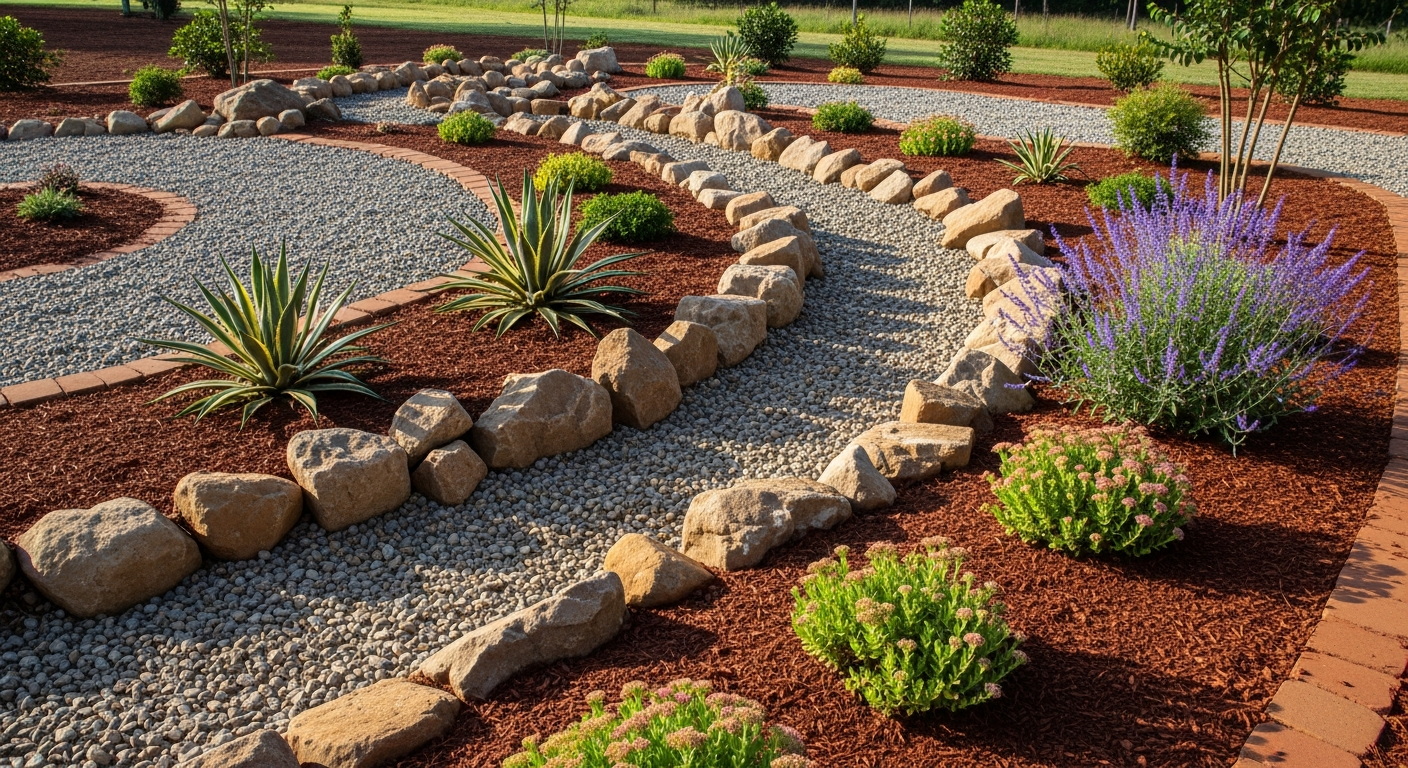
Often misunderstood as “zero-scaping” with just rocks and cacti, xeriscaping is actually a smart, beautiful gardening method focused on water conservation. It involves grouping plants by their water needs and using efficient irrigation techniques.
- Core Principle: To reduce or eliminate the need for supplemental irrigation through careful design and plant selection. This is achieved through seven key principles, including soil improvement, efficient irrigation, and use of mulches.
- Soil Requirements: Excellent drainage is paramount. For many drought-tolerant plants, amending heavy clay with sand or gravel is necessary to prevent root rot. Improving soil with organic matter helps it act like a sponge, holding water longer and making it available to plants when needed.
- Zone 8a Specifics: While we get ample rainfall, we also experience periods of intense summer drought. Xeriscaping is highly relevant here. We can use tough, beautiful plants like Rosemary (Salvia rosmarinus), Yarrow (Achillea millefolium), and ornamental grasses like Muhly Grass (Muhlenbergia capillaris) that thrive in heat and don’t require constant watering.
7. Permaculture Gardening
Permaculture is more than a gardening style; it’s a design philosophy that mimics the patterns and relationships found in nature. It aims to create agricultural ecosystems that are sustainable, self-sufficient, and harmonious.
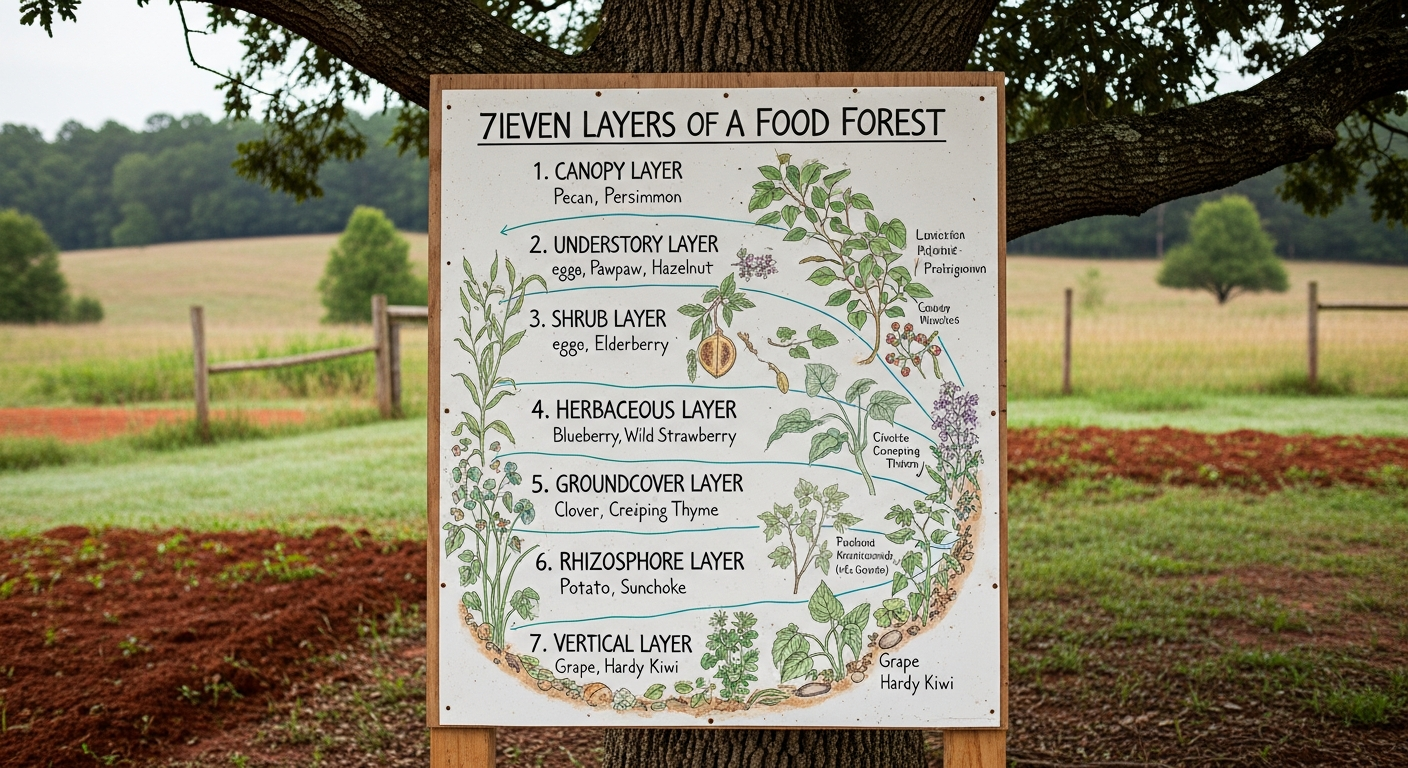
- Core Principle: To work with, rather than against, nature. It’s guided by three core ethics: Care for the Earth, Care for People, and Fair Share. Techniques include creating food forests with multiple layers (canopy, understory, shrubs, herbaceous, etc.), rainwater harvesting, and building soil through composting and no-till methods.
- Soil Requirements: The central focus is on building living soil. Permaculture heavily emphasizes creating a closed-loop system where waste (like kitchen scraps and fallen leaves) becomes a resource. Methods like sheet mulching or “lasagna gardening” build incredibly fertile, biologically active soil over time.
- Zone 8a Specifics: Our long growing season is ideal for establishing multi-layered food forests. We can grow canopy trees like Pecans (Carya illinoinensis), understory trees like Figs (Ficus carica), a shrub layer of Blueberries (Vaccinium corymbosum), and an herbaceous layer of Comfrey (Symphytum officinale) for mulch.
8. Indoor Gardening
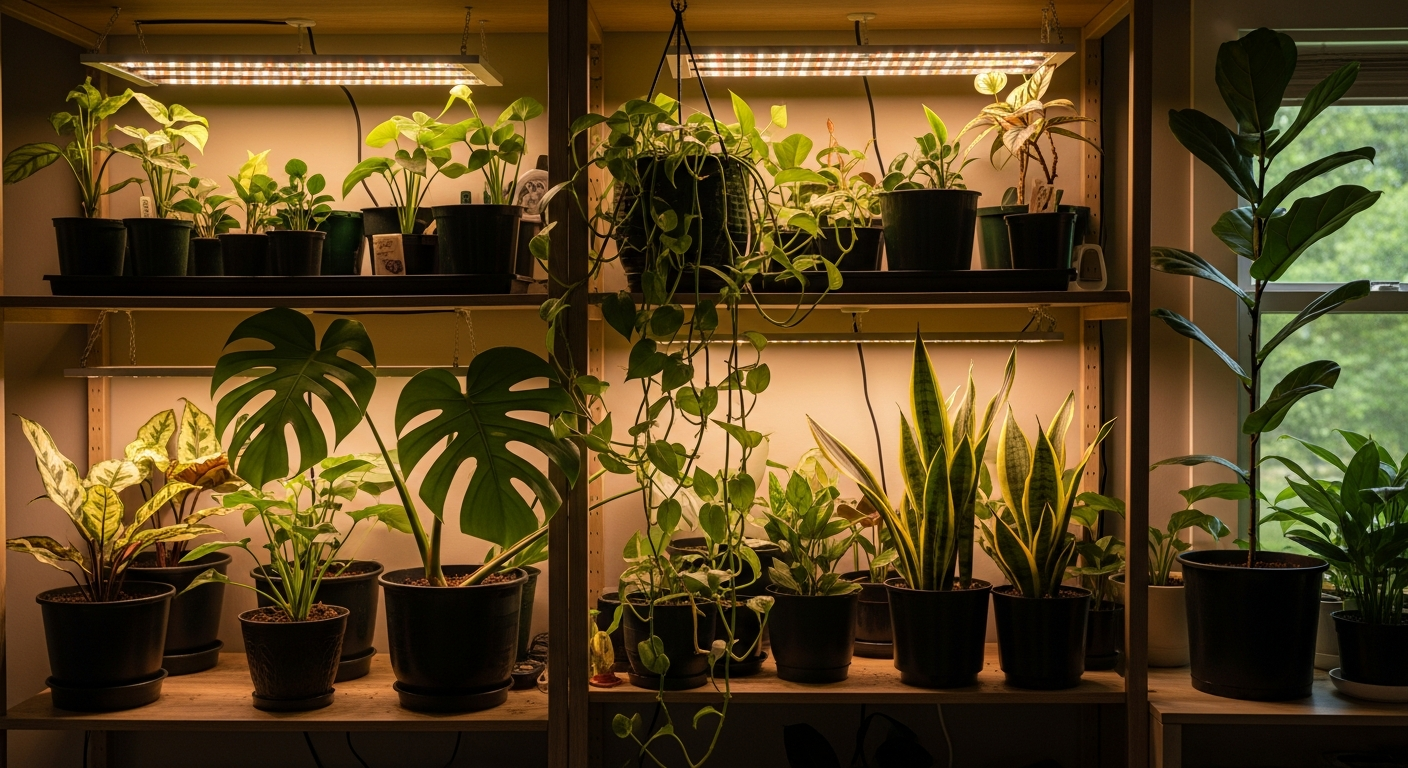
Indoor gardening involves growing plants entirely inside a home or other building. This includes common houseplants grown for their foliage, as well as more intensive setups like hydroponics or grow tents for producing food year-round.
- Core Principle: To manipulate an indoor environment—primarily light, water, and humidity—to successfully cultivate plants outside of their natural habitat.
- Site & Soil Requirements: Light is the most critical limiting factor. A south-facing window is prime real estate. Otherwise, full-spectrum grow lights are necessary. Like container gardening, a sterile, well-draining potting mix is used. Hydroponics forgoes soil entirely, using a nutrient-rich water solution to feed the plants directly.
- Zone 8a Specifics: While we don’t need to bring many plants indoors to survive winter, indoor gardening allows us to grow tropicals that wouldn’t survive even our mildest frost, like a Fiddle Leaf Fig (Ficus lyrata). Managing high indoor humidity during the summer can be a challenge, requiring good air circulation to prevent fungal issues on plants.
9. Cottage Gardening
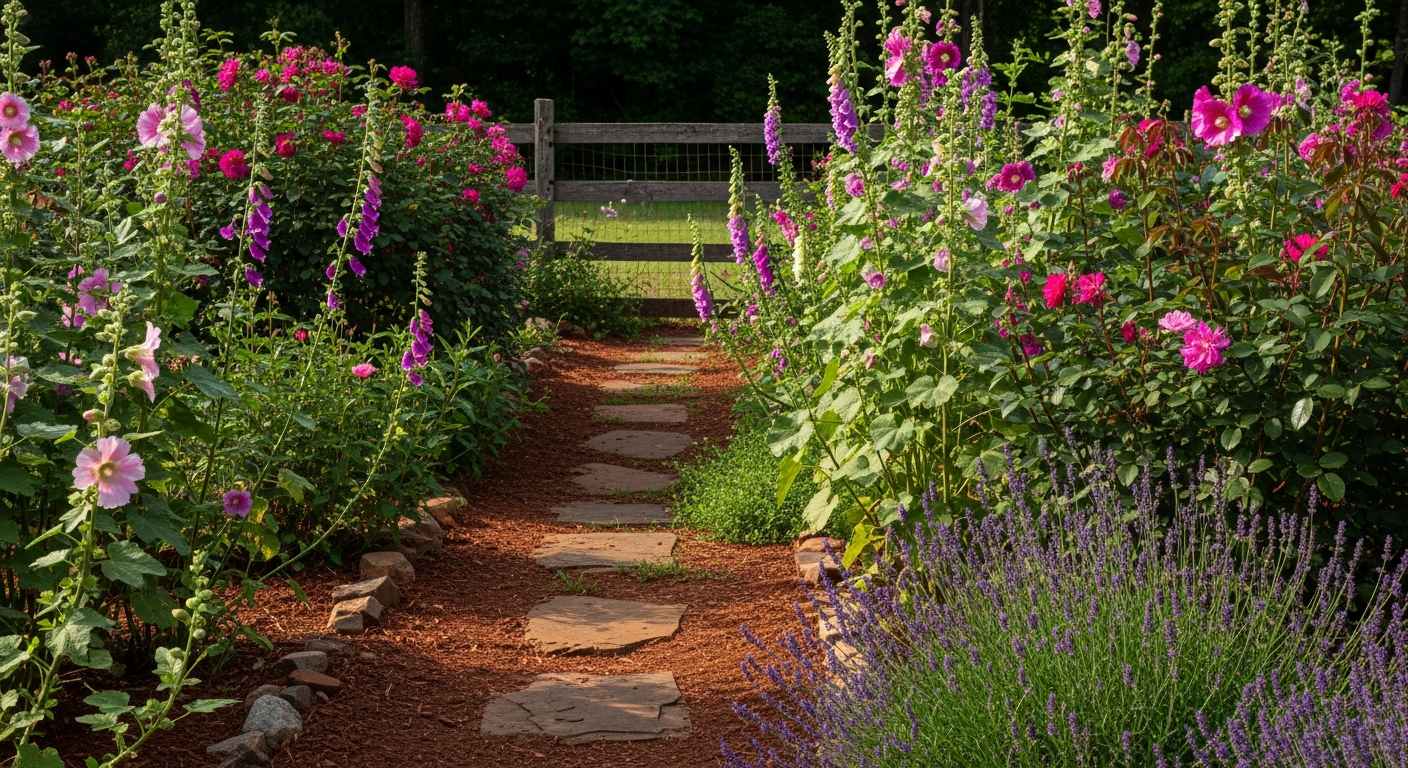
The cottage garden is a distinct style that uses an informal design, traditional materials, dense plantings, and a mixture of ornamental and edible plants. It’s characterized by a romantic, charming, and seemingly effortless grace.
- Core Principle: To create a productive, beautiful, and joyful space that feels abundant and personal. It eschews rigid structure in favor of overflowing beds and self-seeding volunteers.
- Soil Requirements: Rich, well-drained soil is the foundation for the vigorous growth that defines this style. Heavy and continuous amendment with compost and aged manure is key to supporting the densely packed plants.
- Zone 8a Specifics: The key to a successful cottage garden in our humidity is selecting disease-resistant varieties. For example, choose modern shrub roses bred for black spot resistance. Allow for ample space between plants despite the dense look to promote air circulation. Self-seeders like Larkspur (Consolida ajacis) and Poppies (Papaver rhoeas) do wonderfully in our climate.
10. Formal Gardening
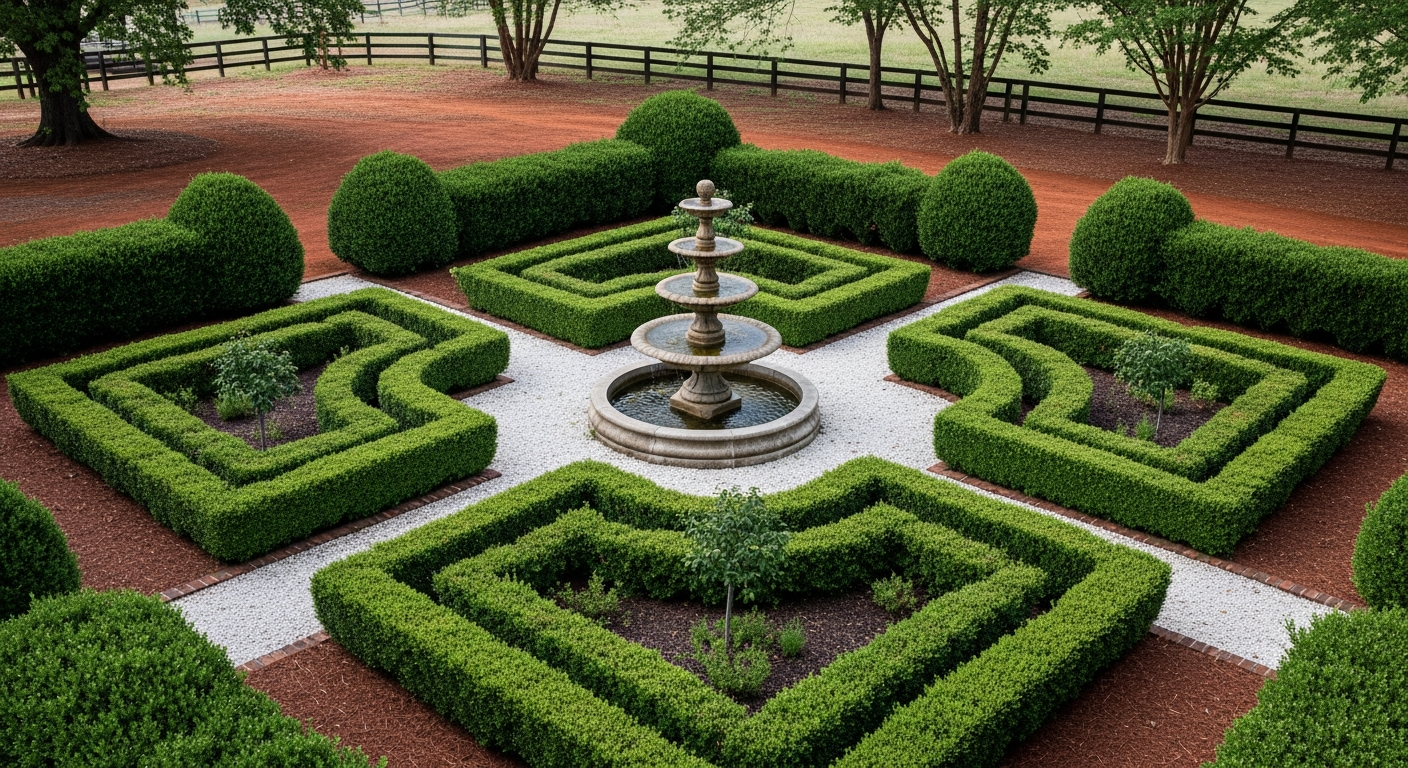
In direct contrast to the cottage style, formal gardening is defined by order, symmetry, and geometric shapes. It relies on principles of classical design, creating a sense of calm, control, and stately elegance. Think of the gardens of Versailles or Italian Renaissance estates.
- Core Principle: To impose order and human design upon the landscape through the use of clear geometric lines, symmetry, and repetition. This style often features manicured hedges, topiaries, and focal points like fountains or statues.
- Soil Requirements: Soil must be uniform and well-prepared to support the dense, repeated plantings of hedges and bedding plants. A consistent pH and nutrient profile across the entire design area is crucial for even growth.
- Zone 8a Specifics: Traditional Boxwood (Buxus sempervirens) hedges can suffer from boxwood blight in our humid conditions. Excellent, tough alternatives include native Yaupon Holly (Ilex vomitoria) or Japanese Holly (Ilex crenata). The strong sun and long season allow for bold tropical plants like Elephant Ears (Colocasia esculenta) to be used as dramatic summer focal points within formal beds.
Conclusion
These ten foundational styles are not rigid boxes; they are a palette of ideas and techniques. The most beautiful and functional gardens often blend elements from several styles. You might use raised beds (Style #4) for your edible garden (Style #1), surrounded by a border of native pollinators (Style #5), with a few beautiful containers (Style #3) on the patio. The key is to start with a scientific understanding of your site, a clear definition of your goals, and a commitment to building healthy soil. By doing so, you move beyond luck and begin to garden with intention, creating a space that is not only productive and beautiful but also a true reflection of your landscape and your spirit.
Frequently Asked Questions (FAQ)
- 1. What is the easiest type of gardening for a beginner?
- Container gardening or raised bed gardening are often the easiest for beginners. Both methods give you complete control over the soil, which is the biggest variable, and have a defined, manageable space that is less overwhelming than starting with an in-ground plot.
- 2. How do I know which style is right for my yard?
- Start with the scientific site analysis discussed above: test your soil and map your sun. If you have poor, heavy clay soil, raised beds are a great choice. If you have a very sunny, dry area and want to conserve water, xeriscaping is ideal. If you are passionate about wildlife, a native plant garden is the perfect fit. Your site’s conditions and your personal goals will point you to the right style.
- 3. Can I mix different gardening styles?
- Absolutely! The best gardens are often a hybrid. For example, you can have a formal layout of raised beds for your vegetable garden, incorporating cottage-style companion planting within the beds. The styles are a framework, not a set of rigid rules.
- 4. What is the difference between permaculture and organic gardening?
- Organic gardening is a set of practices focused on avoiding synthetic fertilizers and pesticides. Permaculture is a broader design philosophy that includes organic practices but also focuses on creating whole, self-sustaining ecosystems that mimic nature. All permaculture is organic, but not all organic gardening is permaculture.
- 5. How much sun do I really need for a vegetable garden?
- For fruiting vegetables like tomatoes, peppers, and squash, you need a minimum of 6-8 hours of direct, unfiltered sunlight per day. Leafy greens (lettuce, spinach) and root vegetables (carrots, radishes) can often get by with 4-6 hours, but more sun is generally better.
- 6. Is native plant gardening just for wild, messy-looking gardens?
- Not at all. While native plants are perfect for naturalistic meadows, many can be incorporated into formal or traditional garden designs. Plants like Coneflower (Echinacea), Coral Bells (Heuchera), and many ornamental grasses have a neat, tidy habit that works well in structured ornamental beds.
- 7. What’s the most important thing to do before I start any garden?
- Get a soil test. I cannot overstate this. It is the single most important piece of data you can have. It costs very little and will save you hundreds of dollars and immense frustration by telling you exactly what your soil needs to support healthy plants.
- 8. Does xeriscaping mean I can’t have flowers?
- Quite the opposite! There is a huge palette of beautiful, flowering, drought-tolerant plants. Yarrow, Lavender, Russian Sage, Gaura, and many types of Salvia and Penstemon provide stunning color and texture while requiring very little water once established.