How to Grow Lettuce: A Complete Guide for a Crisp, Continuous Harvest
How to Grow Lettuce: A Complete Guide for a Crisp, Continuous Harvest
Hello, fellow gardeners. It’s Dr. Elena Vance. There are few things more satisfying than stepping into your own garden to harvest crisp, vibrant leaves for a salad, just moments before you eat it. Growing lettuce, or Lactuca sativa as we know it botanically, is one of the most rewarding ventures for both new and experienced gardeners. It’s a fast-growing, cool-season crop that, with a bit of knowledge, can provide a continuous harvest from early spring through late fall, even here in my Zone 8a garden. This guide will walk you through everything you need to know, from the soil up, to ensure your lettuce patch is a resounding success.
Key Takeaways
- Variety is Vital: Selecting the right type of lettuce for your climate and season (e.g., heat-tolerant loose-leaf for summer, crispheads for cool spring) is the single most important factor for success.
- Cool Roots & Consistent Moisture: Lettuce has a shallow root system and will bolt (flower) and turn bitter in hot, dry conditions. The key is to keep the soil consistently moist and cool through regular watering and mulching.
- Succession Planting is Your Secret Weapon: To avoid having all your lettuce mature at once, plant small batches of seeds every 10-14 days. This ensures a continuous supply of fresh leaves throughout the growing season.
The Deep Dive: From Seed to Salad Bowl
Let’s get our hands dirty and break down the process step-by-step. Growing perfect lettuce is a science, but it’s one that anyone can master.
1. Selecting The Right Lettuce Variety (Lactuca sativa)
The first step is choosing your champion. Not all lettuces are created equal, especially when it comes to climate. Understanding the four main types is crucial.
- Loose-leaf (L. sativa var. crispa): This is the easiest and fastest type to grow, perfect for beginners. You can harvest individual outer leaves, and the plant will continue producing from the center. Varieties like ‘Black Seed Simpson’ and the heat-tolerant ‘Oakleaf’ are excellent choices.
- Butterhead (or Bibb) (L. sativa var. capitata): These form small, loose heads with a wonderfully soft, buttery texture. They are relatively heat tolerant. ‘Buttercrunch’ is a classic, reliable variety that holds well.
- Romaine (or Cos) (L. sativa var. longifolia): Known for its upright growth and crunchy central rib, Romaine is a garden staple. It has good heat tolerance compared to crispheads. ‘Parris Island Cos’ is a popular and disease-resistant option.
- Crisphead (or Iceberg) (L. sativa var. capitata): This is the most challenging type to grow at home as it requires a long, cool growing season to form its characteristic tight, crisp heads. They are highly susceptible to bolting in the heat. If you have a long, mild spring, try a variety like ‘Great Lakes’.
2. Preparing The Perfect Soil and Site
Lettuce is not a particularly heavy feeder, but it thrives in soil that is rich in organic matter and drains well. The ideal soil environment is the foundation of a healthy plant.
- Soil Composition: Aim for a loose, loamy soil. Before planting, amend your garden bed with 2-3 inches of well-rotted compost or manure. This improves drainage, adds essential nutrients, and helps retain the consistent moisture that lettuce loves.
- Soil pH: Lettuce prefers a slightly acidic to neutral soil pH, ideally between 6.0 and 6.8. If you’re unsure of your soil’s pH, a simple home test kit is a worthwhile investment. You can raise pH with lime or lower it with sulfur, following package directions.
- Sunlight: Plant in a location that receives at least 6 hours of direct sunlight per day during the cool spring and fall months. If you plan to grow into the warmer months, a spot with morning sun and afternoon shade is ideal to protect the plants from the intense heat that encourages bolting.
3. Planting: Seeds vs. Starts and Succession Planting
You can start lettuce from seeds directly in the garden or from transplants (starts) purchased at a nursery. For a continuous harvest, succession planting is non-negotiable.
- Direct Sowing Seeds: As soon as the soil can be worked in early spring, sow seeds about 1/8 to 1/4 inch deep. Lettuce seeds need light to germinate, so don’t plant them too deep. Space them about an inch apart in rows, and once they develop their first true leaves, thin them to the proper final spacing (4-6 inches for loose-leaf, 8-12 inches for heading types).
- Using Transplants: For a head start, you can use seedlings. Plant them at the same depth they were in their container, being careful not to bury the crown (where the leaves emerge from the base), which can lead to rot.
- The Art of Succession Planting: This is the key to having salad all season. Every 10-14 days, sow a new short row of lettuce seeds. As one batch is nearing its end, the next will be ready for harvesting. This simple technique prevents a feast-or-famine situation in your garden.
4. Essential Care: Watering, Fertilizing, and Mulching
Consistent care is what separates sad, wilted lettuce from a crisp, abundant crop.
- Watering: Lettuce is about 95% water, so consistent moisture is critical. Provide about 1 inch of water per week, either from rain or irrigation. The soil should feel like a wrung-out sponge—moist, but not waterlogged. Overwatering can lead to root rot, so good drainage is essential.
- Fertilizing: If you’ve prepared your soil with plenty of compost, you may not need much additional fertilizer. However, for an extra boost, you can feed your plants with a balanced liquid fertilizer (like a fish emulsion) diluted to half-strength every 2-3 weeks. Lettuce needs nitrogen for healthy leaf growth.
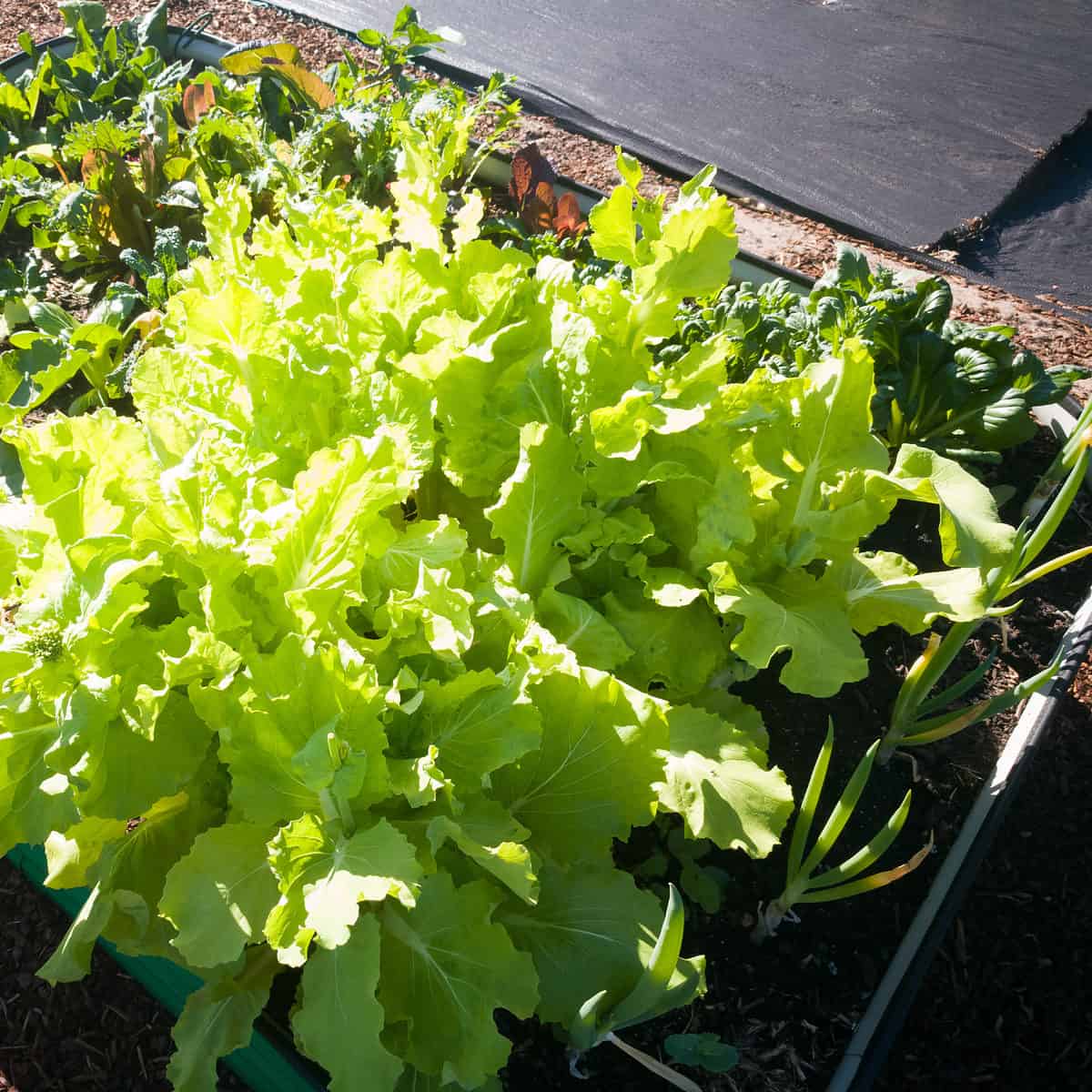
- Mulching: Once your lettuce plants are a few inches tall, apply a 1-2 inch layer of organic mulch, such as straw or shredded leaves. Mulch is a gardener’s best friend: it suppresses weeds, retains soil moisture, and most importantly for lettuce, keeps the soil and roots cool.
5. Managing Common Pests and Diseases
Vigilance is key. A healthy garden is your best defense, but sometimes pests and diseases show up. Here’s how to handle the most common culprits organically.
- Aphids: These tiny, sap-sucking insects often hide on the undersides of leaves. A strong blast of water from the hose can dislodge them. For heavier infestations, insecticidal soap is an effective organic control.
- Slugs and Snails: These nocturnal pests leave tell-tale holes and slime trails. Hand-pick them in the evening or early morning. You can also set beer traps (a shallow dish of beer buried to the rim) or use slug baits containing iron phosphate, which is safe for wildlife and pets.
- Fungal Diseases (e.g., Powdery Mildew): To prevent fungal issues, ensure good air circulation by properly spacing your plants. Water the soil, not the leaves, and do so in the morning so the foliage can dry quickly. If mildew appears, remove affected leaves immediately.
6. Harvesting for Peak Freshness and Extended Yield
The best part! Harvesting correctly can prolong your plant’s life and ensure the best flavor.
- Best Time to Harvest: Harvest in the cool of the morning. The leaves will be fully hydrated, crisp, and sweet. Harvesting in the afternoon heat can result in limp, slightly bitter leaves.
- ‘Cut-and-Come-Again’ Method: For loose-leaf, butterhead, and romaine varieties, you can begin harvesting the outer leaves once they reach about 4-6 inches long. Use scissors or your fingers to snip them off at the base. Leave the central growing point intact, and the plant will continue to produce new leaves for weeks.
- Harvesting Full Heads: For crisphead and for a full head of other types, wait until the head is firm and has reached the desired size. Use a sharp knife to cut the entire plant off at the soil level.
- Watch for Bolting: When temperatures rise, lettuce plants will try to reproduce by sending up a tall flower stalk from the center. This is called ‘bolting’. Once this process begins, the leaves turn bitter. Harvest the entire plant immediately if you see signs of bolting.
Conclusion
Growing your own lettuce is a simple joy that connects you directly to your food. By choosing the right varieties for your climate, preparing your soil with care, and maintaining consistent moisture, you can easily cultivate a thriving lettuce patch. Remember the power of succession planting for a harvest that lasts all season. There is nothing quite like the flavor and crunch of a truly fresh-picked salad. Happy gardening!
Frequently Asked Questions (FAQ)
- 1. Why is my homegrown lettuce bitter?
- Bitterness in lettuce is almost always caused by stress, primarily from heat. When the plant begins to ‘bolt’ (send up a flower stalk), it produces bitter compounds. To prevent this, plant heat-tolerant varieties, provide afternoon shade, and keep the soil consistently moist and cool with mulch.
- 2. How often should I water lettuce?
- Aim to provide about 1 inch of water per week. The key is consistency. The soil should never completely dry out. Check the soil daily by sticking your finger in an inch or two; if it’s dry, it’s time to water.
- 3. Can I grow lettuce in containers or pots?
- Absolutely! Lettuce is an excellent container plant. Choose a pot at least 6-8 inches deep with good drainage holes. Loose-leaf varieties are particularly well-suited for containers. Use a quality potting mix and be aware that containers dry out faster than garden beds, so you may need to water more frequently.
- 4. What is the easiest type of lettuce for a beginner to grow?
- Loose-leaf lettuce, such as ‘Black Seed Simpson’ or ‘Oakleaf’, is by far the easiest. It grows quickly, is less prone to bolting, and you can harvest it over a long period using the ‘cut-and-come-again’ method.
- 5. How do I stop slugs from eating my lettuce?
- Create a barrier with crushed eggshells or diatomaceous earth around your plants. You can also set beer traps or hand-pick them off plants in the evening. Using an organic slug bait containing iron phosphate is also a very effective and safe option.
- 6. How long does lettuce take to grow from seed?
- It varies by type. Loose-leaf lettuce can be ready for a ‘baby leaf’ harvest in as little as 30 days and fully mature in 45-60 days. Heading types like Romaine and Crisphead take longer, typically 70-85 days.
- 7. What does it mean when lettuce ‘bolts’?
- Bolting is the natural process of a plant shifting from vegetative growth (making leaves) to reproductive growth (making flowers and seeds). In lettuce, this is triggered by heat and long day length. A flower stalk shoots up from the center, and the leaves become bitter and inedible.
- 8. What is the best fertilizer for lettuce?
- A balanced fertilizer is good, but one that is slightly higher in nitrogen is ideal for promoting lush leaf growth. A diluted liquid fish emulsion or a compost tea applied every few weeks works wonderfully.