A Homesteader’s Guide to Goat Milk Products: Benefits for Skin, Health, and Home
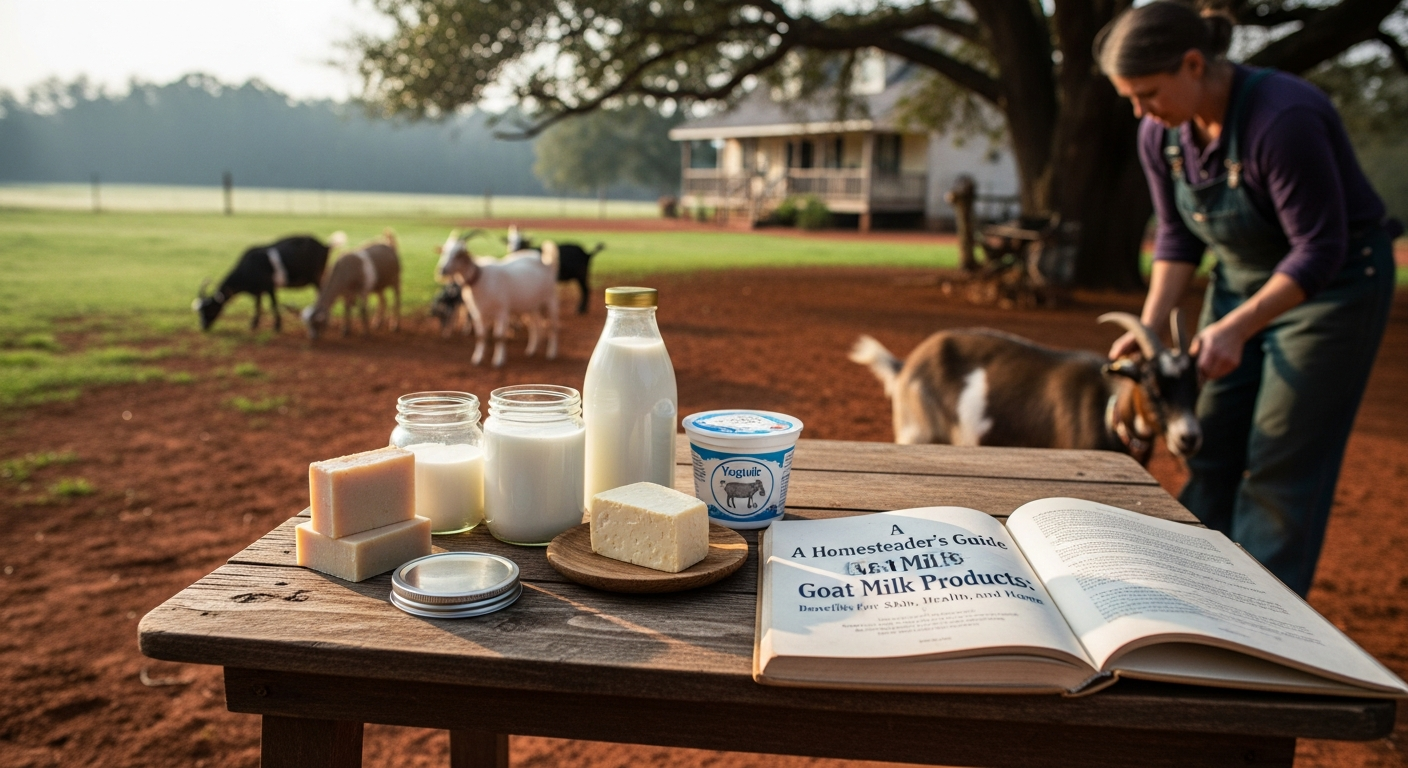
Down here on the homestead, every animal and every plant has a purpose, and Lord knows, our goats are some of the hardest workers around. They give us so much more than just their charming personalities. They give us rich, creamy milk that is a true gift from the land. Y’all might think of it just for drinkin’, but that’s only the beginning of the story. From the kitchen pantry to the medicine cabinet, goat milk products are a cornerstone of a self-sufficient life, offering nourishment for your body inside and out.
Key Takeaways
- Superior Digestibility: Goat milk contains smaller fat globules and a different protein structure (primarily A2 casein) than cow’s milk, making it naturally easier for many people to digest, especially those with sensitivities.
- Potent Skincare Properties: Rich in fatty acids, lactic acid (an alpha-hydroxy acid), and essential vitamins like A and D, goat milk products naturally moisturize, gently exfoliate, and soothe sensitive or irritated skin conditions like eczema and psoriasis.
- Homestead Versatility: Goat milk is an incredibly versatile ingredient for the self-sufficient home, easily transformed into a wide array of edible products like cheese, yogurt, and kefir, as well as non-edible goods like soaps and lotions.
The Deep Dive: Unlocking the Goodness of Goat Milk
For generations, folks have known the secret of goat milk. It’s not a new fad; it’s a return to tradition. Let’s walk through why this humble milk is such a powerhouse and all the wonderful things you can do with it.
Section 1: The Nutritional Powerhouse – Why We Drink Goat Milk
Before we even get to the soaps and lotions, let’s talk about what goat milk does for your body from the inside. It’s what I give my grandkids, and for good reason. The very structure of the milk makes it a gentler, more nutrient-dense choice for many.
1. Easier on the Tummy
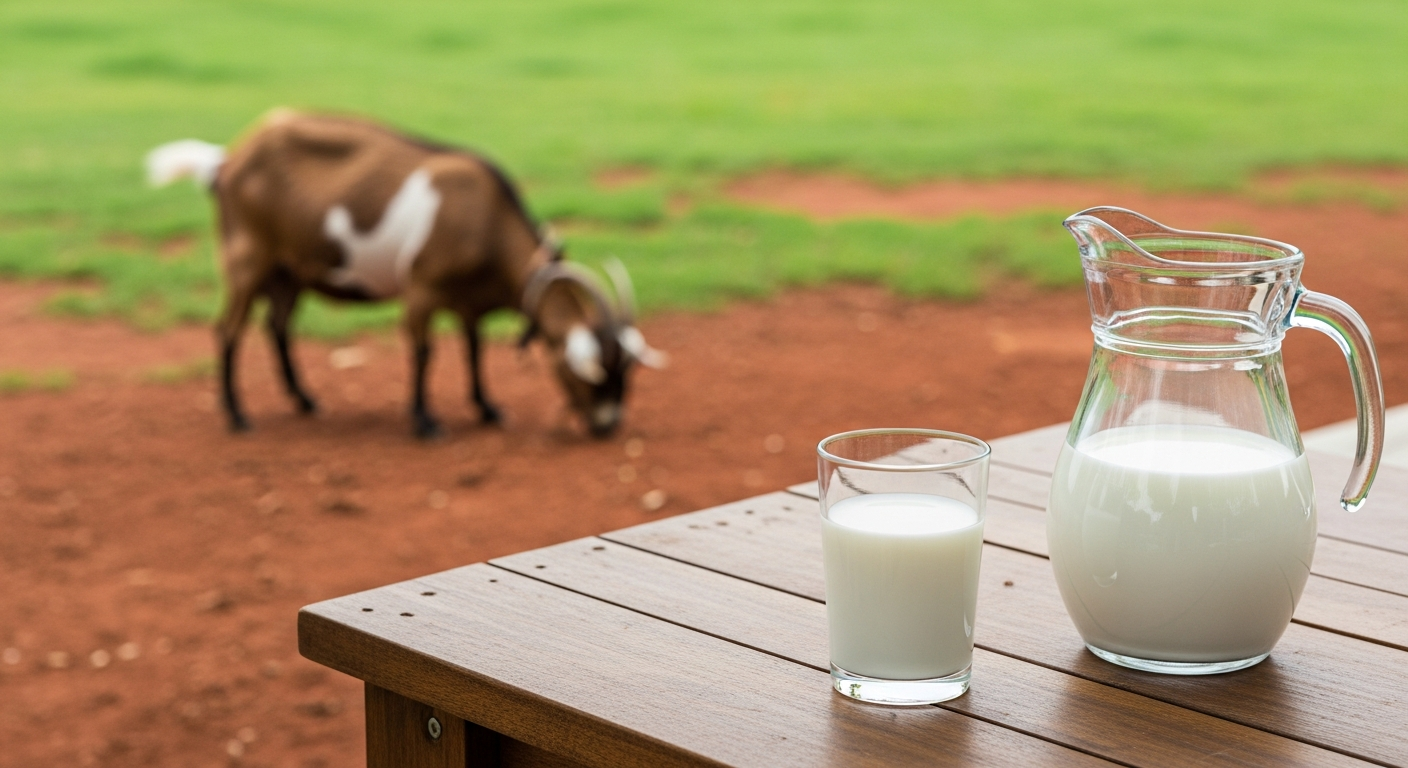
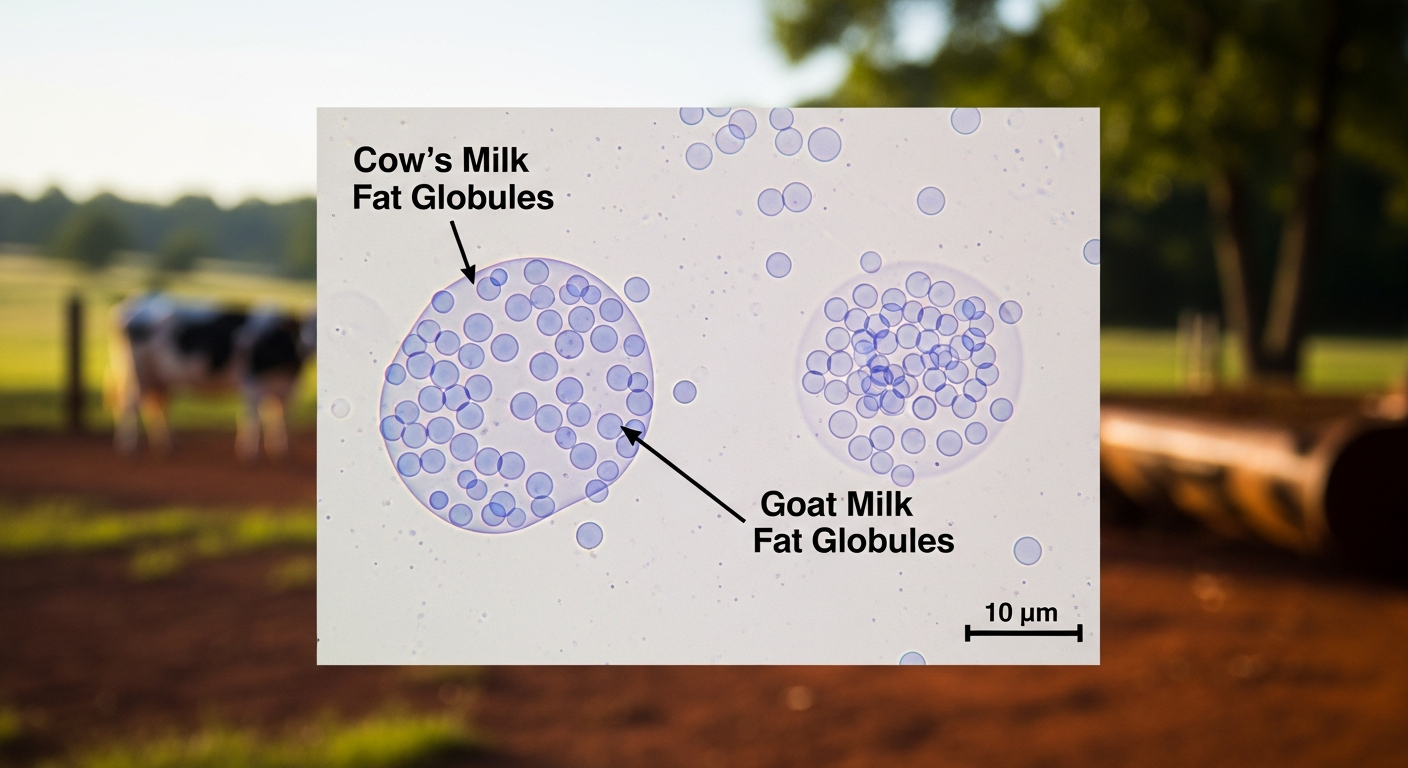
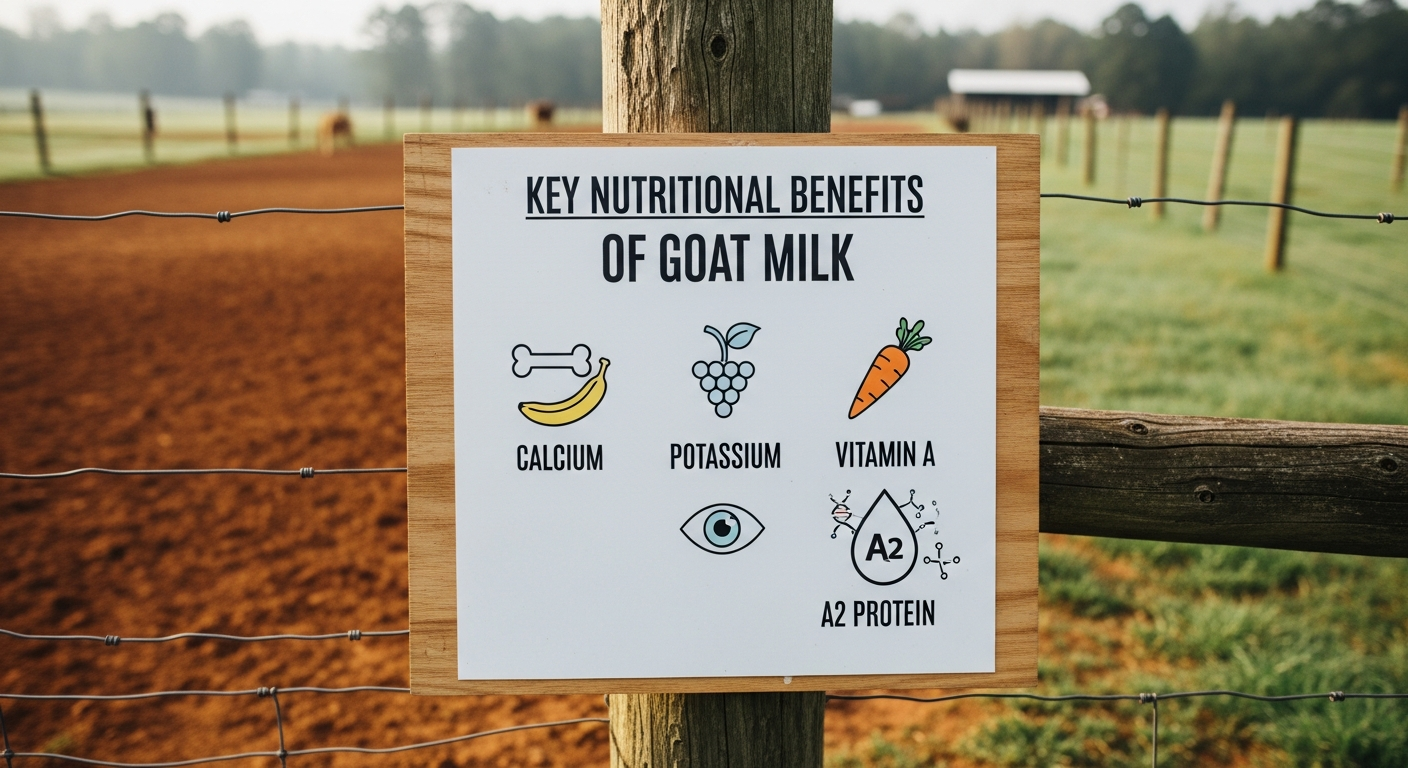
Many people who think they’re lactose intolerant are actually sensitive to the A1 casein protein found in most cow’s milk. Goat milk is naturally high in A2 casein, which is molecularly more similar to human milk. This, combined with smaller fat globules that don’t clump together, means your body has a much easier time breaking it down. Less tummy trouble is always a blessing!
2. Packed with Goodness
Don’t let its gentle nature fool you; goat milk is a nutritional giant. It’s brimming with essential vitamins and minerals. Per cup, it often contains more calcium, potassium, and vitamin A than cow’s milk. It’s also a wonderful source of medium-chain triglycerides (MCTs), which are healthy fats that can provide a quick source of energy.
3. Prebiotic Power
Goat milk contains special carbohydrates called oligosaccharides. Now that’s a mouthful, but what it means is simple: these act as prebiotics in your gut. They help feed the good bacteria, promoting a healthy digestive system from the inside out. A happy gut means a happy homesteader.
Section 2: From the Milk Pail to the Pantry – Edible Goat Milk Creations
Now for the fun part! Transforming that fresh milk into delicious, long-lasting food is one of the great joys of homesteading. It’s a way to preserve the harvest and stock your pantry with wholesome goodness. Y’all will be amazed at what you can create.
1. Soft Goat Cheese (Chèvre)
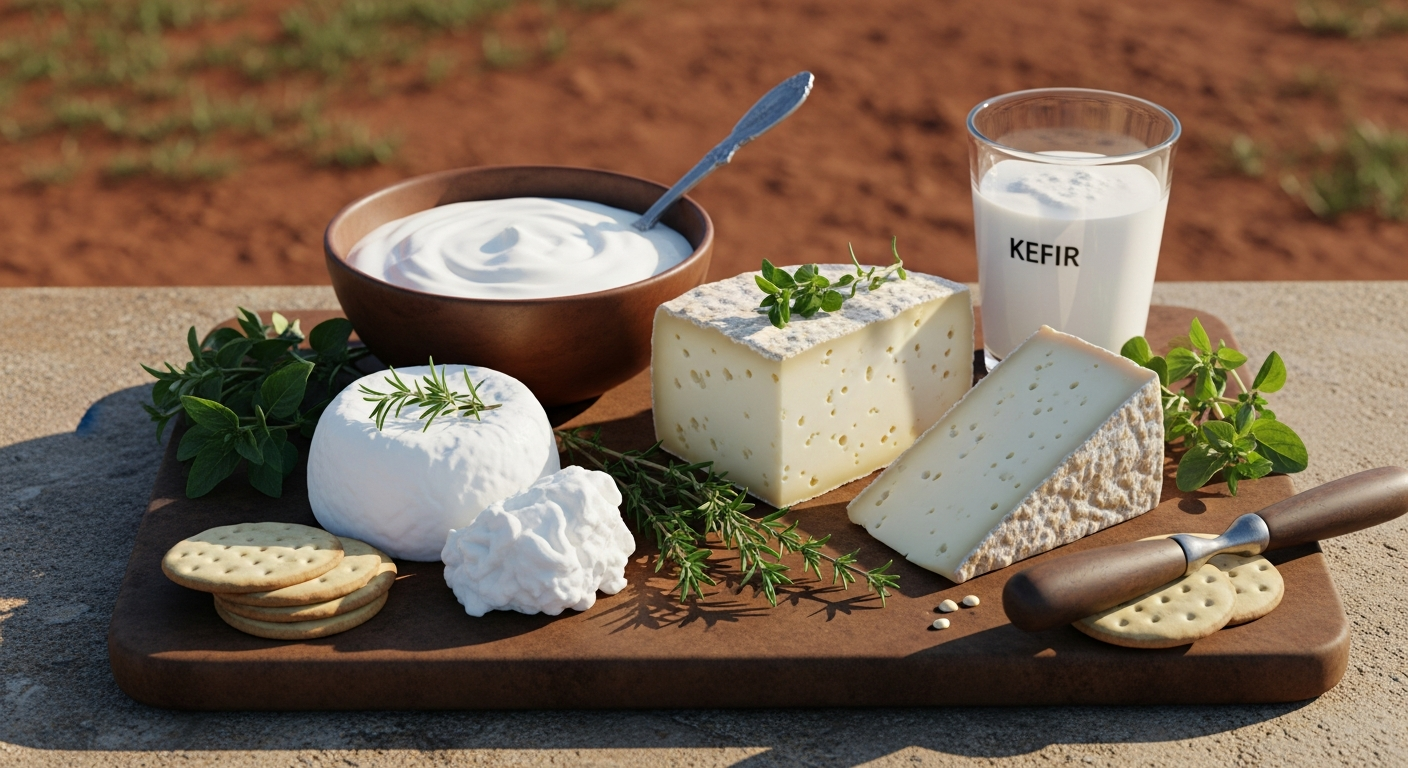
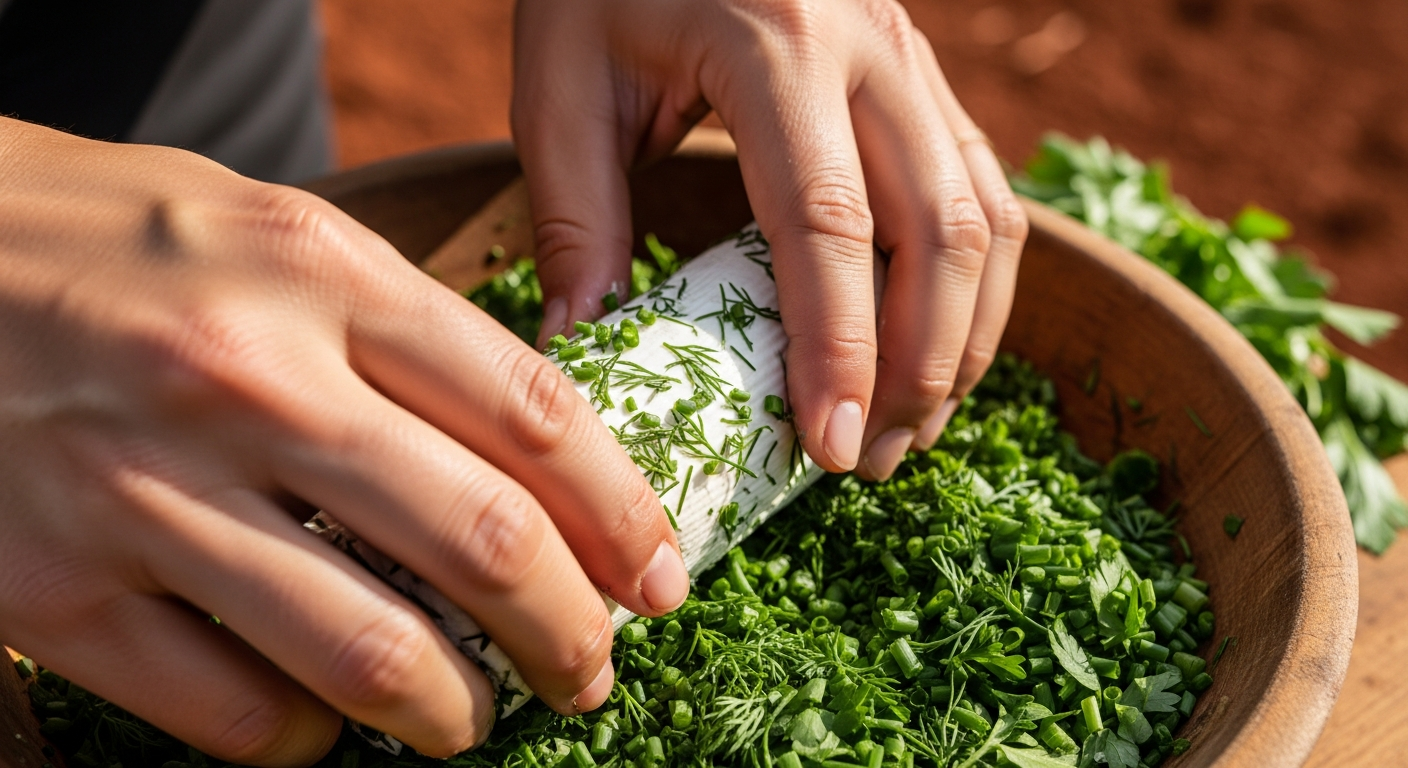
This is the classic, and it’s easier to make than you think. All you need is fresh goat milk, a little bit of starter culture, and some rennet. The process involves gently heating the milk, adding the culture and rennet, and letting it sit until a curd forms. Then, you drain the whey, salt the curd, and you have fresh, tangy chèvre! It’s perfect on crackers, in salads, or mixed with herbs from the garden.
2. Creamy Goat Milk Yogurt
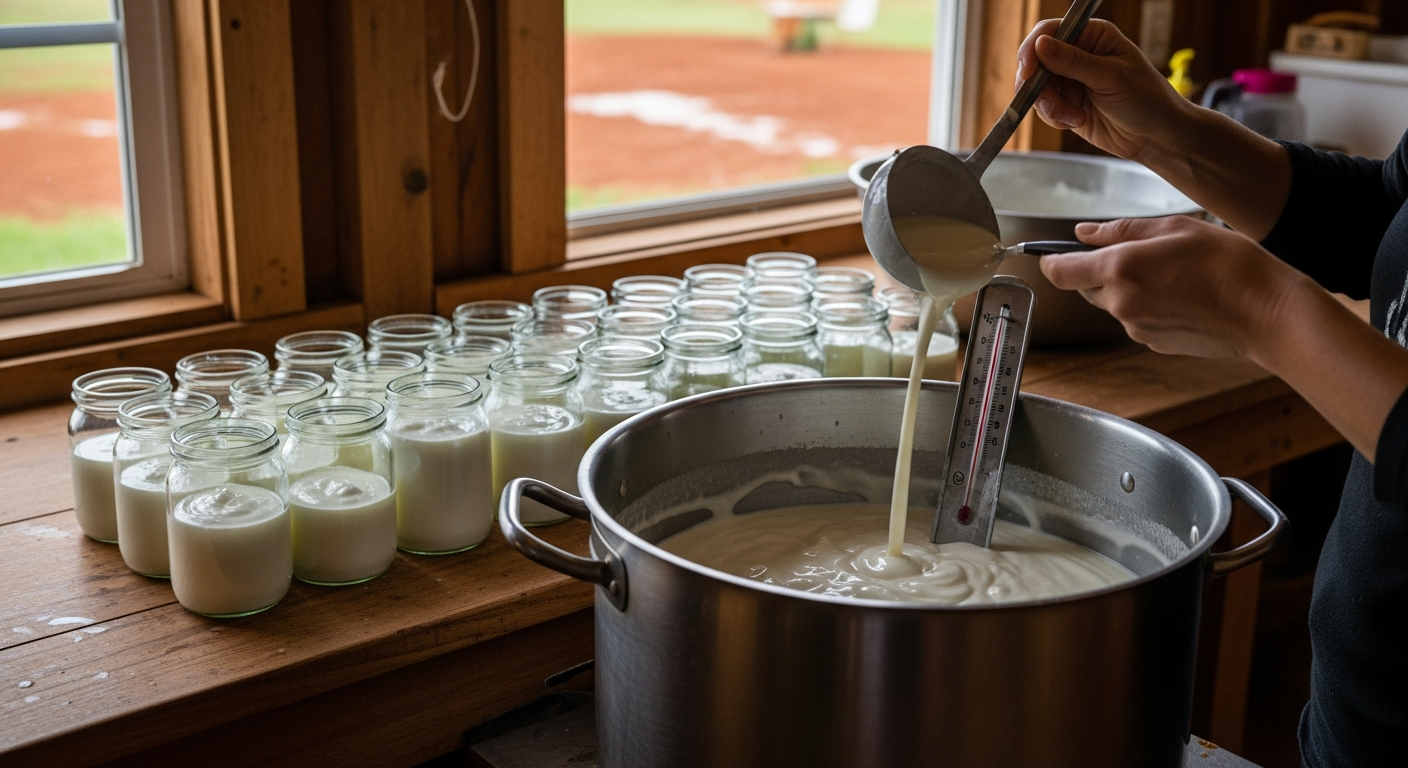
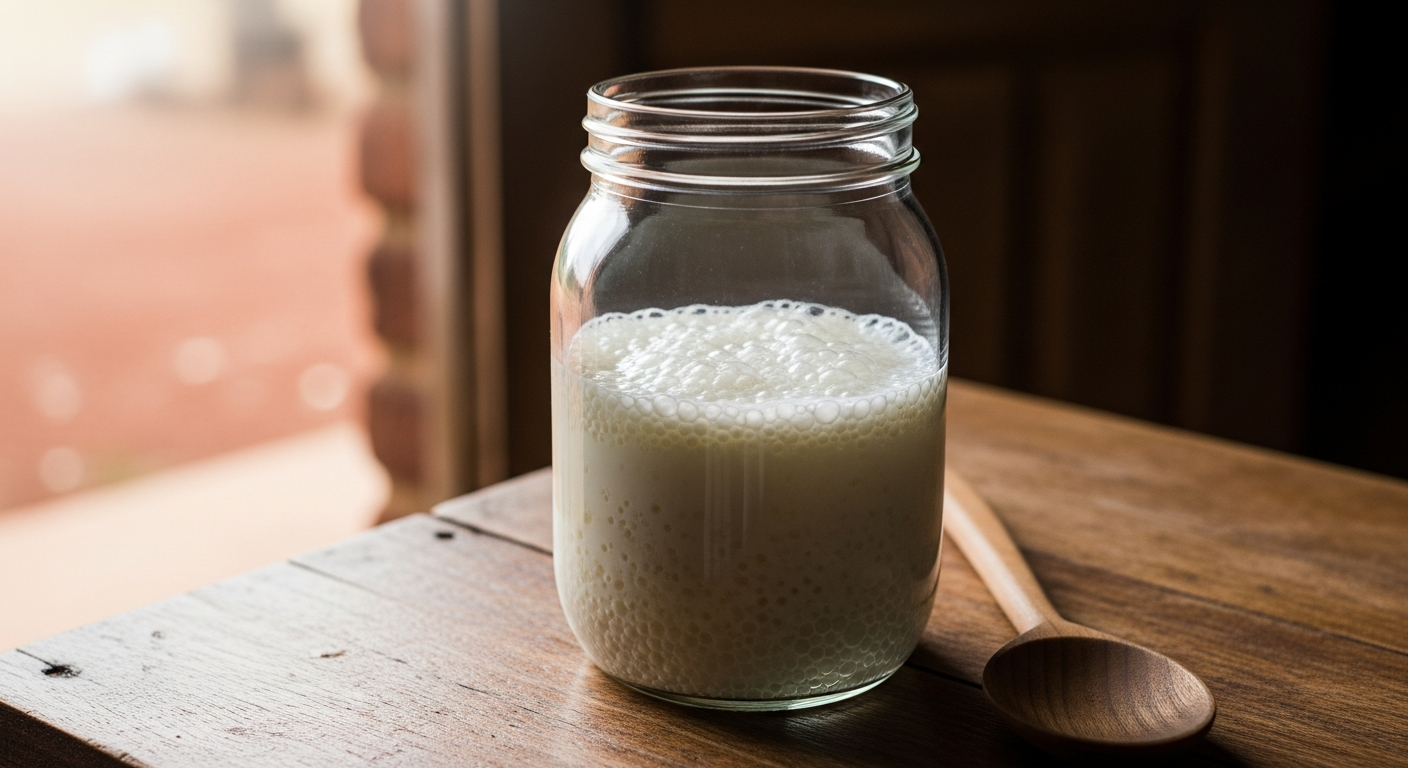
If you’ve never had homemade goat milk yogurt, you are in for a treat. It’s thinner than cow’s milk yogurt but has a wonderful, mild flavor. The process is similar: heat the milk, cool it to the right temperature (about 110°F), stir in your yogurt starter culture, and then keep it warm for several hours to let those good bacteria do their work. I like to keep mine in a thermos or a turned-off oven with the light on.
3. Probiotic-Rich Kefir
Kefir is a fermented milk drink that’s like a supercharged, drinkable yogurt. You make it using “kefir grains,” which aren’t grains at all but a symbiotic culture of bacteria and yeast. You simply add the grains to your milk and let it sit at room temperature for about 24 hours. Strain out the grains (you can use them again and again!), and you have a tangy, fizzy, probiotic-packed drink that your gut will thank you for.
Section 3: The Skincare Secret – Why Your Skin Loves Goat Milk
For years, the best-kept secret for soft, healthy skin wasn’t found in a fancy department store; it was out in the barn. The same properties that make goat milk so nourishing to drink make it a miracle for your skin. This is where the original article had the right idea, but let’s dig a little deeper, darlin’.
1. Deep, Lasting Moisturization
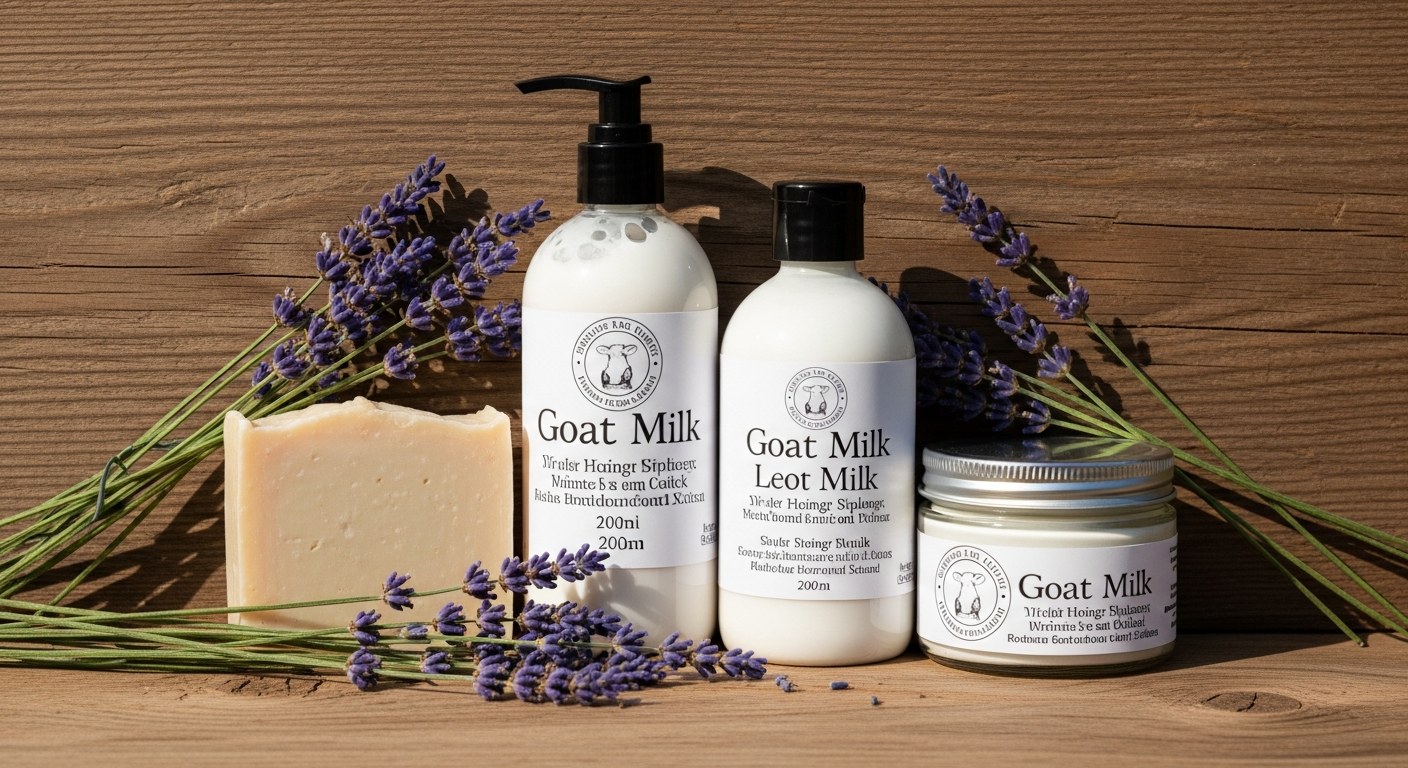
Goat milk is full of wonderful fatty acids and proteins that create a natural moisture barrier on your skin. Unlike water-based lotions that can evaporate, these fats penetrate the skin’s surface, helping to moisturize and nourish from within. The cream in the milk contains triglycerides that are easily absorbed, leaving your skin feeling soft and supple, not greasy. This makes it a perfect choice for anyone with dry or dehydrated skin.
2. Gentle Exfoliation for a Healthy Glow
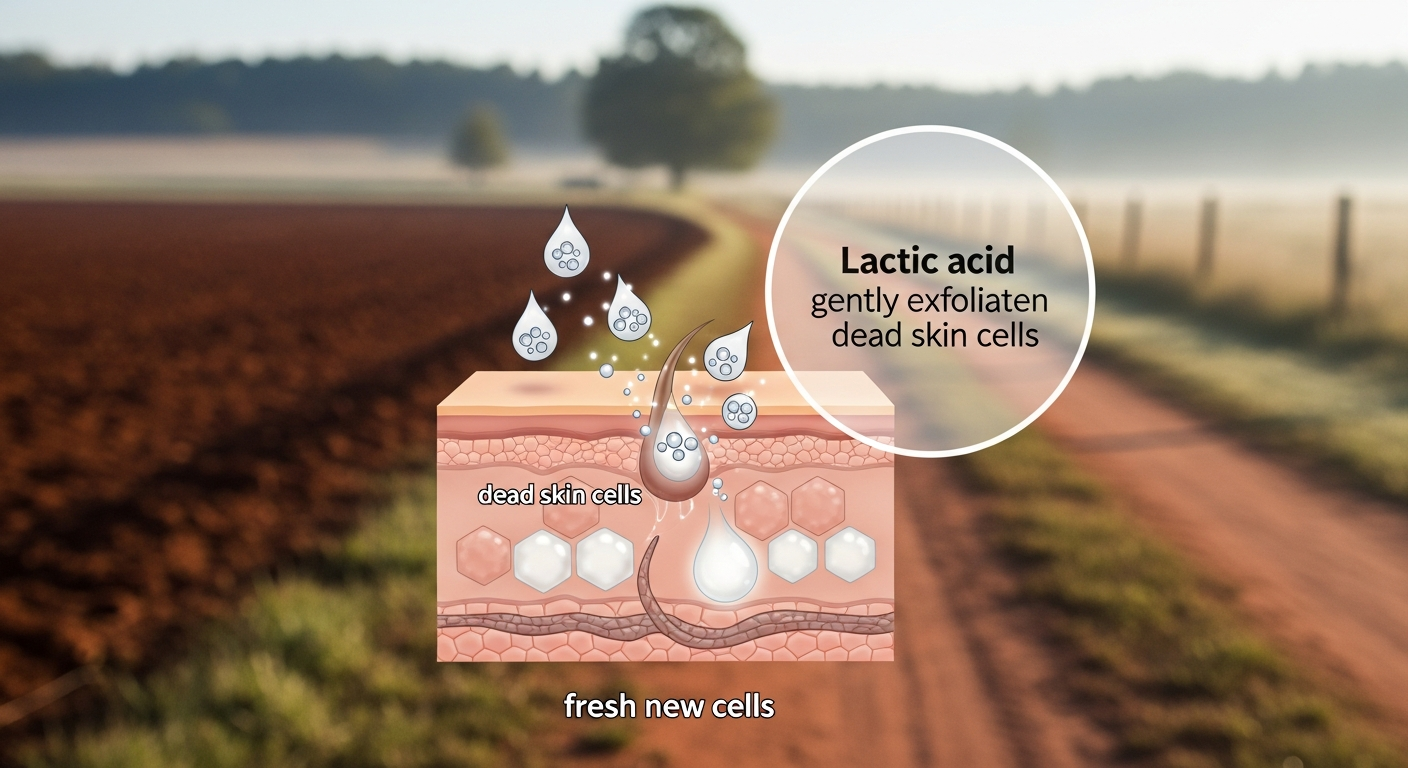
This is the magic ingredient: lactic acid. Goat milk is a natural source of this alpha-hydroxy acid (AHA). It works by gently breaking down the bonds that hold dead skin cells together. This process encourages the shedding of those dull outer layers and promotes new cell growth, revealing the brighter, smoother, younger-looking skin underneath. It can help improve the appearance of aging skin and even help unclog pores, which may help with acne.
3. Soothing for Sensitive and Troubled Skin
Goat milk has a pH level that is remarkably close to our own skin’s natural pH. This means it’s less likely to cause irritation or strip your skin of its natural oils. Its anti-inflammatory properties, along with a healthy dose of Vitamin A (often called the skin vitamin), can help calm conditions like eczema, psoriasis, dermatitis, and general sensitivity. It’s nature’s gentle remedy.
Section 4: From My Kitchen to Yours – Simple Goat Milk Skincare Recipes
Why buy it when you can make it? Here are two simple recipes to get you started on your own journey with goat milk skincare. There’s nothing more satisfying than using a product you made with your own two hands.
1. Basic Cold-Process Goat Milk Soap
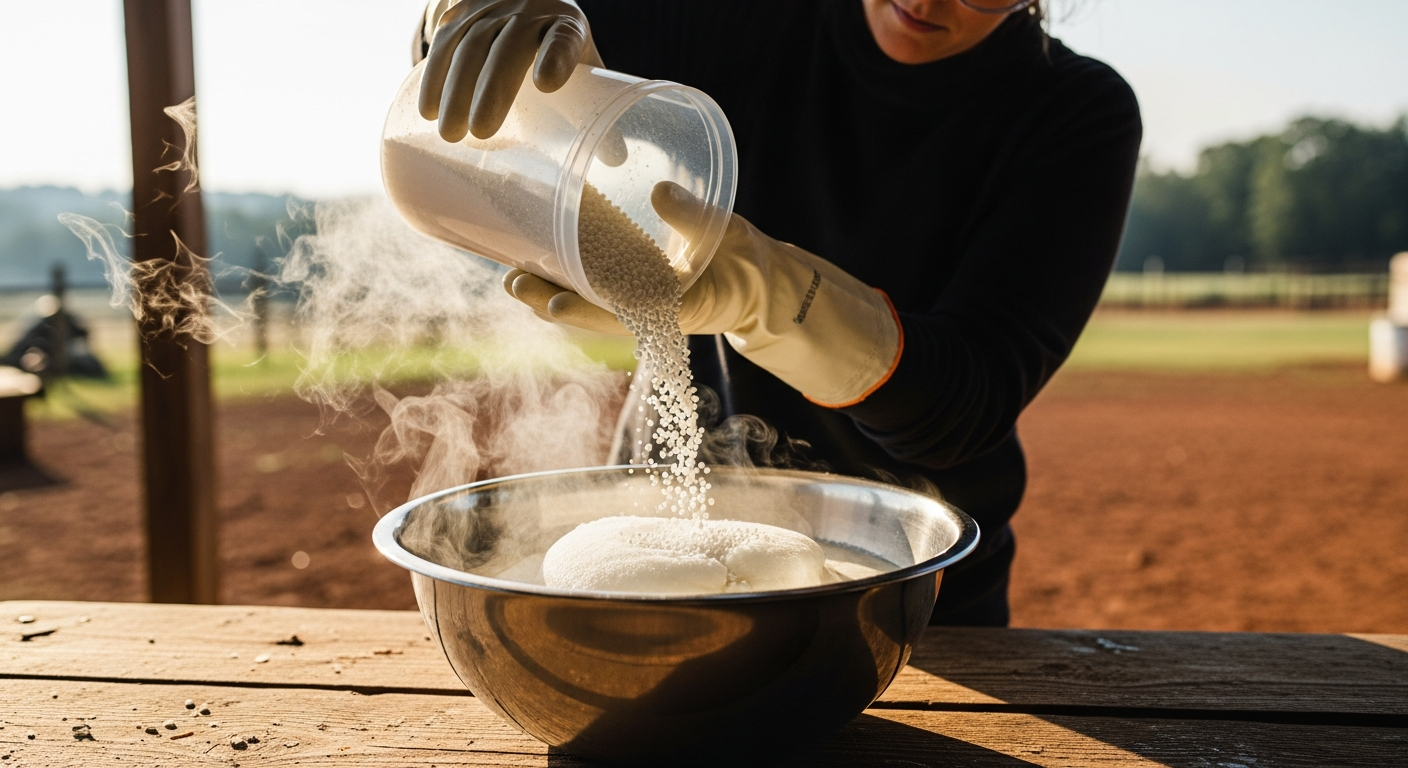
Making soap takes a little care, especially when working with lye, but it’s a rewarding skill. This recipe uses frozen goat milk, which is key to keeping the milk sugars from scorching when the lye is added.
- Ingredients: Frozen goat milk, lye (sodium hydroxide), a blend of oils (like olive oil, coconut oil, and shea butter).
- Process: Very slowly and carefully, add the lye to the frozen milk slush, stirring until it’s dissolved. This mixture will heat up. Let it cool. Gently warm your oils and then, once both mixtures are at the right temperature (around 100°F), slowly combine them and blend until it thickens to a pudding-like consistency. Pour into a mold, insulate, and let it sit for 24-48 hours before cutting into bars.
- Curing: The most important step! Let your bars cure in a well-ventilated area for 4-6 weeks to allow the soap to harden and become mild.
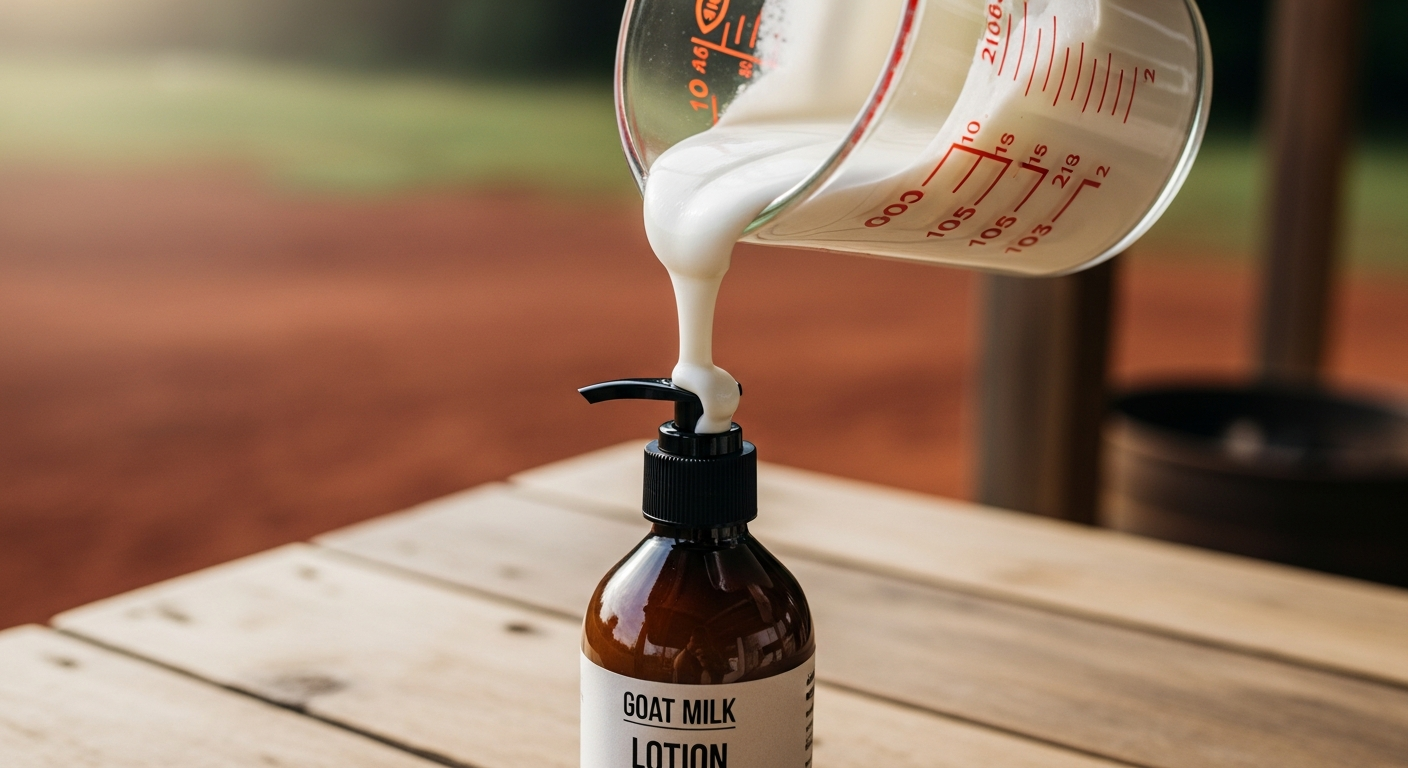
2. Simple, Nourishing Goat Milk Lotion
This is a much simpler project for beginners! A lovely hand and body lotion.
- Ingredients: Goat milk, distilled water, a carrier oil (like sweet almond or jojoba), emulsifying wax, and a preservative (important for any water-based lotion). A few drops of essential oil for fragrance is a nice touch.
- Process: Gently heat the milk, water, oil, and emulsifying wax in a double boiler until the wax is fully melted. Remove from heat and blend with a stick blender as it cools. As it thickens into a creamy lotion, add your preservative and any essential oils.
- Storage: Pour into sterilized bottles or jars. Because it contains fresh milk, it’s best stored in the refrigerator and used within a few weeks.
Conclusion
From a simple glass of milk to a luxurious bar of soap, the gifts from a homestead goat are truly abundant. Goat milk products aren’t just about being sustainable or eco-friendly, though they are certainly that. They are about a connection to the land, a return to simple and effective ingredients, and the deep satisfaction of providing for your family’s health and well-being. I encourage y’all to explore these benefits for yourself. Whether you’re raising your own goats or just picking up some goat milk at the farmer’s market, you’re tapping into generations of wisdom.
Frequently Asked Questions (FAQ)
- 1. Is goat milk healthier than cow’s milk?
- “Healthier” can be subjective, but goat milk has a nutritional profile that can be more beneficial for some people. It’s often higher in certain minerals like calcium and potassium, and its A2 protein and smaller fat globules make it significantly easier to digest for many individuals with sensitivities to cow’s milk.
- 2. If I’m allergic to cow’s milk, can I drink goat milk?
- It depends on the allergy. If you have a true lactose intolerance, you may still have issues as goat milk contains lactose (though slightly less than cow’s milk). However, if your issue is a sensitivity to the A1 casein protein in cow’s milk, you may find you can tolerate goat milk very well. Always consult a doctor before making dietary changes related to an allergy.
- 3. Does goat milk soap really help with eczema?
- Many people find significant relief. The combination of its gentle pH, natural fats that moisturize, and anti-inflammatory properties can help soothe the dry, itchy, and irritated skin associated with eczema without the harsh detergents found in many commercial soaps.
- 4. What does goat milk soap smell like?
- Properly made goat milk soap does not smell “goaty” at all! Unscented bars have a very clean, creamy, and neutral scent. Scented varieties will carry the fragrance of the essential oils or fragrance oils added to them.
- 5. Why do you have to use frozen milk to make soap?
- When lye is mixed with a liquid, it creates an exothermic reaction, meaning it gets very hot, very fast. The sugars in milk can easily scorch or burn during this process, which can turn your soap brown and give it an unpleasant ammonia-like smell. Using frozen milk keeps the temperature low and protects the delicate properties of the milk.
- 6. How long do homemade goat milk products last?
- It varies. Properly cured cold-process soap can last for a year or more. Edible products have a shorter shelf life: fresh chèvre lasts about a week or two in the fridge, while yogurt and kefir last about the same. Homemade lotions without strong preservatives should be refrigerated and used within a month.
- 7. Are goat milk products more sustainable?
- From a small-scale homesteading perspective, absolutely. Goats are smaller than cows, require less pasture, and can browse on a wider variety of plants. They are a very efficient animal for converting forage into nutrient-dense food and products, making them a great choice for a sustainable and eco-friendly lifestyle.
- 8. Can I use store-bought goat milk for these recipes?
- Yes, you certainly can! For the best results, especially for cheese-making, try to find pasteurized, non-ultra-pasteurized goat milk. Ultra-pasteurization (UHT) heats the milk to a very high temperature, which can damage the proteins and prevent a good curd from forming.