The Complete Guide to Raising Homestead Kids: 25+ Age-Appropriate Chores & Life Lessons
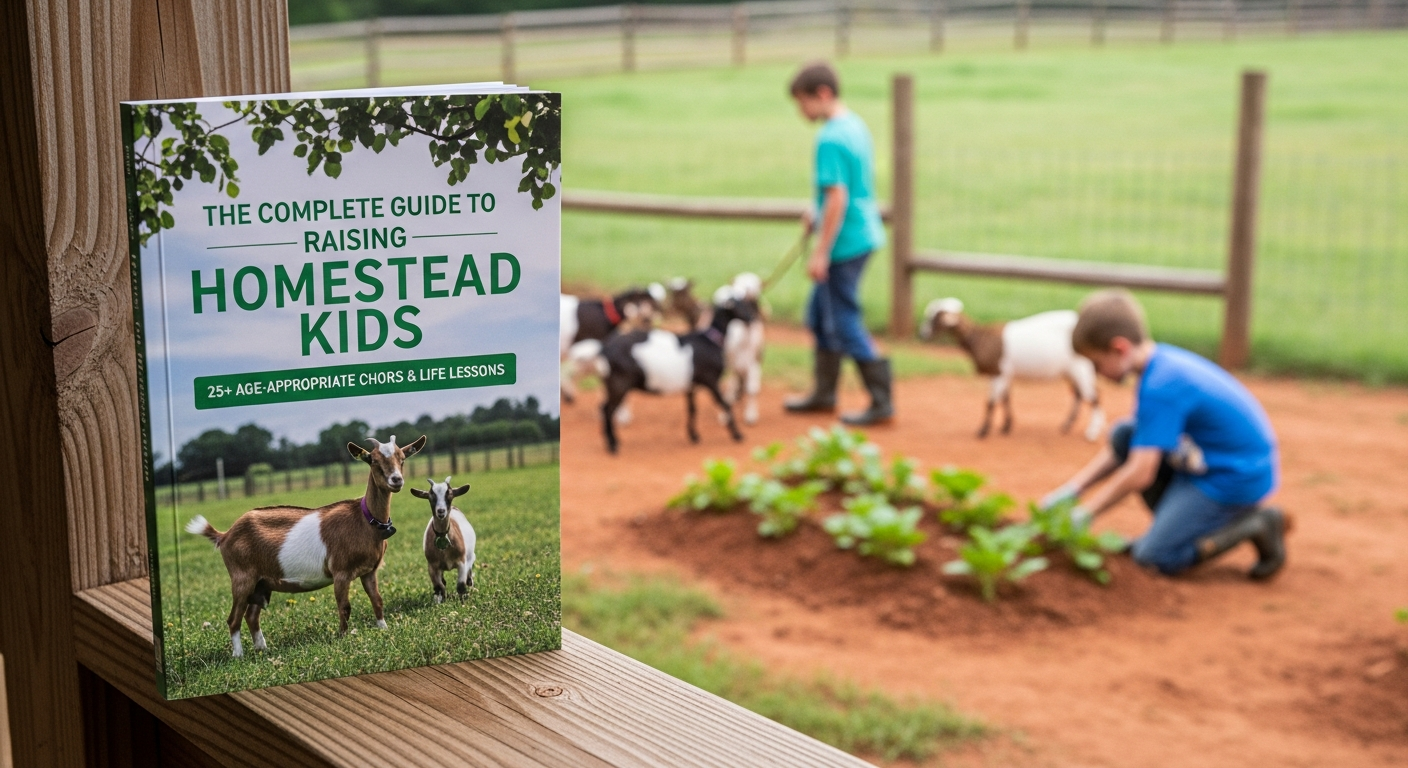
The Complete Guide to Raising Homestead Kids: 25+ Age-Appropriate Chores & Life Lessons
Y’all, there is no greater joy on a homestead than watching your children or grandchildren grow right alongside the gardens and the livestock. Involving those little ones in the daily rhythm of this life isn’t just about getting a helping hand; it’s about planting seeds of responsibility, resilience, and a deep-down love for the land. It’s how we pass on the traditions that matter, teaching them where their food comes from and the satisfaction of a day’s good work. This guide is here to help you find joyful, meaningful, and safe ways to bring your children into the heart of your homestead.
Key Takeaways
- Match the Chore to the Child: The secret to happy helpers is giving them tasks they can truly succeed at. Start with simple, joyful activities for toddlers and gradually introduce more complex skills as they grow in age, ability, and confidence.
- Teach the ‘Why’ Behind the Work: A chore becomes a lesson when a child understands its purpose. Explain why weeding helps the vegetables grow strong, why animals need fresh water, and why we preserve the harvest. This transforms tasks into valuable knowledge about self-sufficiency and nature’s cycles.
- Safety and Patience Are Your Most Important Tools: Above all else, the homestead must be a safe place for learning. Always provide supervision, use age-appropriate tools, and shower them with patience. Remember, the goal is to cultivate a capable and confident child, not just a perfect row of beans.
The Deep Dive: A Journey Through Homesteading by Age
Every child is a little different, bless their hearts, but I find it helpful to think about chores in stages. What a toddler can do is a world away from what a teenager can tackle. Let’s break it down, shall we?
The Littlest Sprouts (Ages 3-5)
At this age, it’s all about exploration, imitation, and sensory learning. Their attention spans are short, but their enthusiasm is boundless! The goal here is participation, not perfection. Keep tasks short, sweet, and full of wonder.
1. Garden Helpers
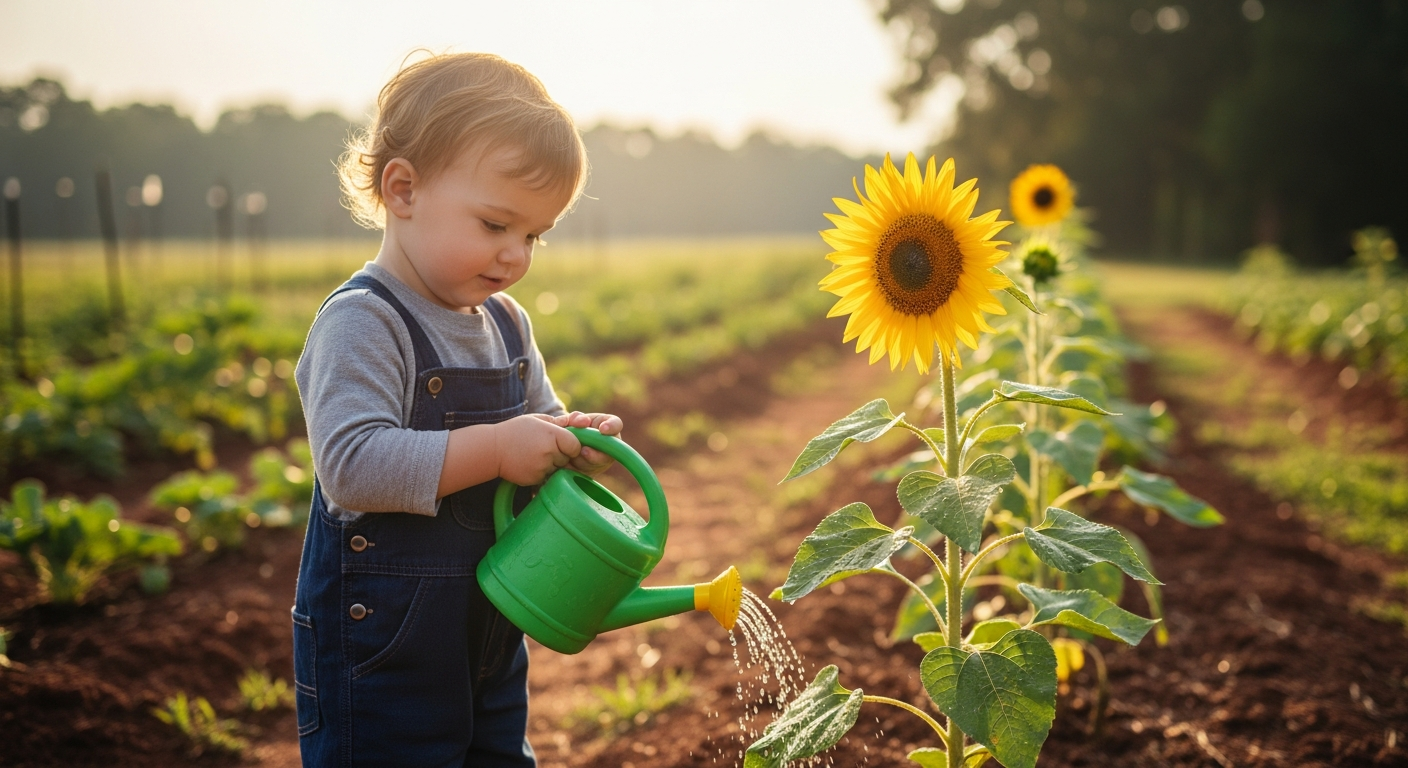
- Planting Big Seeds: Little fingers are perfect for poking big seeds like beans, peas, squash, and sunflowers into the soil. It’s pure magic for them to see those first sprouts pop up from a seed they planted themselves.
- Watering Duty: Give them a small, child-sized watering can they can manage. Assign them one or two specific plants to be in charge of. It teaches them about the needs of living things.
- Gentle Harvesting: They can help pick things that are easy to grab without damaging the plant, like snap peas, cherry tomatoes (the ones on the bottom!), or plucking strawberries.
2. Egg Collectors
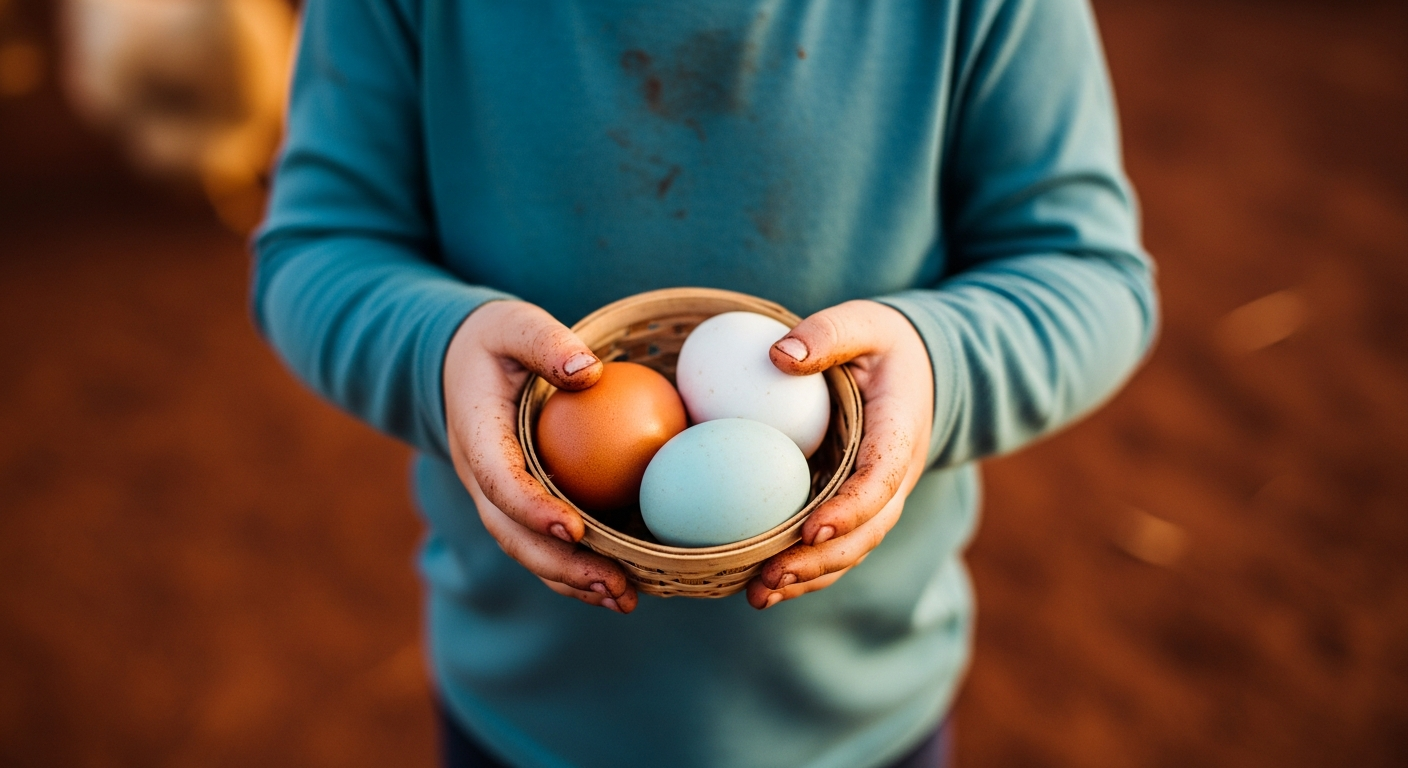
There is no greater treasure hunt than the daily search for eggs. Give your little one a small, sturdy basket and let them carefully gather the eggs. It’s a thrilling discovery every single time and teaches them to be gentle.
3. Feeding Small Animals
Let them help you scoop feed for chickens, ducks, or rabbits. You can measure it out, and they can be the one to pour it into the feeder. This is a simple, repetitive task that gives them a feeling of great importance.
The Eager Learners (Ages 6-9)
At this stage, children can follow multi-step instructions and are hungry for real responsibility. They are ready to learn the ‘why’ behind the tasks and can begin developing real skills. Supervision is still key, but you can start giving them a bit more ownership.
1. Advanced Gardening
- Weeding Warriors: Teach them to identify a few common weeds and assign them a small, manageable patch to keep clear. This is a great lesson in persistence.
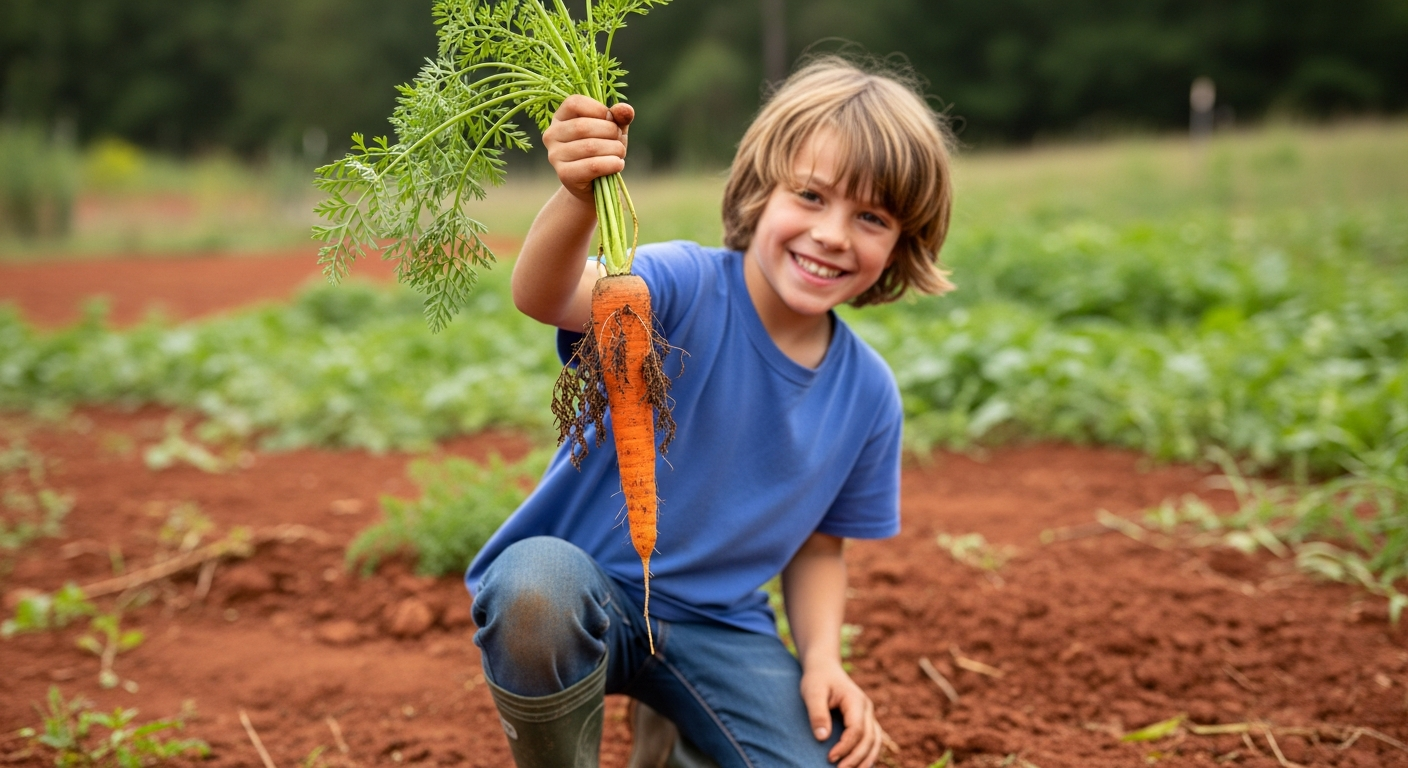
- Harvesting Experts: They can now learn to harvest more delicate produce, like lettuce leaves, green beans, and zucchini. Show them how to use clippers safely for tougher stems.
- Compost Helpers: This is a great age to teach the basics of compost. They can be in charge of carrying the kitchen scrap bucket out to the compost pile and learning what goes in and what stays out.
2. Kitchen Apprentices
Bring them into the heart of the homestead—the kitchen! This is where the harvest becomes a meal, a lesson they’ll never forget.
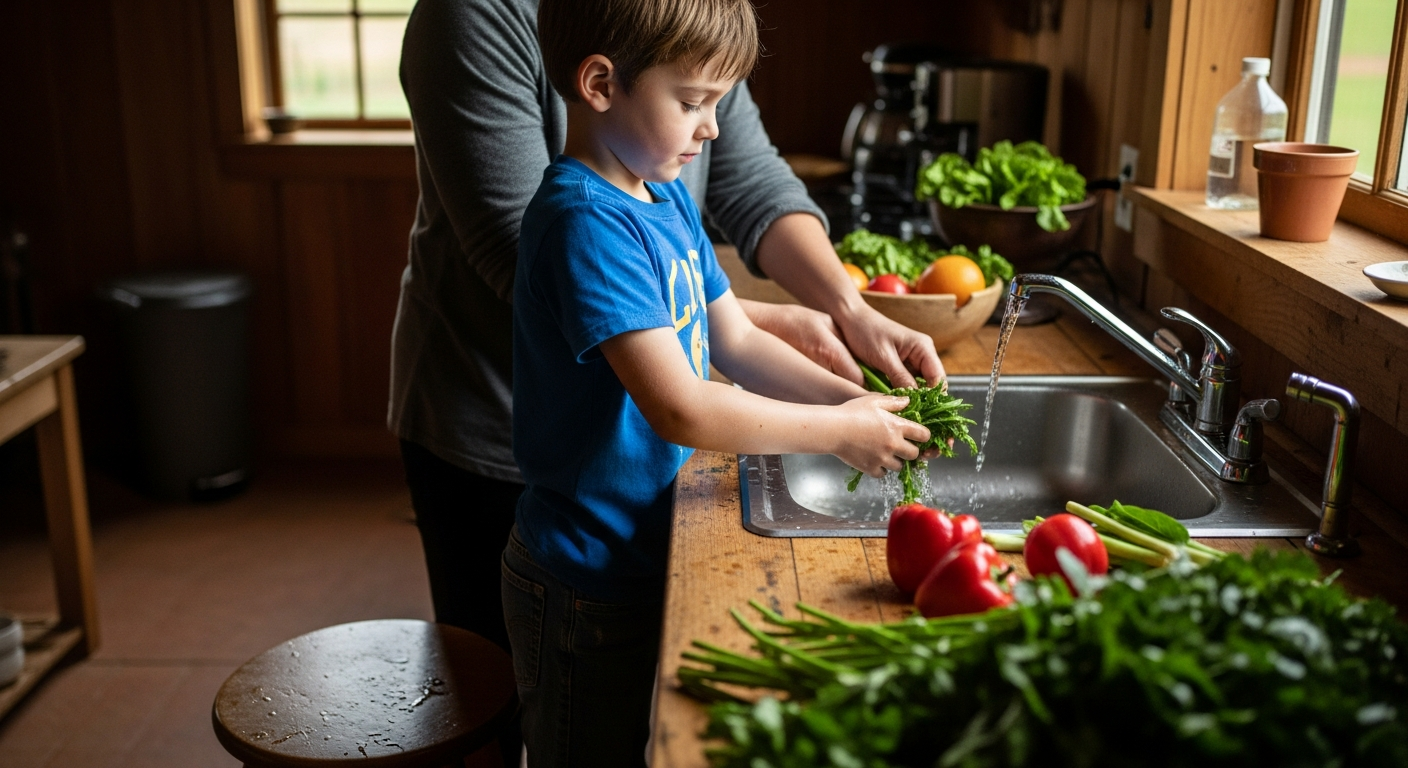
- Washing & Prepping: They can wash vegetables from the garden, snap green beans, shuck corn, or tear lettuce for a salad.
- Measuring & Stirring: With supervision, they can measure dry ingredients for baking or help stir a pot of jam (away from the hot stove’s edge, of course).
- Setting the Table: A simple but vital chore that contributes to the family meal, connecting their work in the garden to the food on their plate.
3. Livestock Care
Their ability to care for animals grows. They can handle more responsibility, which builds a wonderful bond and teaches empathy.
- Water Duty: They are now strong enough to carry small buckets of water to refill poultry or rabbit waterers.
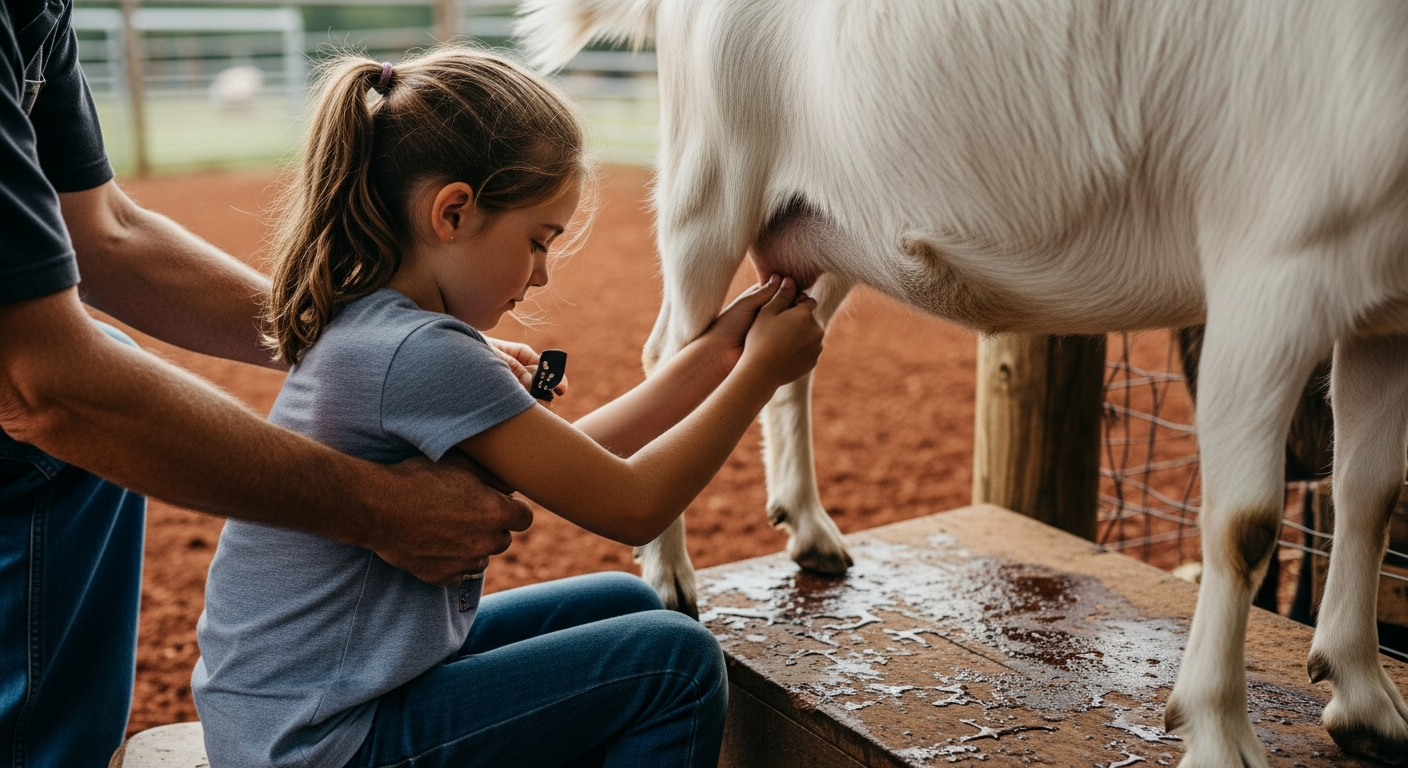
- Learning to Milk: With a patient goat or cow, this is a wonderful age to let them try their hand at milking, with you right there beside them.
- Brushing & Grooming: Larger, gentle animals like goats, horses, or a family cow can be brushed. It’s good for the animal and soothing for the child.
The Capable Hands (Ages 10-13)
Y’all, this is the golden age. Pre-teens are capable of complex tasks and can start to work more independently. This is the time to foster mastery and problem-solving skills. They can now understand the bigger picture of how different homestead systems work together.
1. Independent Projects
- Their Own Garden Plot: Give them a small raised bed or a section of the garden that is entirely theirs. Let them choose what to plant (with guidance), and they’ll be responsible for it from seed to harvest.
- Managing a Small Flock: They could be put in charge of a few laying hens—responsible for their daily feed, water, egg collection, and coop cleaning.
- Tool Maintenance: Teach them the importance of caring for their tools. They can be responsible for cleaning, sharpening (with supervision), and properly storing garden tools.
2. Food Preservation
This is a critical homestead skill. Involving them now ensures these traditions are passed down. The kitchen becomes a classroom for science and self-sufficiency.

- Canning Assistant: They can help prepare produce for canning, fill jars, and learn the basic principles of water bath canning under strict supervision.
- Dehydrating and Freezing: These are simpler methods of preservation they can often manage on their own, from arranging fruit on dehydrator trays to packing blanched vegetables for the freezer.
- Making Cheese or Butter: Simple dairy projects like making fresh mozzarella, ricotta, or shaking a jar of cream into butter are incredibly rewarding and feel like a science experiment.
3. Building & Maintenance
With their growing strength and coordination, they can now contribute to the upkeep and improvement of the homestead.
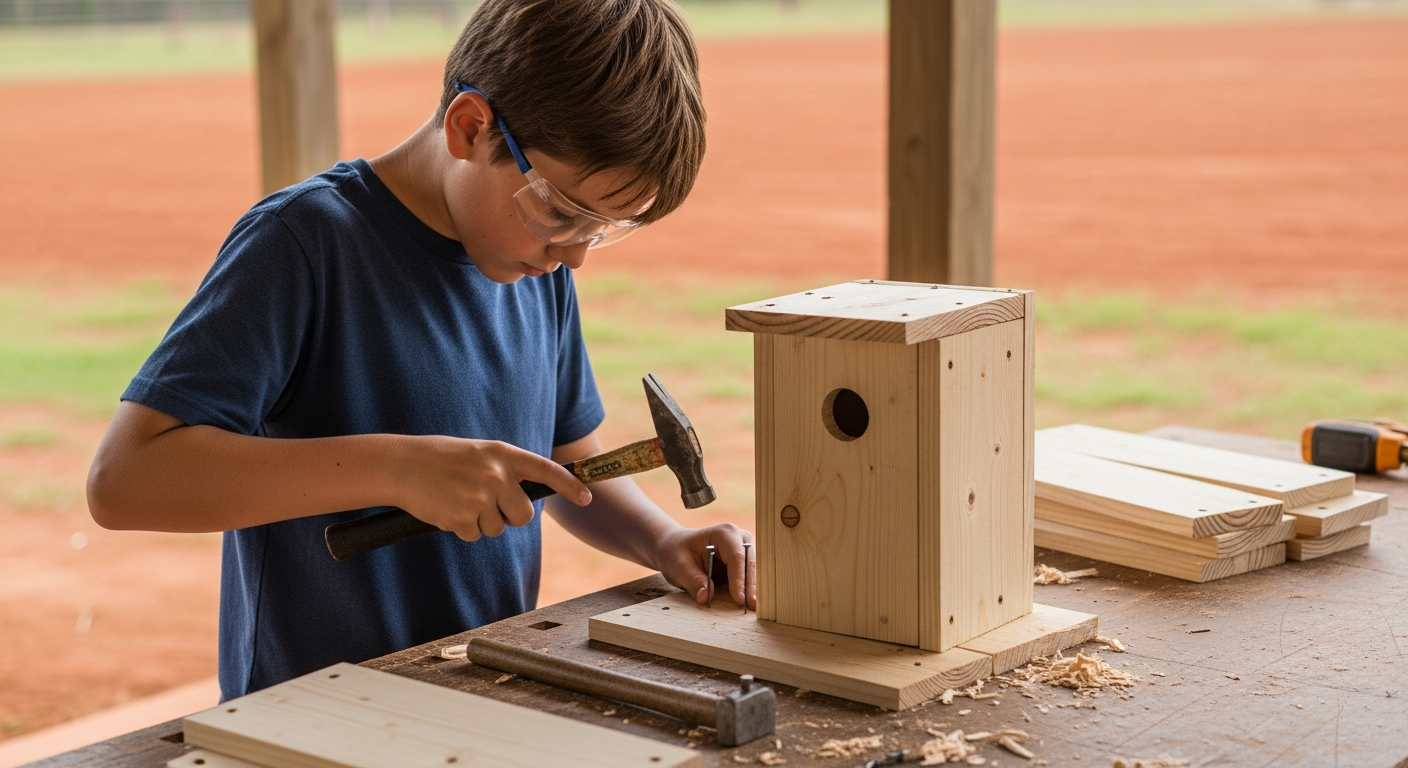
- Basic Construction: With guidance, they can help build simple projects like cold frames, compost bins, or rabbit hutches. They can learn to use a hand saw, a drill, and a hammer safely.
- Fencing and Repairs: They can help stretch wire, paint fences, or replace a broken board on a chicken coop.
- Mucking Stalls: It’s not glamorous, but it’s necessary! Mucking out stalls is hard work that builds character and teaches the full cycle of animal care, as the waste becomes valuable compost for the garden.
The Young Homesteaders (Ages 14+)
Teenagers can function as true partners on the homestead. This is the time to trust them with significant responsibilities, introduce business skills, and let them take the lead on projects they’re passionate about.
1. Leadership Roles
- Garden Planning: Involve them in planning the next season’s garden. Let them research seed varieties, map out crop rotation, and manage the planting schedule.
- Livestock Management: They can take the lead on the health of a flock or herd, learning to spot signs of illness, manage breeding schedules, and keep detailed records.
- Equipment Operation: With proper training and safety protocols, a responsible teen can learn to operate more complex equipment like a lawn tractor, a log splitter, or a wood chipper.
2. Homestead Entrepreneurship
This is a fantastic way to teach them about business, customer service, and the value of their hard work.
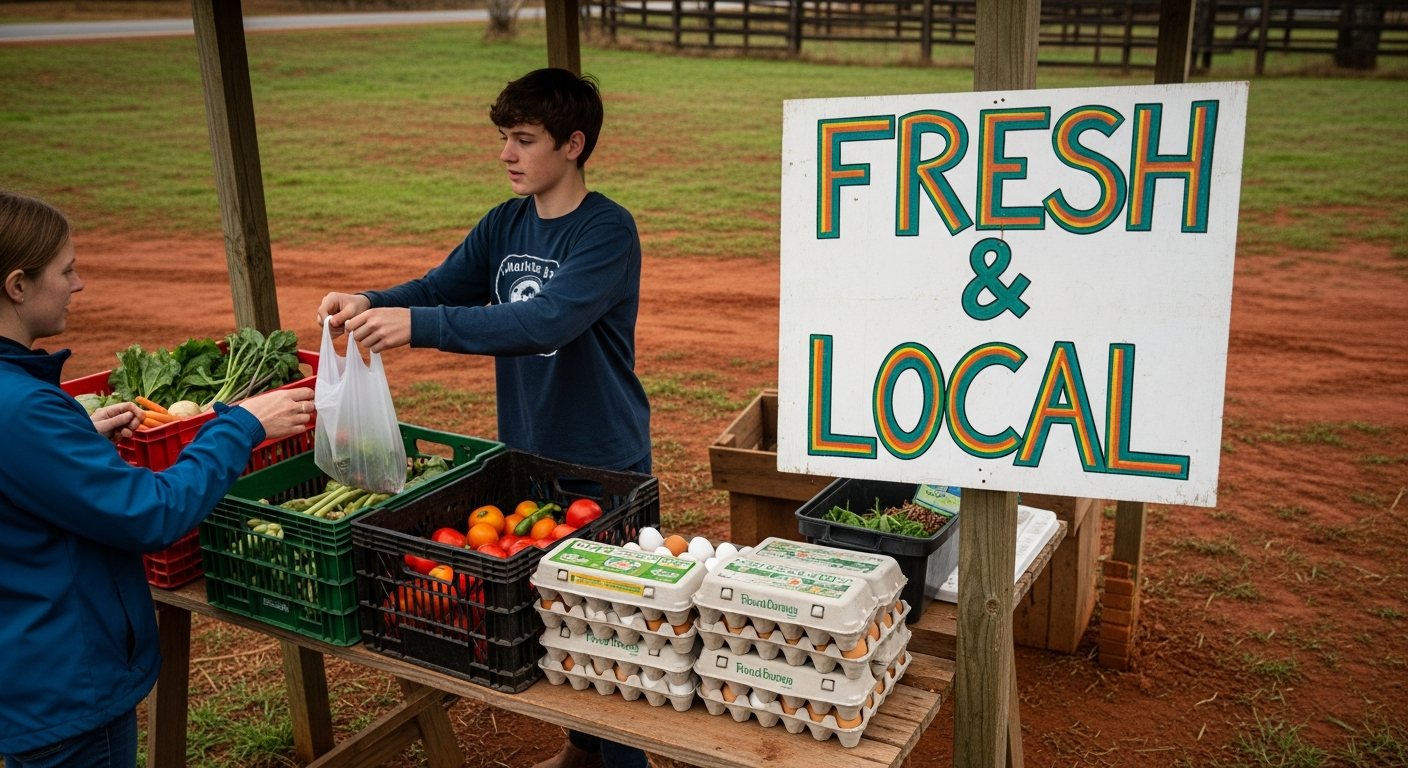
- Selling the Surplus: Let them manage a farm stand, sell at a local farmers’ market, or create a CSA subscription for a few neighbors. They can be in charge of marketing, pricing, and managing the money.
- Value-Added Products: Encourage them to turn raw products into something more. This could be making and selling jams, herbal salves, goat milk soap, or beautiful bouquets of flowers.
Conclusion
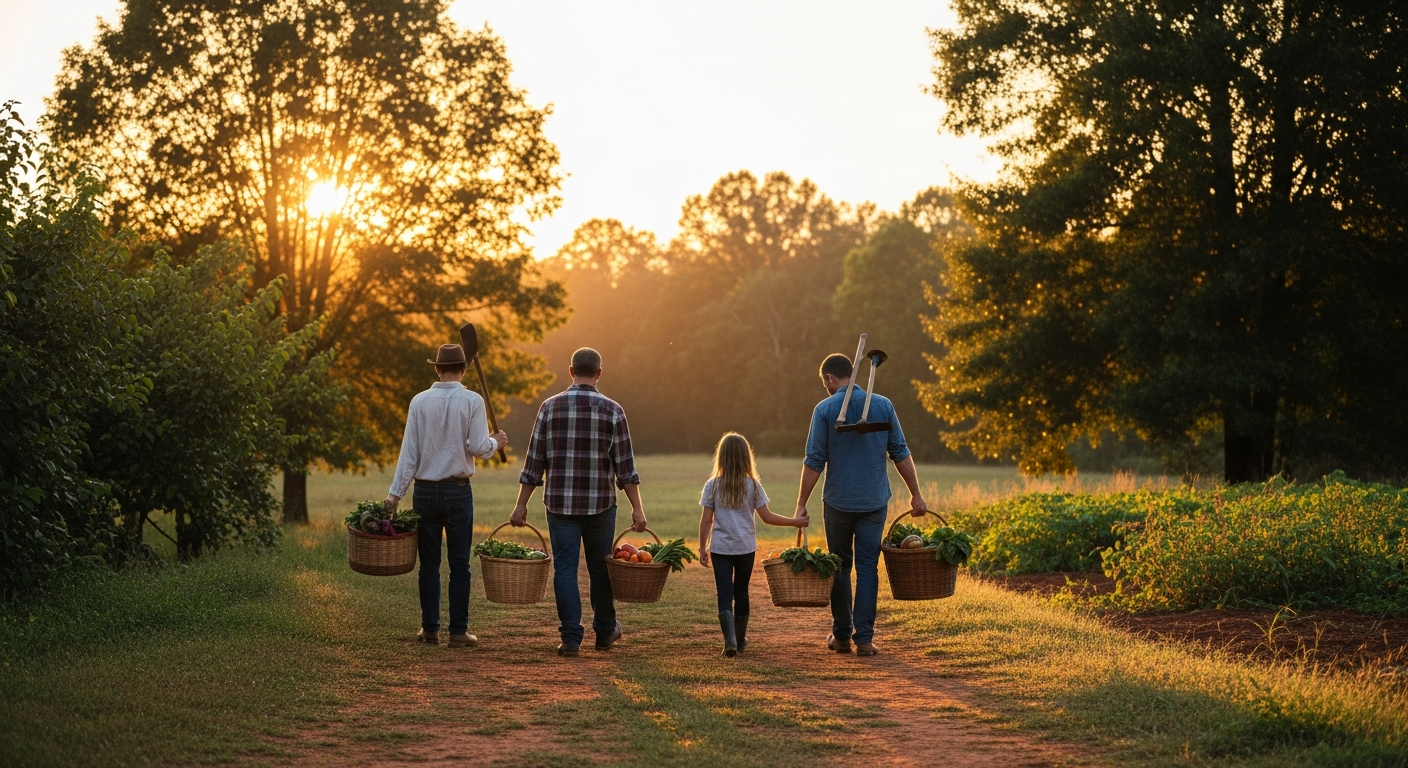
My dears, remember that the most precious crop you will ever raise is your children. Involving them in the work of the homestead is about so much more than checking items off a to-do list. It’s about weaving them into the fabric of a meaningful life. It’s about teaching them that their hands can provide, that their efforts matter, and that they are a vital part of the beautiful, living cycle of your home. Be patient, be joyful, and watch them grow into capable, kind, and resilient people. That’s the real harvest.
Frequently Asked Questions (FAQ)
- 1. How do I keep my kids safe on the homestead?
- Safety is paramount. Always start with clear boundaries about where they can and cannot go alone. Ensure constant supervision, especially around animals, water, and machinery. Teach them to respect animals and tools, and always provide age-appropriate tools and personal protective equipment (like gloves or safety glasses) when needed.
- 2. What if my child isn’t interested in homesteading chores?
- Don’t you worry, that’s perfectly normal. Try to find what sparks their interest. If they don’t love weeding, maybe they’ll love cooking. If they’re wary of the chickens, perhaps they’d enjoy building something. Give them choices and ownership over their tasks. Sometimes, it’s just about finding their unique niche on the homestead.
- 3. At what age can a child start helping with animals?
- Children can start interacting with animals at a very young age (2-3) with simple tasks like helping you put feed in a bowl, under 100% supervision. As they grow, their responsibilities can increase. The key is the child’s maturity and the temperament of the animal. Gentle tasks like collecting eggs or feeding chickens can start early, while handling larger animals should wait until they are older and stronger.
- 4. How do you handle mistakes or chores done poorly?
- With a whole lot of grace! Mistakes are learning opportunities. Instead of criticizing, use it as a teaching moment. Say, “That’s a good try! Next time, let’s try it this way and see what happens.” Focus on the effort, not the outcome, especially when they are young. The goal is to build their confidence, not tear it down.
- 5. What are some good “first” animals for kids to care for?
- Chickens are often a wonderful first choice. They are relatively low-maintenance, and the daily reward of collecting eggs is very exciting for children. Rabbits are also a good option for teaching gentle handling and daily feeding/watering responsibilities.
- 6. How can I make chores fun for my children?
- Turn it into a game! See who can pull the most weeds in five minutes, sing songs while you work, or tell stories. Work alongside them and make it a special time for connection. A little praise and celebrating a job well done with a glass of lemonade can make all the difference.
- 7. Should I pay my child for homestead chores?
- This is a personal family decision. Many homesteading families view daily chores as a contribution to the family’s well-being, not a paid job. However, you might consider paying for ‘extra’ work that goes above and beyond their regular responsibilities. This can be a good way to teach them about earning money for something they want to buy.
- 8. How do you balance homestead work with school and other activities?
- It’s all about rhythm and routine. Establish a predictable schedule. Maybe morning chores happen before school, and evening chores happen after homework. Keep the chore list reasonable, and be flexible. Some days, a ball game or a school project will take priority, and that’s okay. The homestead will be there tomorrow.
- 9. What’s the most important lesson homesteading teaches children?
- Oh, honey, it teaches them where life comes from. It teaches them that food doesn’t magically appear in a store, that hard work creates tangible results, and that life and death are natural parts of a cycle. It teaches them to be producers, not just consumers, and that’s a powerful lesson that will serve them their whole life long.
Sources
- Original article content from cannoncreek.com