Raised Bed vs. In-Ground: A Data-Driven ROI Analysis
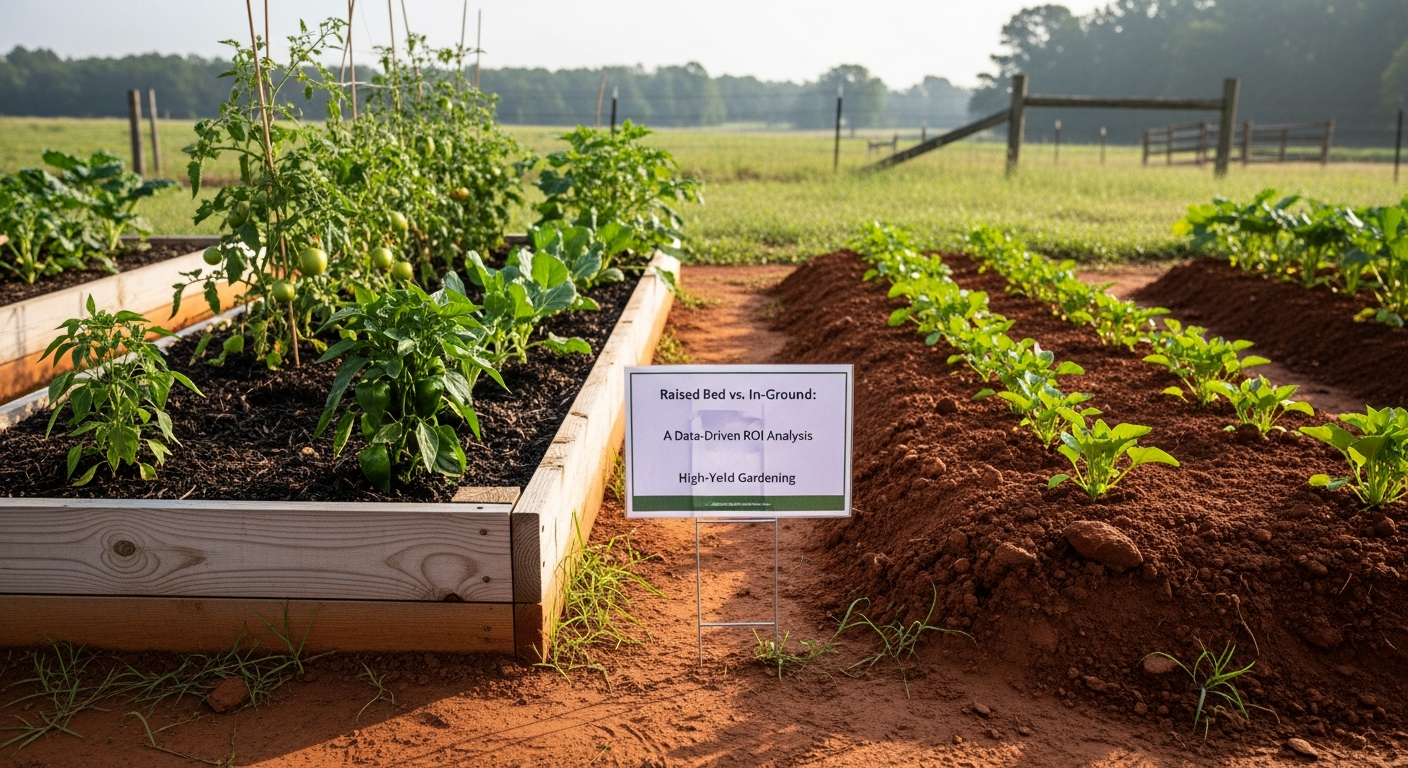
For serious food production and long-term profit, properly managed in-ground beds are superior. They are cheaper, build permanent soil wealth, and require less water. Raised beds are a high-cost fix for specific problems like contaminated soil or physical limitations. They are not a default for efficient farming. Containers are for hobbyists or high-value niche crops on concrete. Period.
Key Takeaways
- Cost: In-ground beds have a near-zero infrastructure cost. Raised beds require significant upfront investment in lumber, hardware, and imported soil.
- Soil Health: In-ground beds allow you to build deep, resilient soil biology over time. Raised beds are isolated boxes that require constant inputs and can dry out quickly.
- Labor: Raised beds offer temporary ergonomic benefits. Well-designed in-ground systems with permanent pathways are just as efficient long-term, especially with the right tools.
- ROI: The return on investment for in-ground beds is exponentially higher over a 5-year period due to minimal initial and ongoing costs.
The Breakdown: Numbers Don’t Lie
Stop thinking about aesthetics. Start thinking about cost per square foot and pounds per harvest. We will analyze a standard 100 sq ft growing area (e.g., three 4’x8′ beds) to compare the real costs.
1. Raised Beds: The Expensive Shortcut
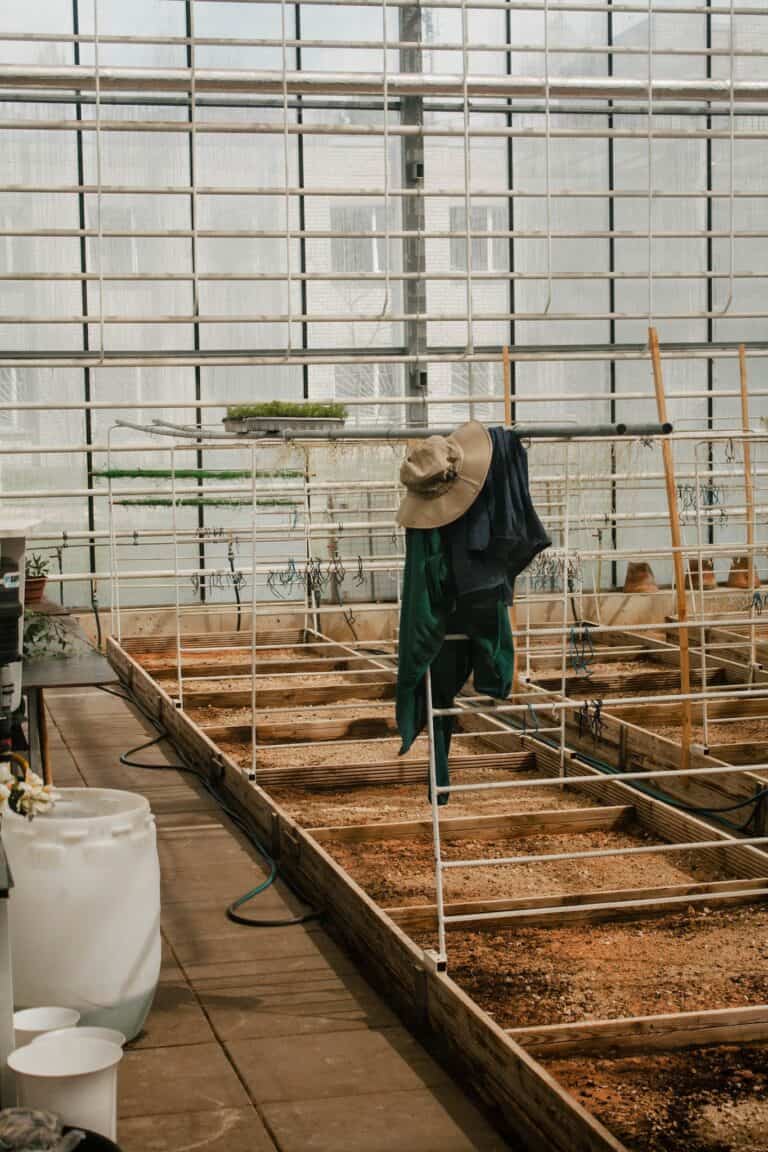
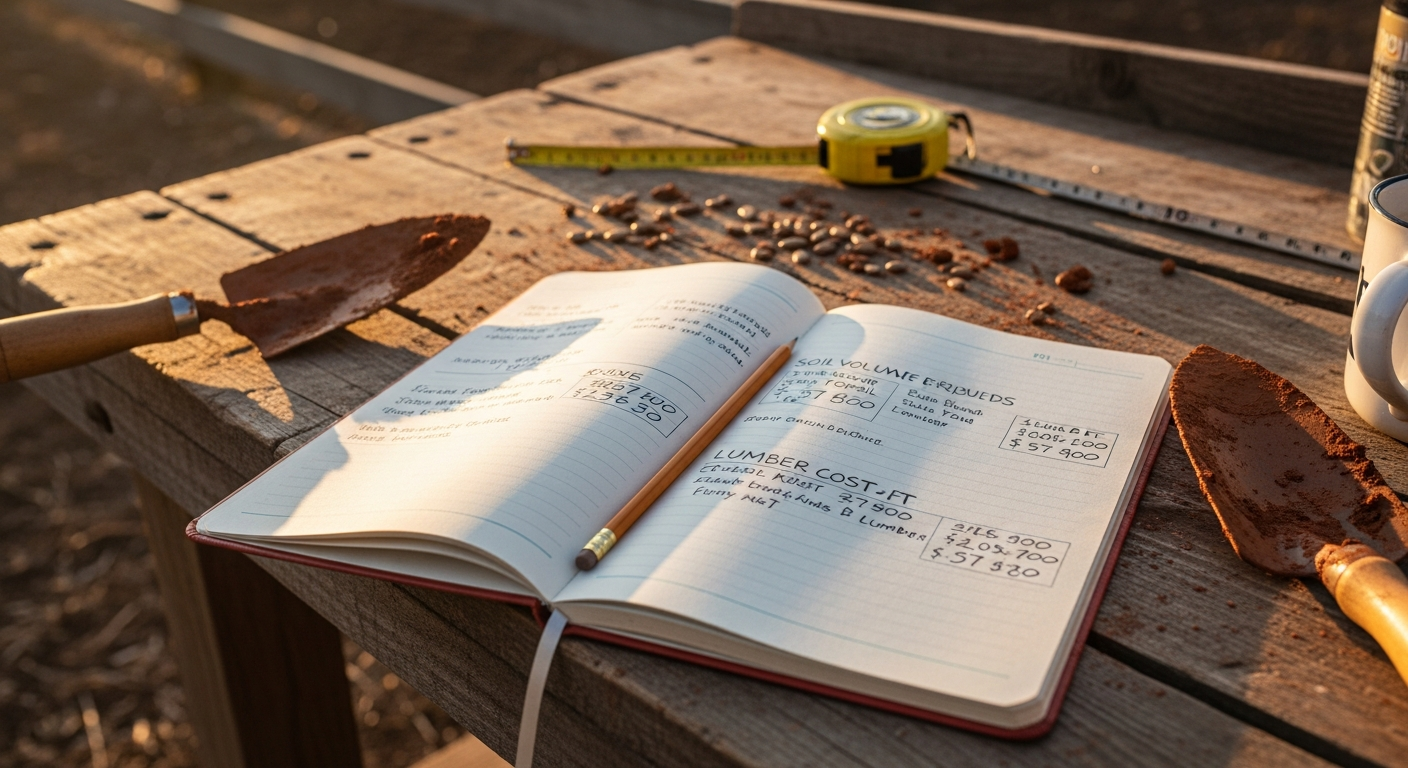
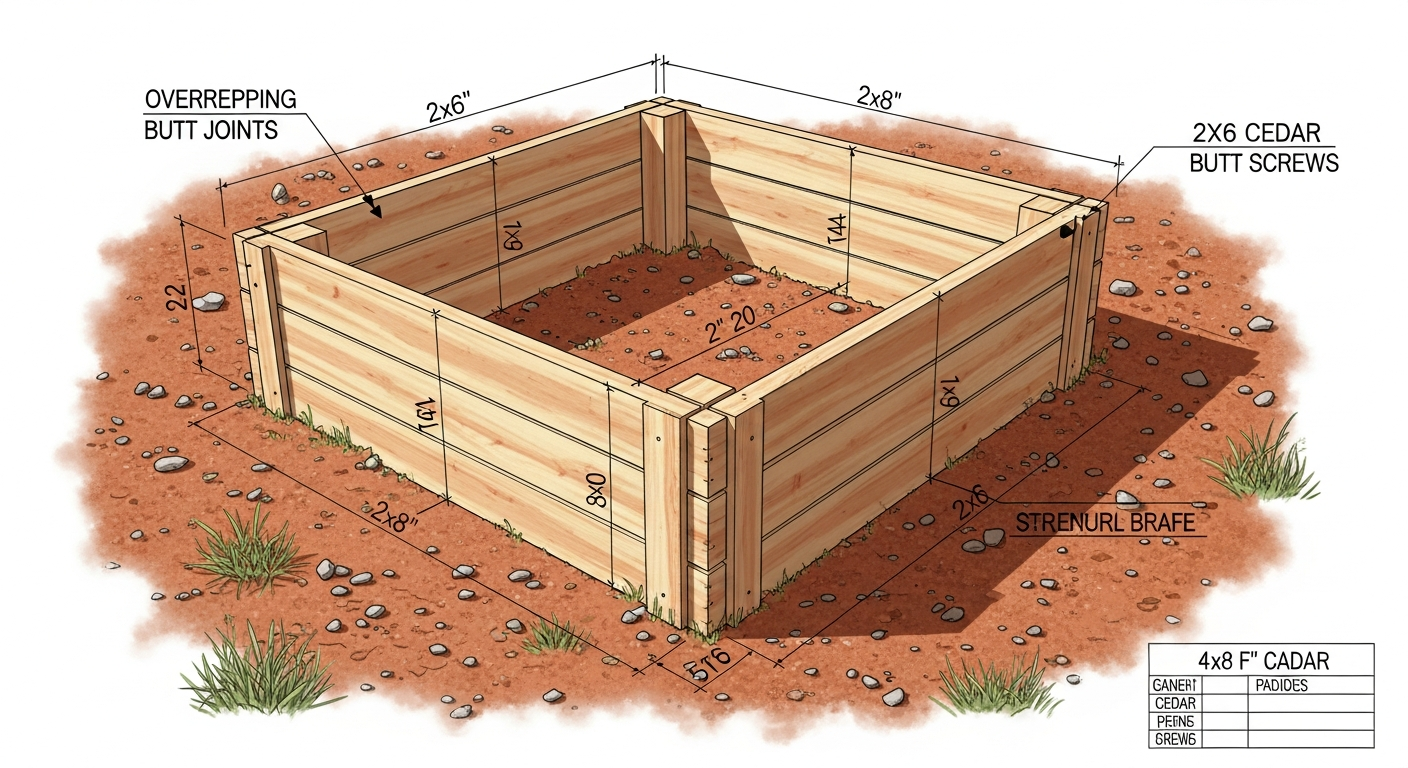
You build a box. You fill the box. It’s a simple concept that costs a fortune in materials and imported soil. The primary valid uses are for covering contaminated urban soil or for specific ADA-compliant garden designs.
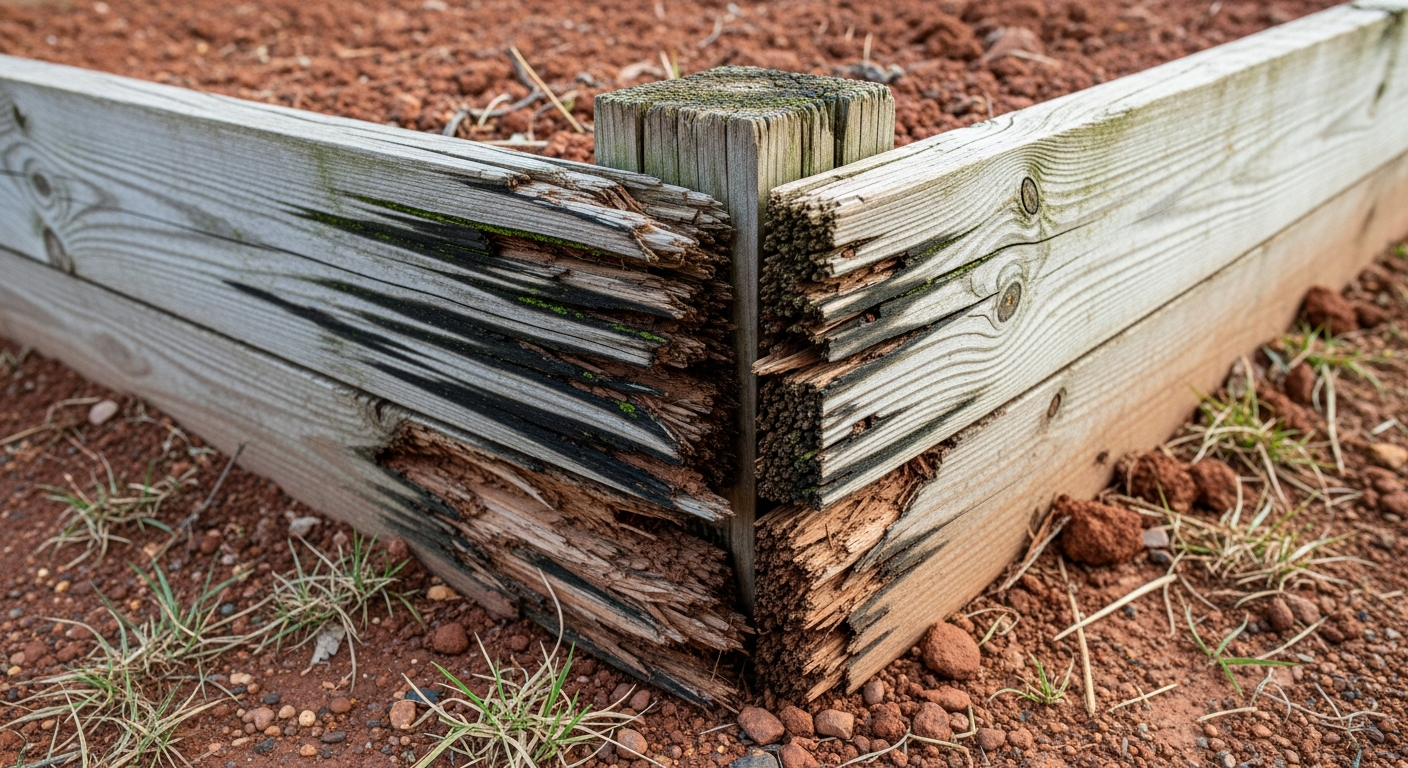
- Infrastructure Cost: For a standard 4’x8’x12″ bed, you need lumber. Using cedar (to avoid rot), you’re looking at around $150-$250 per bed in 2024 prices. For 100 sq ft, that’s ~$750.
- Soil Cost: A 4’x8’x12″ bed requires 1.2 cubic yards of soil. Quality compost/loam mix costs $50-$80 per yard. That’s another ~$225 for your three beds. Total startup cost is easily over $900.
- Performance: Drainage is sharp, which means they dry out fast. This increases watering needs. Soil life is disconnected from the native soil biome. Nutrients leach out the bottom. You are constantly refilling a leaky bucket.
2. In-Ground Beds: The Professional’s Choice
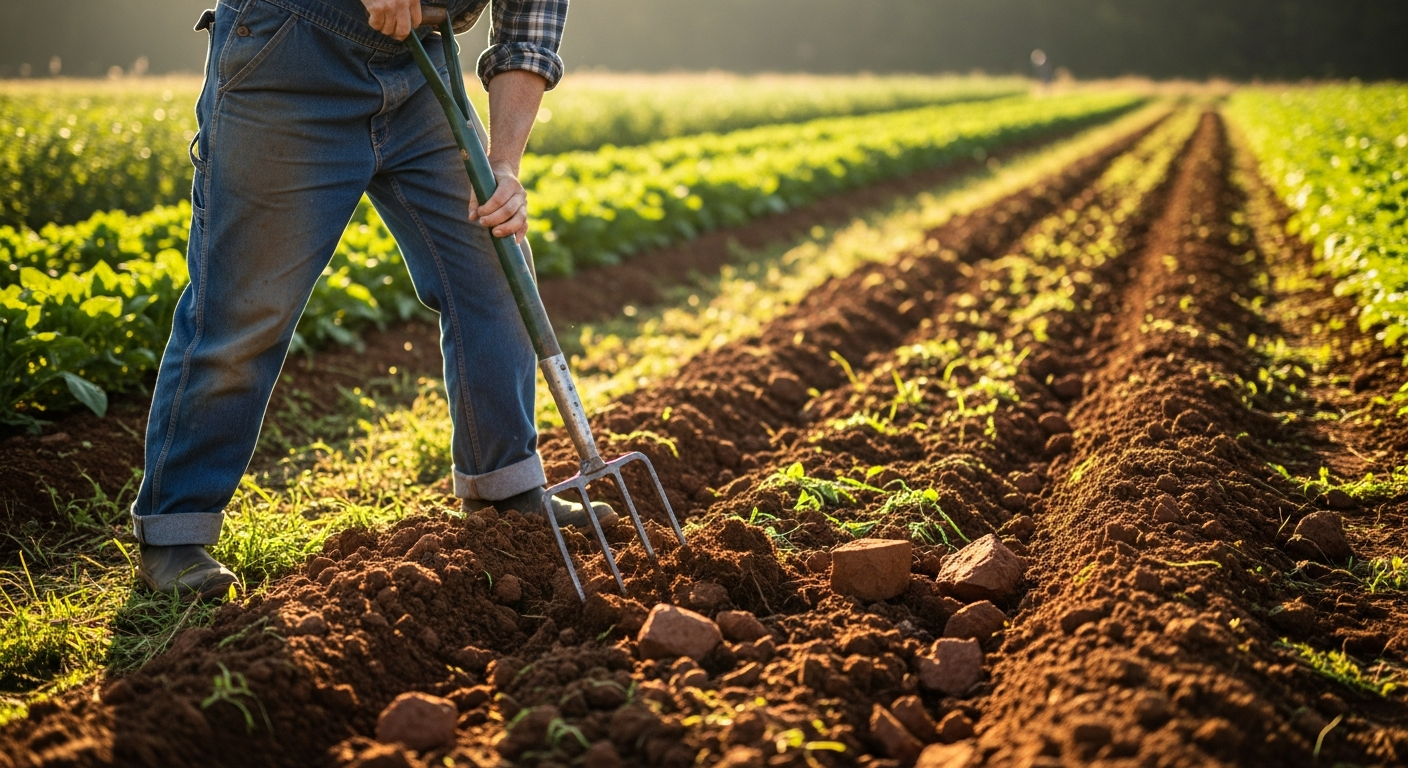
This is farming. You work with the ground you have. You build soil, not boxes. The method is simple: define your bed shape (I recommend 30″ wide permanent beds), eliminate the grass/weeds, and amend heavily with compost.
- Infrastructure Cost: $0. Maybe some twine and stakes to lay out your beds. Total startup cost is the cost of your amendments.
- Soil Cost: You are amending, not replacing. For a new 100 sq ft area, a 2-inch layer of high-quality compost is about 0.6 cubic yards. Cost: ~$40. You save over $850 compared to raised beds.
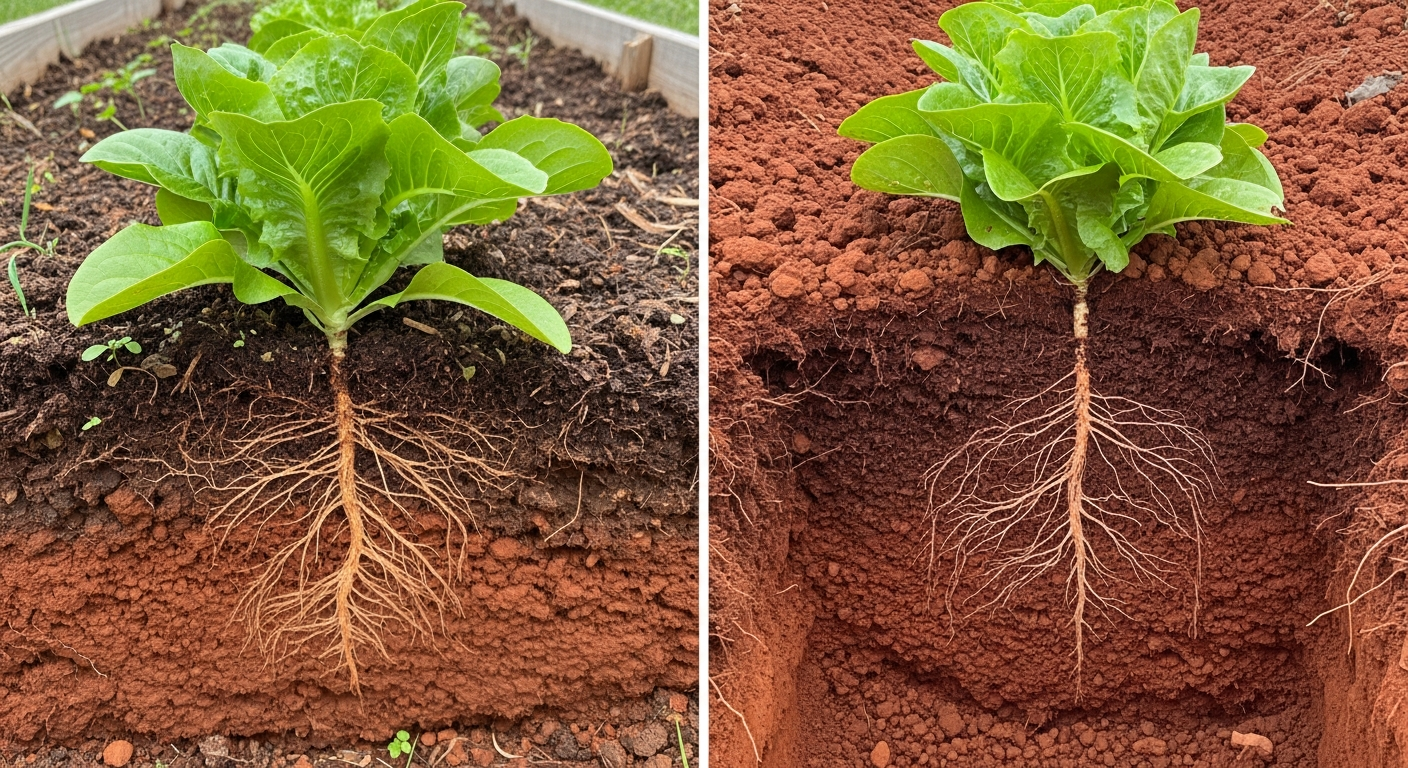
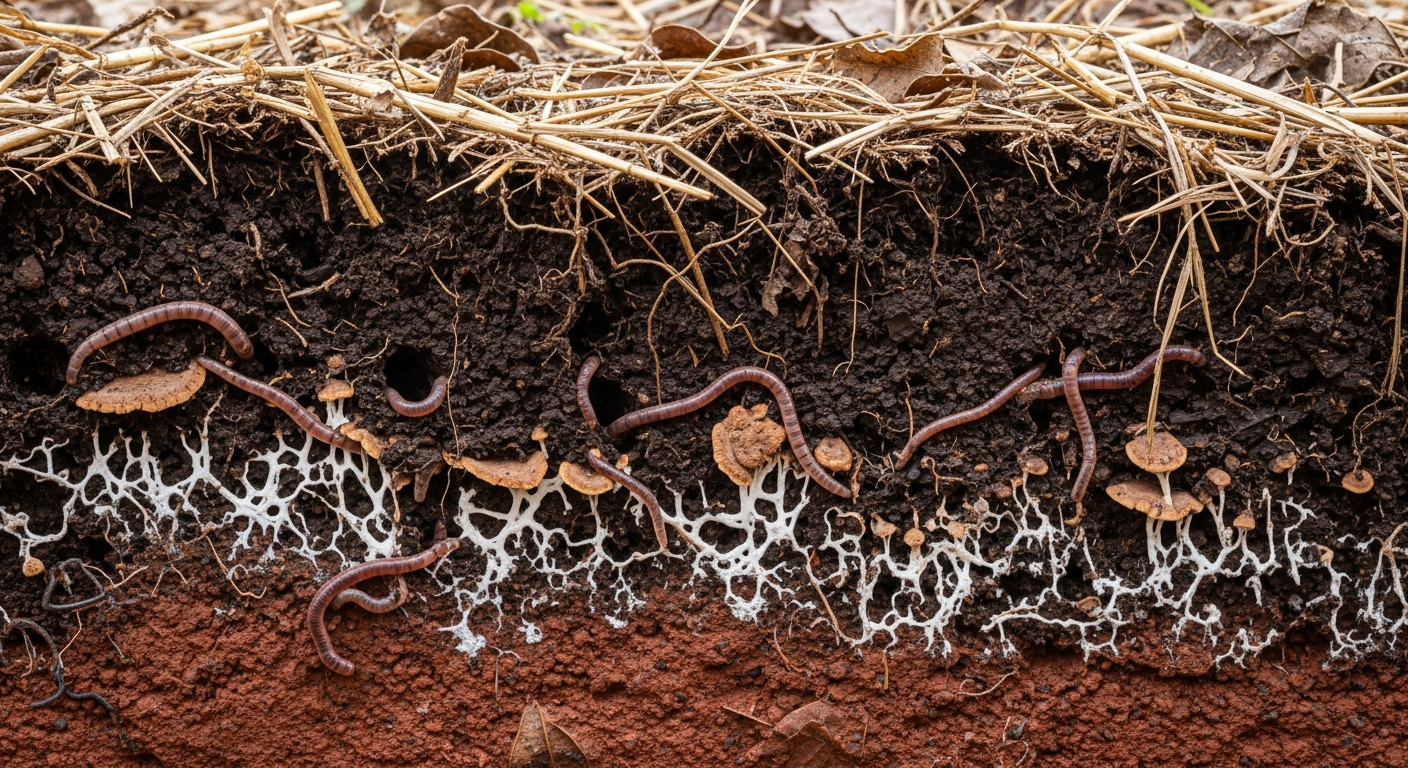
- Performance: In-ground beds connect with the subsoil. This provides better moisture retention and gives plant roots access to deeper minerals. You are building a permanent asset—healthy soil—that improves every year.
3. Container Gardening: A Tool, Not a System
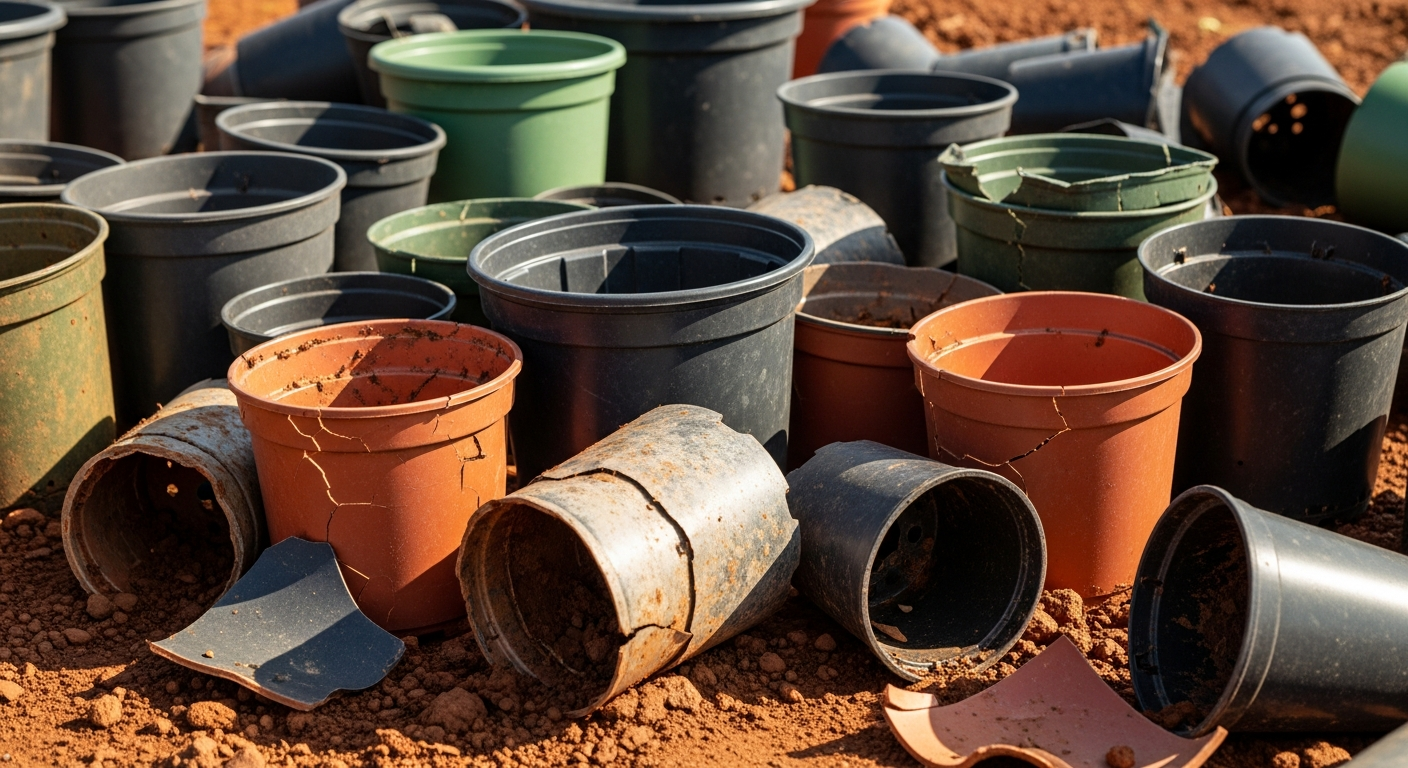
Containers have a place. Growing ginger on a heated patio. Starting high-value seedlings. Selling live herbs at a market. They are not a viable method for producing staple crops at scale. The soil volume is too small, they require daily watering, and the pots themselves (especially plastic) degrade and become waste.
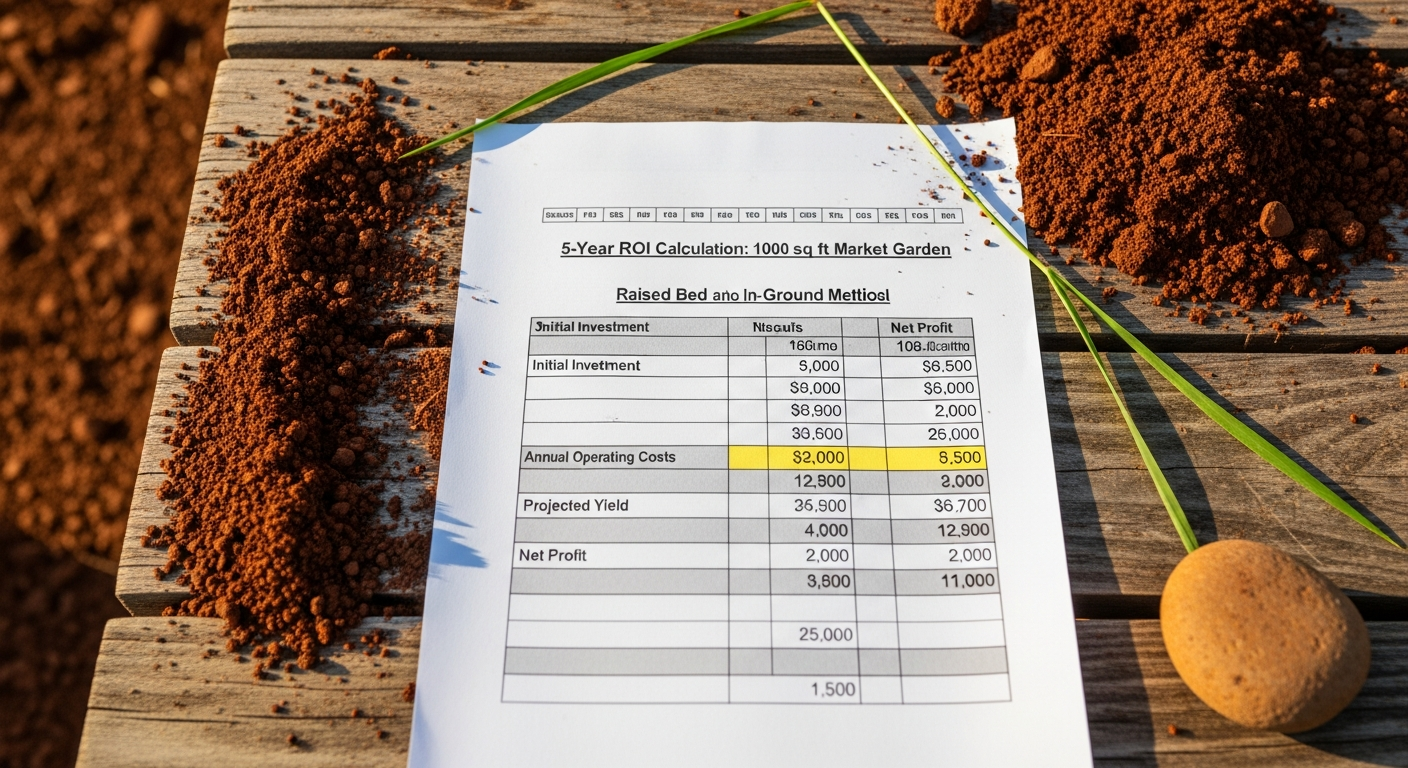
Cost & Yield Analysis: 5-Year Projection (100 sq ft)
This table assumes you are growing for profit. Time is money. Inputs are money.
| Metric | Raised Beds (Cedar) | In-Ground Beds | Notes |
|---|---|---|---|
| Year 1 Upfront Cost | ~$975 | ~$40 | Lumber, screws, soil vs. compost only. |
| Annual Input Cost | ~$75 | ~$40 | Raised beds require more top-offs & fertilizer. |
| Labor (Hours/Season) | 25 hrs | 20 hrs | In-ground is faster once established. |
| Avg. Yield (lbs) | 120 lbs | 150 lbs | Better root health in-ground boosts yield. |
| 5-Year Total Cost | $1,275 | $240 | Includes initial cost + 4 years of inputs. |
| 5-Year ROI | Low | High | The numbers speak for themselves. |
CONCLUSION
Don’t buy the marketing. Building wooden boxes is carpentry, not farming. Focus your capital and effort on the single most important asset: your soil. Use low-cost, high-efficiency in-ground methods. Build deep, living soil that will pay you back for decades. Save the boxes for the suburbs.
FAQ
My raised bed soil dries out too fast. What’s wrong?
Your soil volume is too low and it’s exposed to air on all sides. Increase organic matter (compost, coco coir) to hold moisture and apply a thick layer of wood chip or straw mulch. You are fighting a losing battle against physics.Is it cheaper to buy bagged soil or amend my native soil?
Amending is always cheaper and better. A $50 soil test tells you what your soil needs. A few bags of the right amendment (compost, lime, minerals) is far cheaper than the 1-2 cubic yards of bagged soil needed to fill a bed.How do I convert a lawn to in-ground beds?
Sheet mulch. Lay down cardboard directly on the grass (no tilling). Cover with 4-6 inches of compost and wood chips. Wait 3-6 months. The grass will be dead and you’ll have a perfect, no-till bed ready to plant.What’s the real cost of lumber for raised beds in 2024?
It’s high. Untreated pine will rot in 3-5 years. Cedar or composite decking is a long-term solution but costs $200+ per 4’x8′ bed. It’s a massive, often unnecessary, capital expense.Can I make a profit using only container gardening?
Unlikely for vegetables. The math doesn’t work due to low volume and high labor. The only exception is very high-value, niche products like rare herbs, saffron, or selling established fruit bushes to other gardeners.