A Horticulturist’s Guide to Drought-Resistant Vegetables for Georgia’s Red Clay
A Horticulturist’s Guide to Drought-Resistant Vegetables for Georgia’s Red Clay
By Dr. Elena Vance, Lead Horticulturist
Hello, fellow gardeners. For the last thirty years, I’ve had my hands in this beautiful, stubborn Georgia red clay. I’ve learned that our summer sun doesn’t just warm; it bakes. And our soil, rich as it is in minerals, can turn to brick without the proper care. But I am here to tell you that a lush, productive vegetable garden is not only possible during our driest spells—it’s achievable when we work with our environment, not against it. This guide is about choosing the right plants and, more importantly, building the right foundation in the soil to ensure your garden thrives, even when the rain gauge is dusty.
Key Takeaways
- Soil Amendment is Non-Negotiable: To succeed in Georgia, you must transform your dense red clay into a friable, water-retentive loam. Heavy additions of organic matter like compost are not a suggestion; they are the first and most critical step to a drought-resilient garden.
- Variety Selection is Paramount: Not all vegetables are created equal, especially in our Zone 8a climate. Choosing specific, heat-adapted cultivars like ‘Georgia Jet’ sweet potatoes or ‘Clemson Spineless’ okra is the difference between a harvest and heartbreak.
- Watering Strategy Matters: Deep, infrequent watering using drip irrigation is the most effective method. This technique encourages plants to develop deep, robust root systems that can seek out moisture far below the surface, making them less dependent on frequent rainfall.
The Deep Dive
Understanding (and Loving) Our Georgia Red Clay
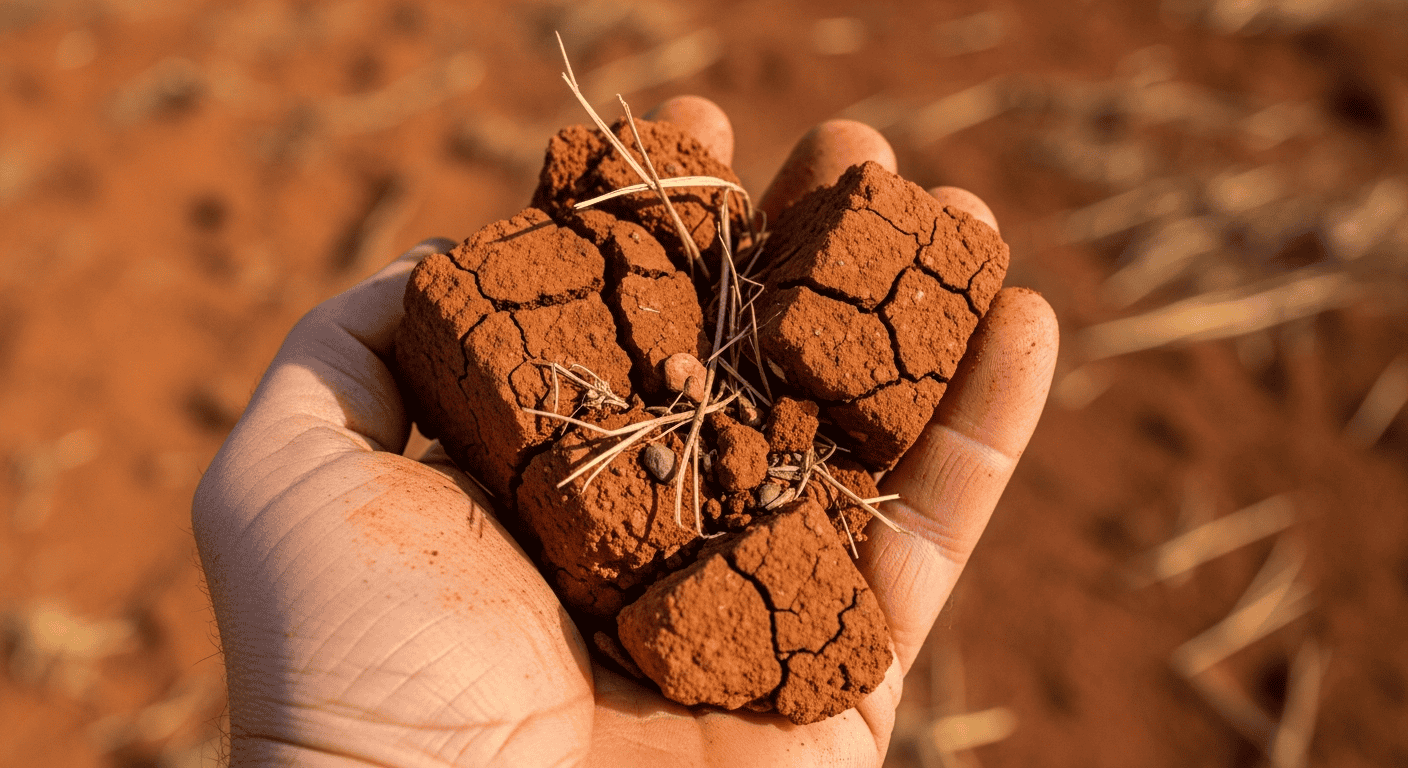
Before we can plant, we must understand the medium we are working with. Much of Georgia is built upon a soil series known as Cecil—our official state soil. It’s an Ultisol, characterized by its reddish hue from iron oxides and its high clay content. While it’s rich in nutrients, its fine particles compact easily.
When this clay compacts, it creates two significant problems for gardeners:
1. Poor Infiltration: Water from a summer downpour tends to run right off the surface instead of soaking in, carrying away valuable topsoil with it.
2. Poor Aeration: Plant roots need oxygen to survive and thrive. Compacted clay has very little pore space, effectively suffocating the delicate root systems of many common vegetables.
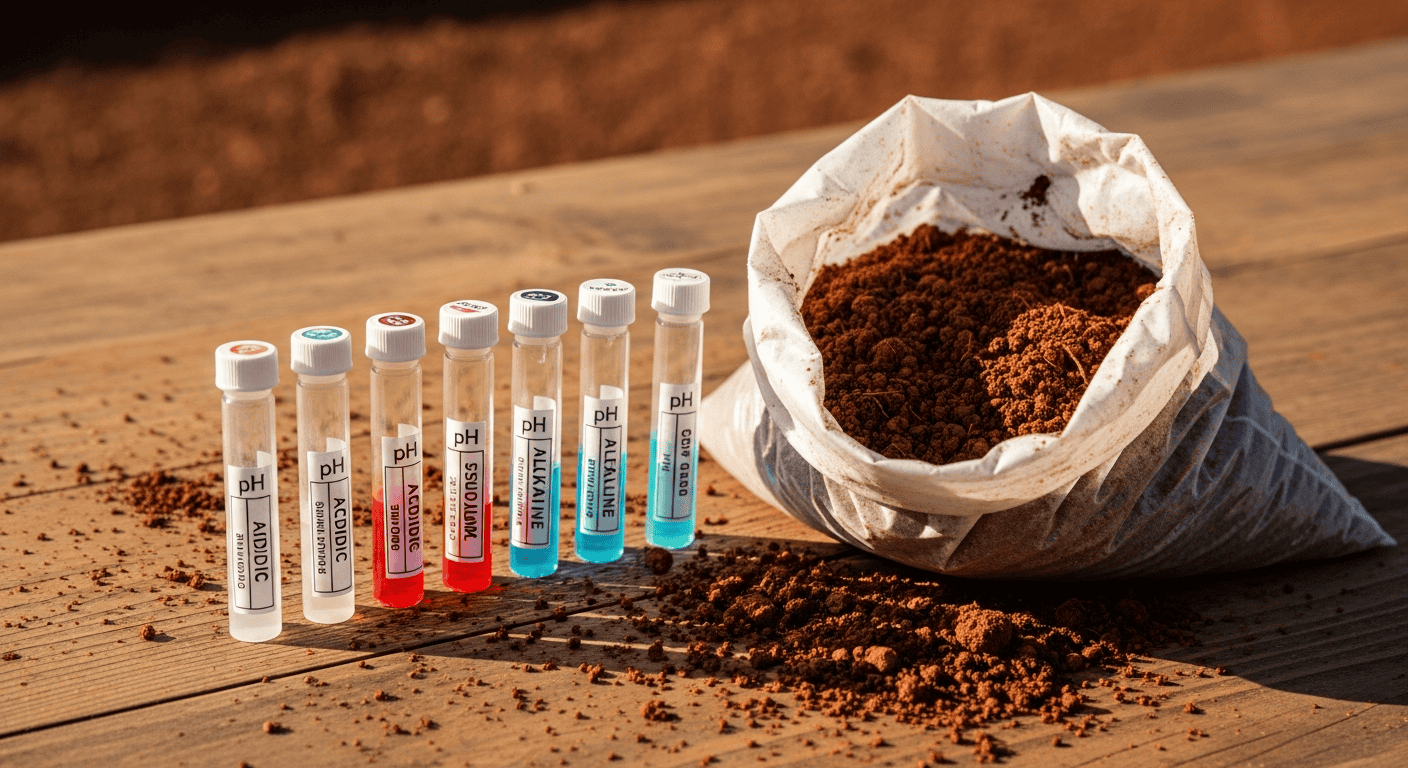
The first step in any successful Georgia garden is a soil test. You can get a kit from your local UGA Extension office. For most vegetables, we are aiming for a soil pH between 6.0 and 6.5. Our native clay is often acidic, so you will likely need to amend with lime, but only a soil test can tell you precisely how much. To guess is to gamble with your entire season.
The Foundation: Amending and Mulching for Water Conservation
If the soil is the foundation of your garden, then organic matter is the key ingredient in the concrete. Amending your soil is the single most important action you can take to build drought resilience.
- What to Add: The goal is to incorporate copious amounts of organic material. I recommend a mix of well-rotted compost, aged pine bark fines, and leaf mold. Aged animal manures are also excellent but ensure they are fully composted to avoid burning your plants.
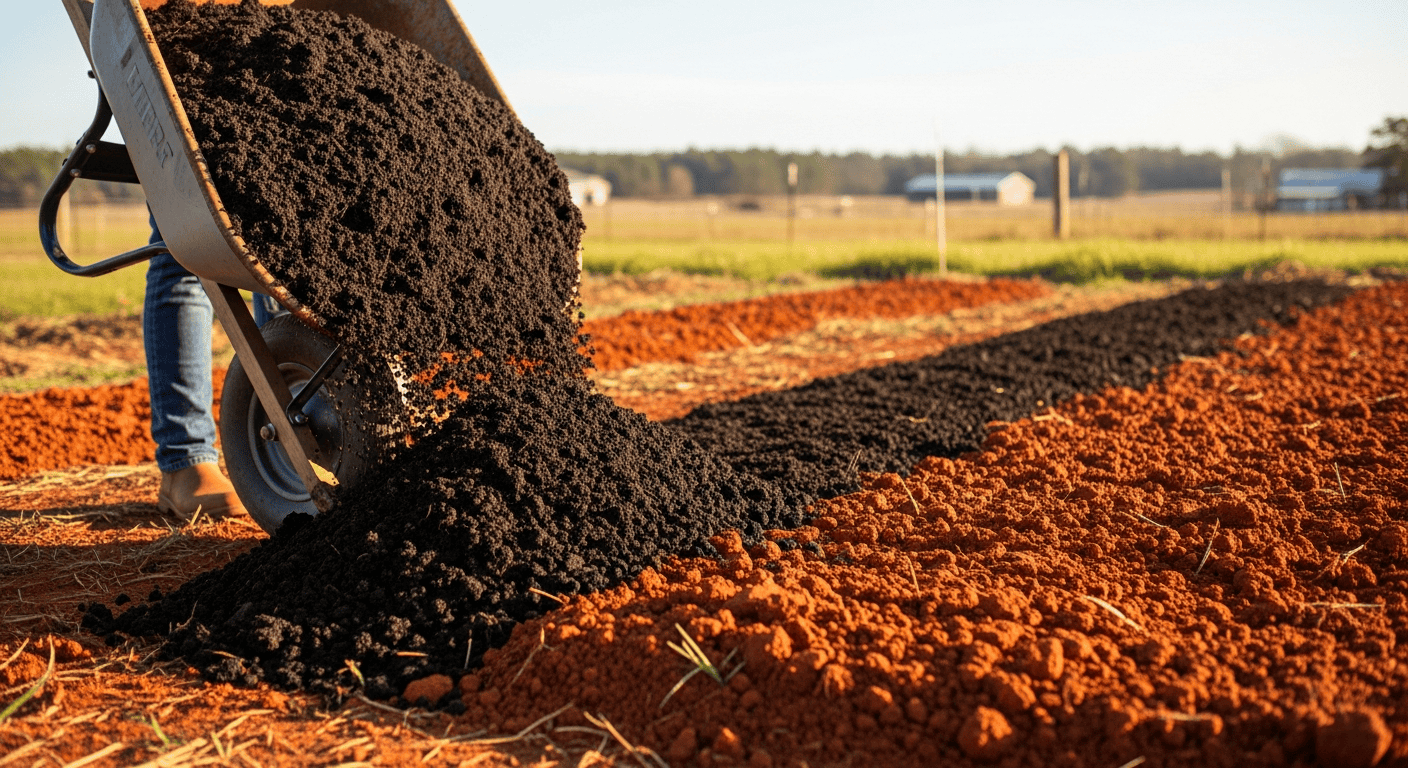
- How to Add It: For a new garden bed, spread a 4- to 6-inch layer of your chosen organic matter over the entire area. Then, work it into the top 8 to 12 inches of clay. This is hard work, requiring a sturdy tiller or a strong back and a good digging fork, but it only needs to be done once to this extent. Each subsequent year, you can top-dress with 1-2 inches of compost.
- The Science: Adding this material physically separates the tiny clay particles. This creates larger pore spaces (macropores) that allow water and air to penetrate. Furthermore, the organic matter itself acts like a sponge, absorbing and holding rainwater for your plants to use later. This process improves the soil’s “tilth,” a term we horticulturists use to describe its physical condition and suitability for planting.
Mulching: The Gardener’s Best Friend
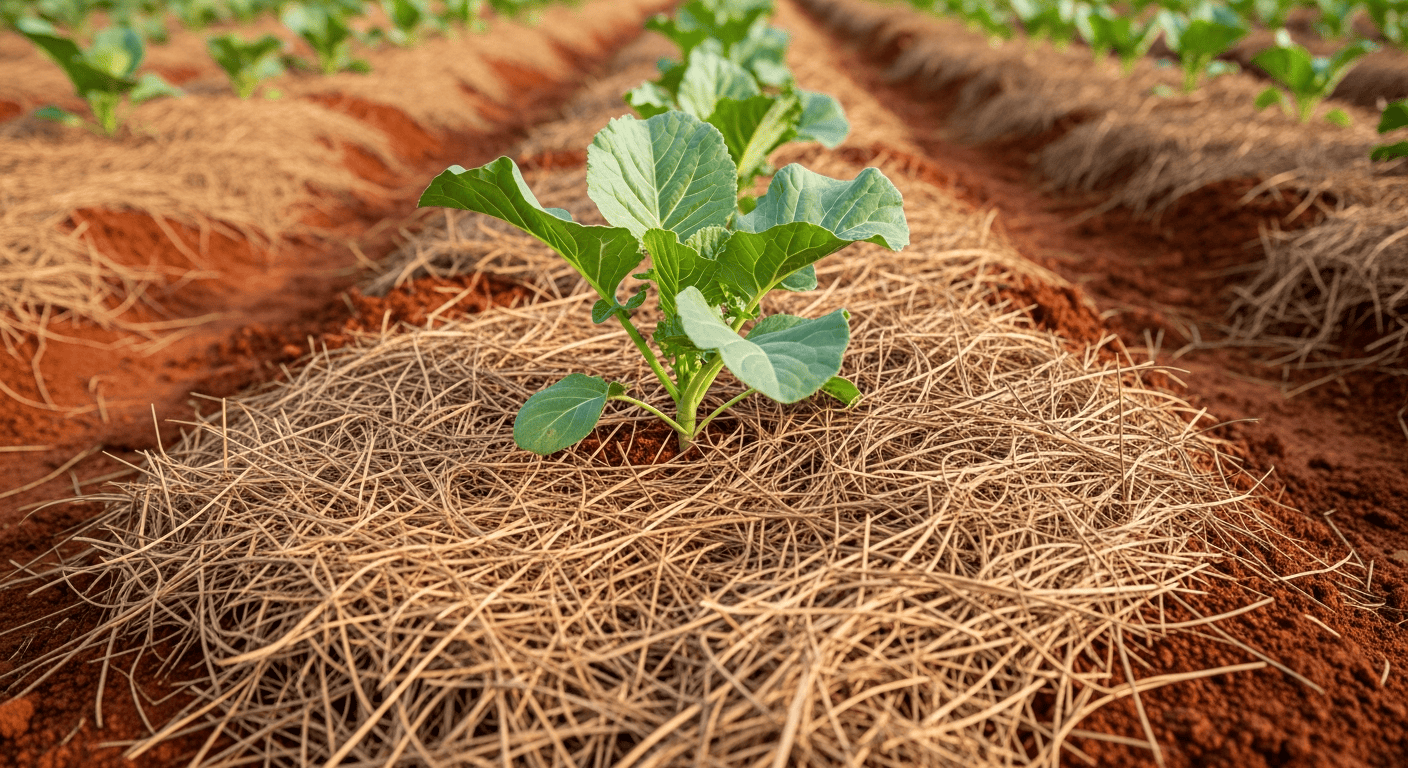
After you’ve planted your carefully chosen vegetables, you must mulch. I cannot overstate this. A 3- to 4-inch layer of mulch is non-negotiable in a Georgia summer garden.
Mulch serves several critical functions:
* Moisture Conservation: It dramatically reduces water evaporation from the soil surface, keeping the root zone moist for longer.
* Temperature Regulation: It insulates the soil, protecting delicate roots from the brutal afternoon sun and preventing the soil from baking into a crust.
* Weed Suppression: It blocks sunlight from reaching weed seeds, reducing competition for water and nutrients.
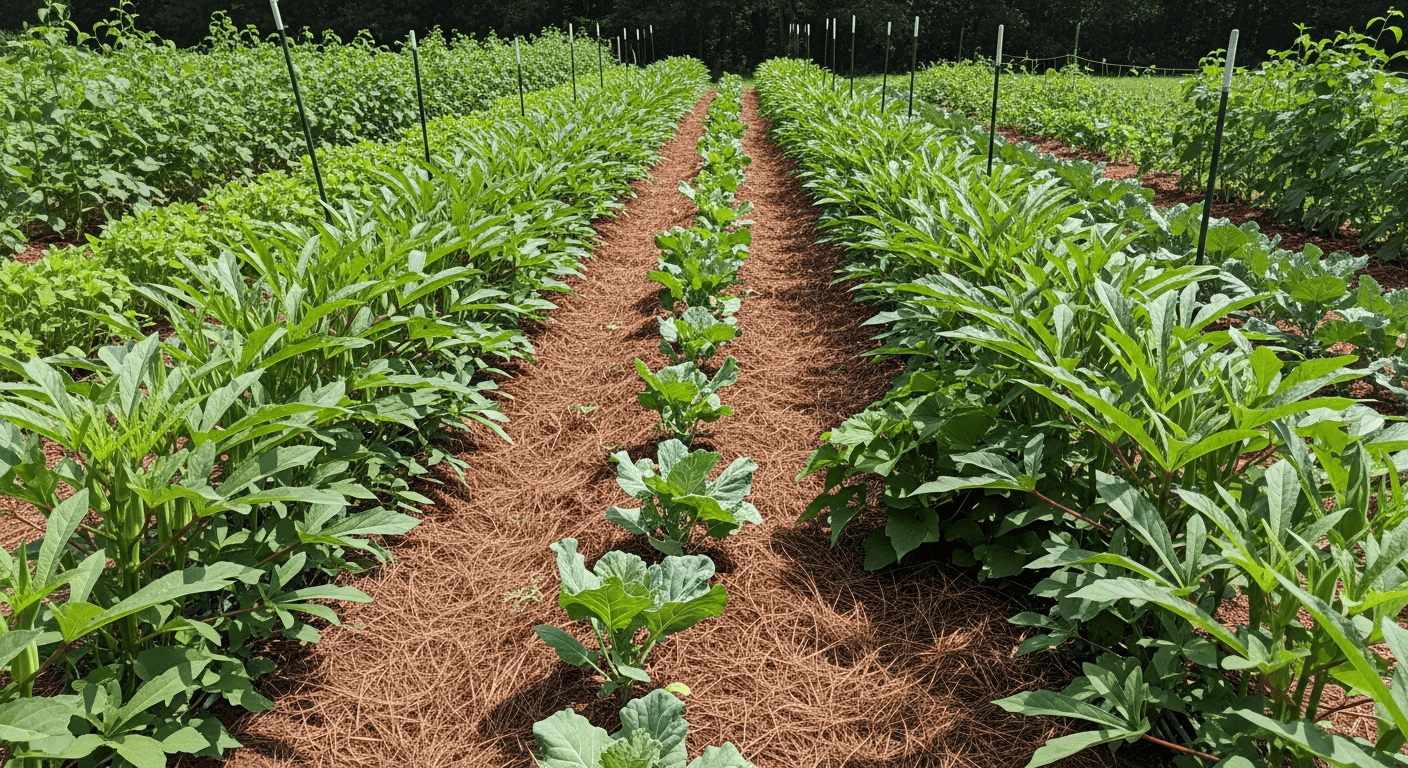
In Georgia, excellent mulch choices include pine straw, shredded leaves, wood chips, or clean straw. Apply it generously around your plants, but be careful not to pile it directly against the plant stems, which can encourage rot.
The Champions: Top 5 Drought-Tolerant Vegetables for Zone 8a
Now that we’ve prepared the perfect home for our plants, let’s choose the residents. These five champions have proven their mettle time and again in my own garden and across our state.
1. Okra (Abelmoschus esculentus)
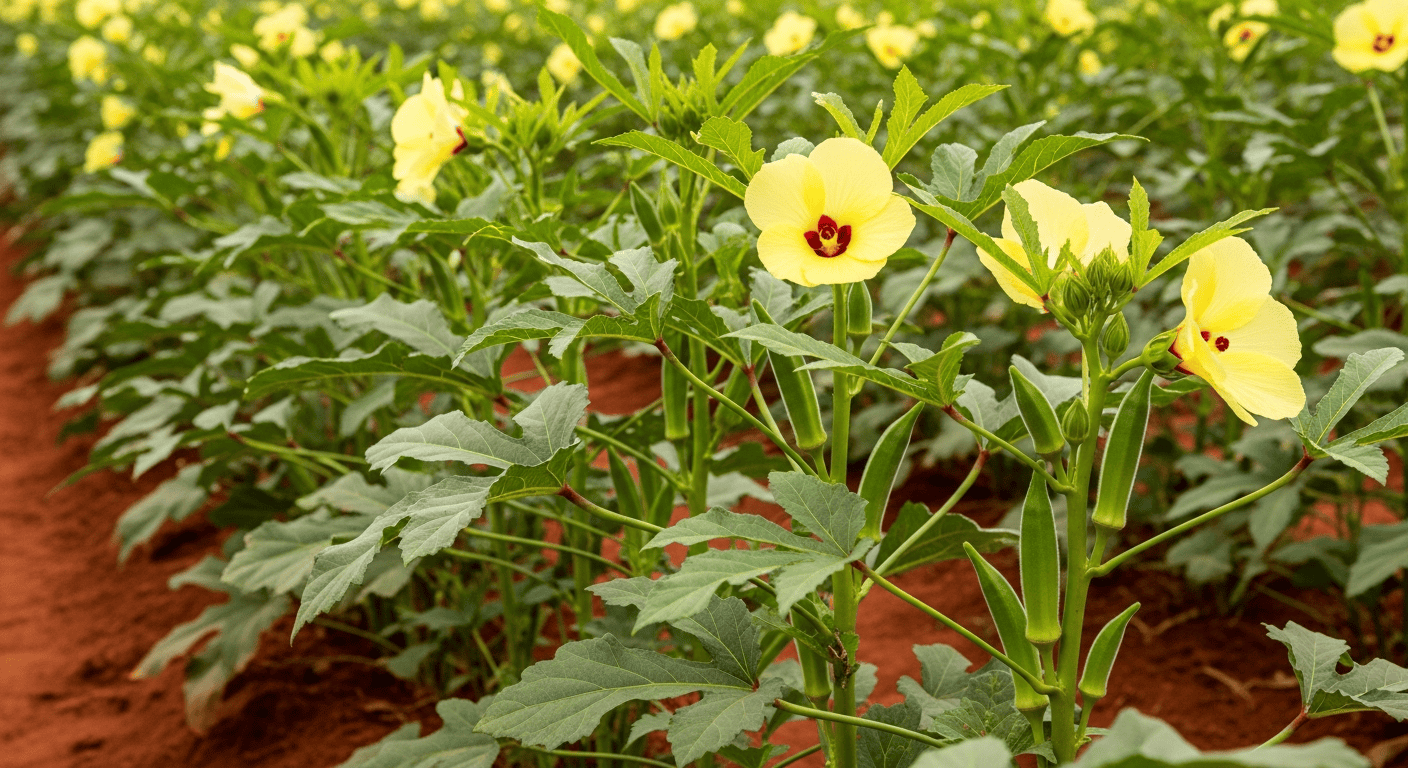
If there is one vegetable that laughs at a Georgia August, it is okra. This African native thrives in the heat and can produce prolifically even with infrequent watering once its deep taproot is established.
- Why It Works in Georgia: Its taproot can delve deep into our clay subsoil to find moisture reserves other plants can’t reach. It loves heat and full, intense sun.
- Recommended Cultivars: ‘Clemson Spineless’ is the classic, reliable choice. ‘Emerald’ is another excellent producer with beautiful, dark green pods.
- Planting & Care: Plant seeds directly in the garden about 1 inch deep after all danger of frost has passed, typically from April 15th to June 15th. Give them space—at least 18 inches between plants. Harvest pods when they are young and tender (2-4 inches long) to encourage continuous production.
2. Southern Peas / Cowpeas (Vigna unguiculata)
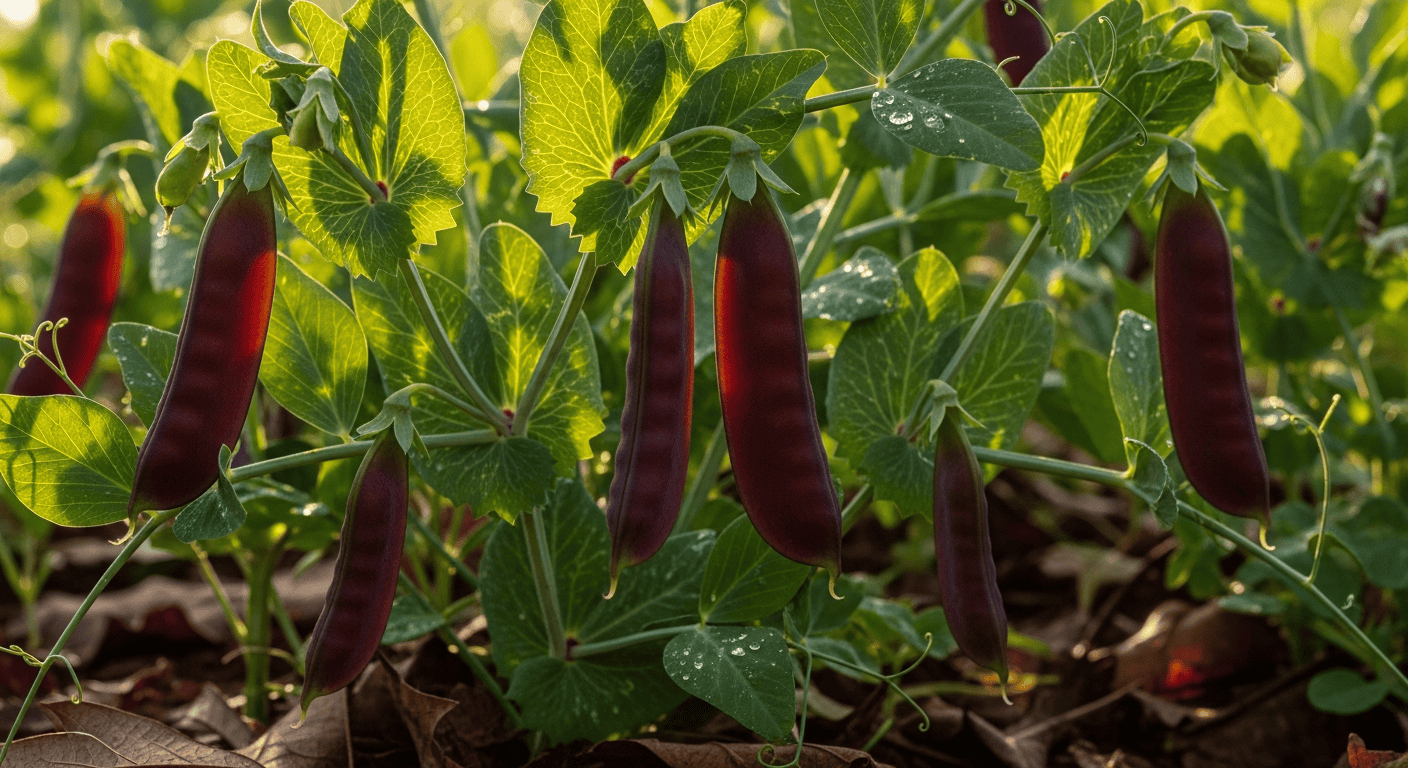
This category includes beloved staples like black-eyed peas, crowder peas, and cream peas. They are nitrogen-fixers, meaning they improve the soil while they grow, and are exceptionally well-adapted to our climate.
- Why It Works in Georgia: These legumes are incredibly heat-tolerant and perform well even in soil that isn’t perfectly amended. They are a true workhorse of the Southern garden.
- Recommended Cultivars: ‘Pinkeye Purple Hull’ is a productive and popular variety. ‘Mississippi Silver’ is another fantastic choice known for its resilience.
- Planting & Care: Sow seeds directly from April 15th all the way through August 1st for a continuous harvest. They come in both bush and vining (pole) types, so provide a trellis if you choose a vining variety. They require very little fuss once established.
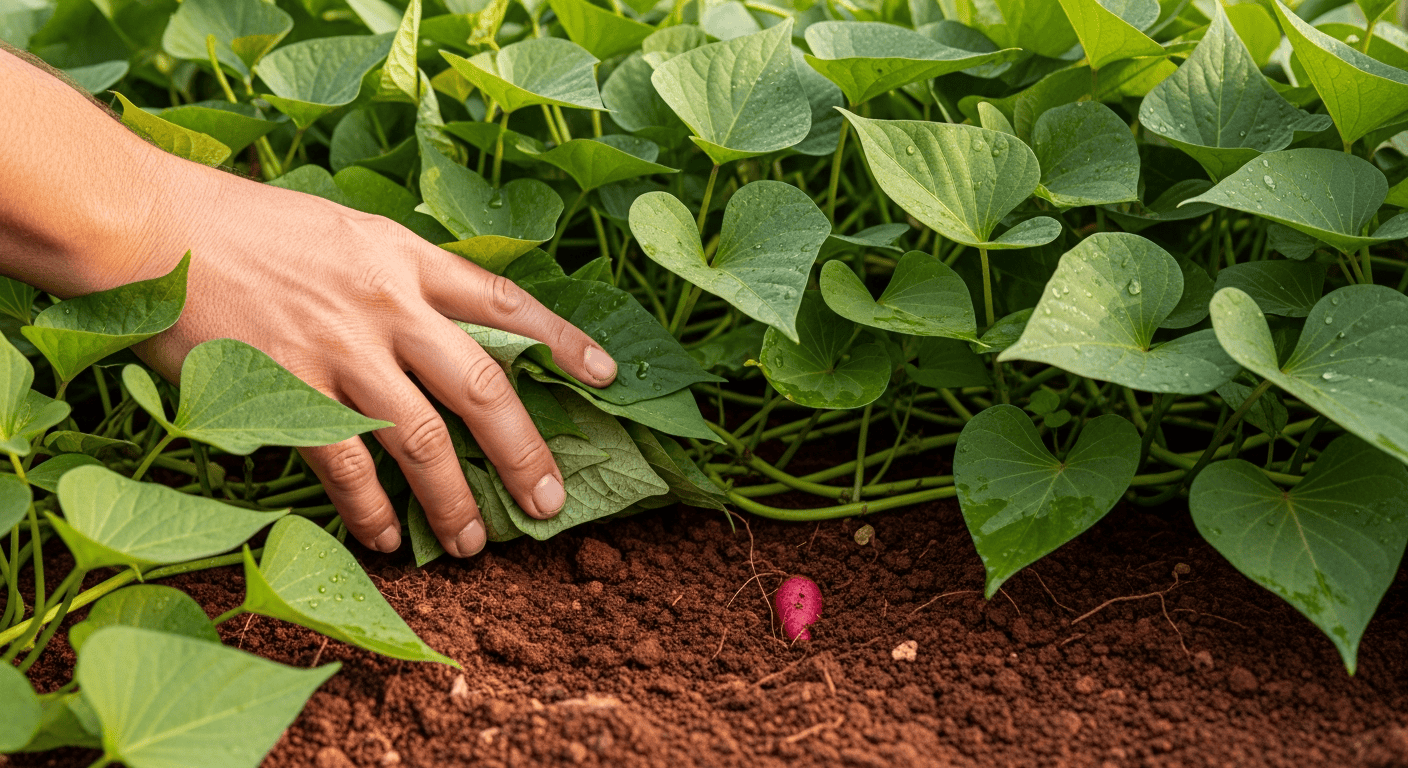
3. Sweet Potatoes (Ipomoea batatas)
Do not confuse this with a regular potato. The sweet potato is a tropical plant whose sprawling vines create a living mulch, shading the soil and conserving moisture. Once its tuberous roots begin to form, it is remarkably drought-tolerant.
- Why It Works in Georgia: Its deep-running root system and ground-covering foliage make it a perfect match for our hot, dry summers.
- Recommended Cultivars: ‘Georgia Jet’ is an early-maturing variety perfect for our growing season. ‘Beauregard’ is a commercial favorite known for its high yields and disease resistance.
- Planting & Care: Sweet potatoes are grown from “slips,” which are rooted sprouts. Plant slips from April 15th to June 15th in raised rows or “hills” to give the tubers plenty of room to develop in our heavy soil. Water them well for the first few weeks to get them established, and then they will largely take care of themselves.
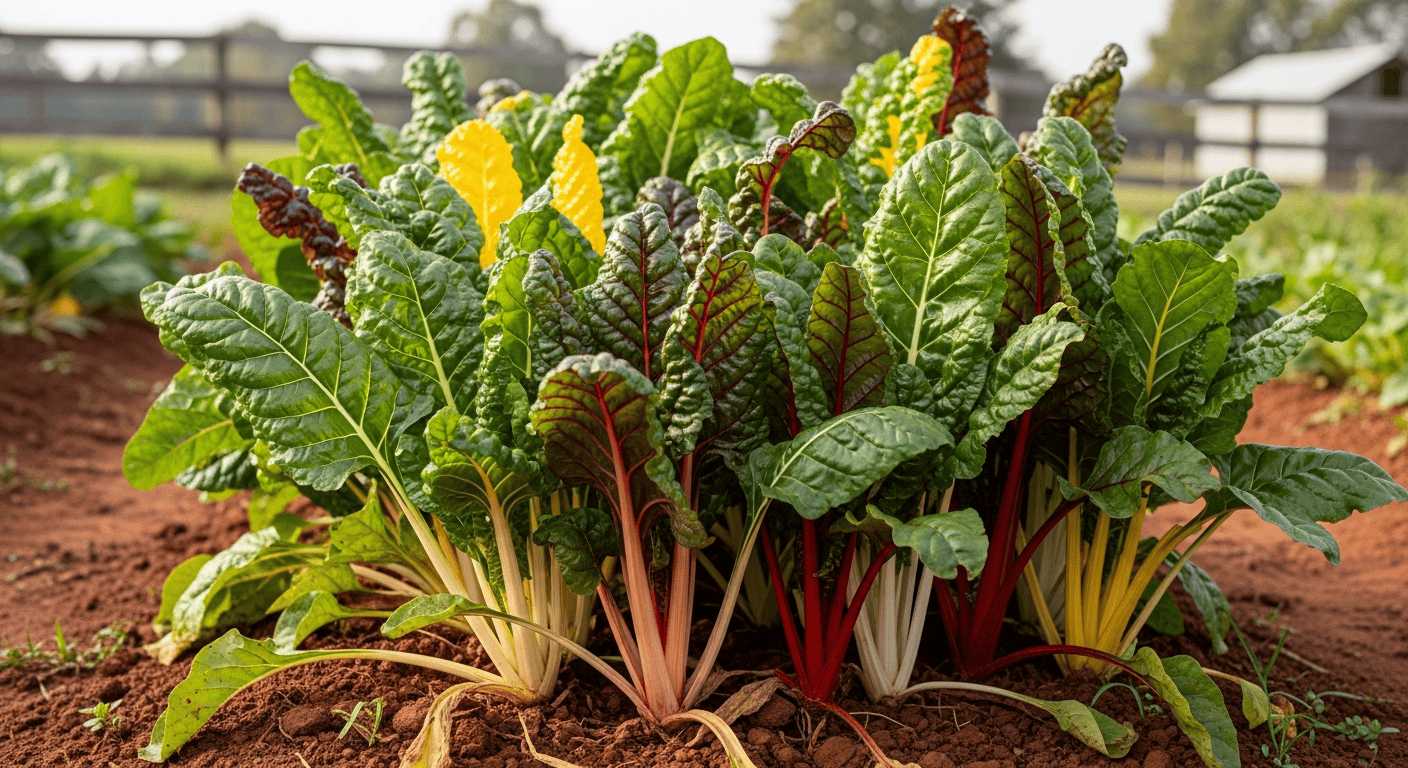
4. Swiss Chard (Beta vulgaris subsp. vulgaris)
For those who crave summer greens but find that spinach bolts at the first sign of heat, Swiss chard is your answer. It is far more tolerant of both heat and dry spells, providing a harvest through the hottest months.
- Why It Works in Georgia: Its deep root system makes it more drought-tolerant than other leafy greens. While the leaves may wilt in the afternoon sun, they typically perk back up overnight.
- Recommended Cultivars: ‘Fordhook Giant’ is a classic with large, crinkly green leaves. For a splash of color, ‘Bright Lights’ produces stems in stunning shades of yellow, pink, and red.
- Planting & Care: You can plant for a spring crop (March 1 – April 15) and a fall crop (July 15 – August 15). Harvest the outer leaves regularly, and the plant will continue to produce new growth from the center.
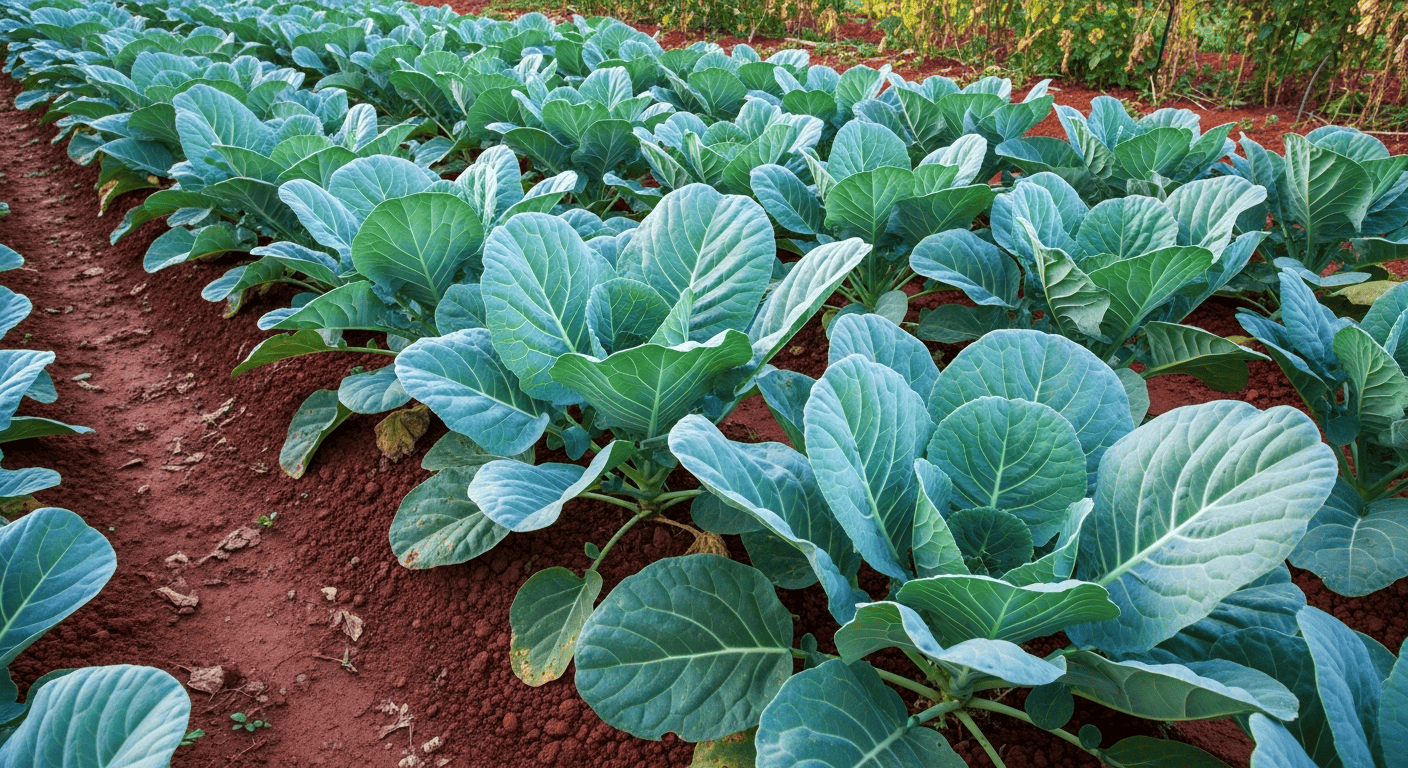
5. Collard Greens (Brassica oleracea var. viridis)
No Georgia garden feels complete without a patch of collards. This staple is tougher and more heat-tolerant than its cabbage-family cousins like kale or broccoli, making it an excellent choice for extending the greens season.
- Why It Works in Georgia: Collards are deeply rooted in Southern agriculture for a reason—they can handle our climate. They are tough, resilient, and their flavor even improves after a light frost in the fall.
- Recommended Cultivars: ‘Georgia Southern’ is a slow-bolting heirloom variety perfectly named for our region. ‘Vates’ is another reliable, non-heading type.
- Planting & Care: While they can be grown in spring, collards truly shine in the fall garden. Set out transplants from July 15th to September 1st. They will establish during the late summer heat and provide harvests well into the winter.
The Art of Watering: Deep Roots for Dry Times
How you water is just as important as when you water. The goal is to encourage your plants to become self-sufficient.
- Deep and Infrequent: A light sprinkle every day is the worst thing you can do. It encourages shallow, lazy root systems that are entirely dependent on you. Instead, water deeply once or twice a week. You want the water to soak down at least 6-8 inches into the soil. This forces the plant’s roots to grow downward in search of that deep moisture, creating a much more resilient plant.
- Timing is Everything: Water in the early morning, between 6 a.m. and 9 a.m. This minimizes water loss to evaporation and allows the plant foliage to dry before nightfall, which helps prevent common fungal diseases that plague us in the Georgia humidity.
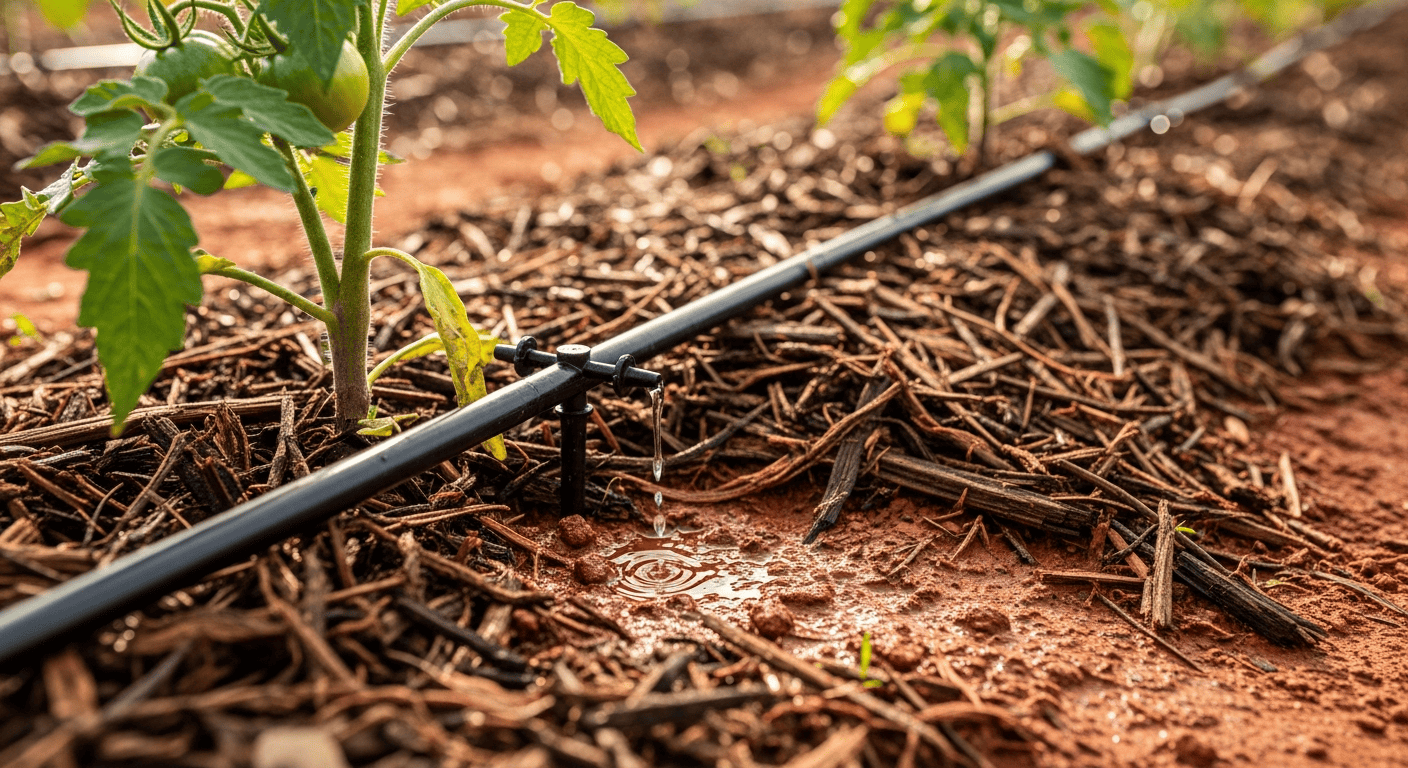
- The Right Tools: Overhead sprinklers are incredibly inefficient. Much of the water evaporates before it even hits the ground, and wetting the leaves promotes disease. I exclusively recommend drip irrigation or soaker hoses. These systems deliver water slowly and directly to the root zone, exactly where it’s needed. It is the single best investment you can make for water conservation in your garden.
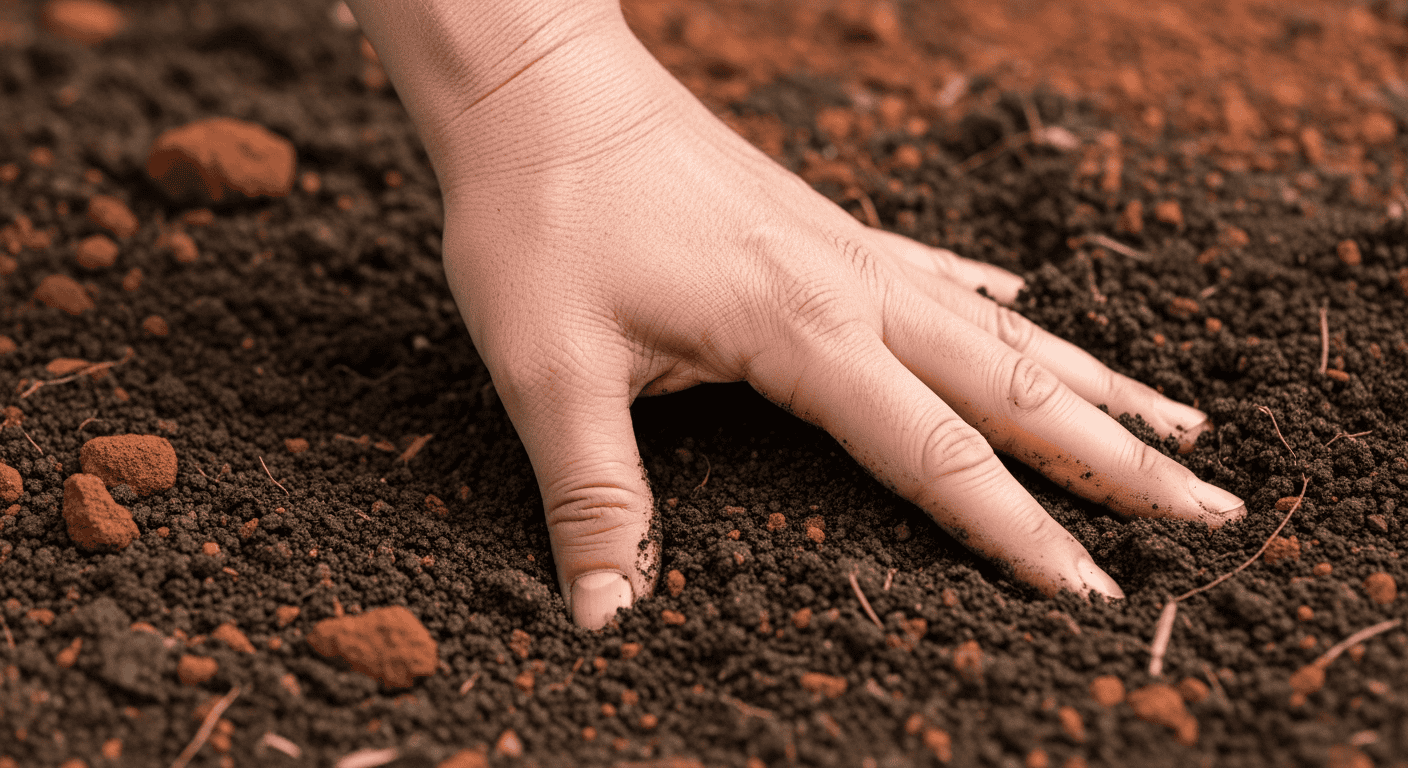
How do you know when to water? Don’t just look at the plant; look at the soil. Stick your finger two inches deep into the soil near the base of a plant. If it feels dry at that depth, it’s time to water. If it’s still moist, wait another day or two. Your plants will thank you.
Frequently Asked Questions (FAQ)
1. Can I just plant directly in my Georgia red clay without amending it?
I would strongly advise against it. While some tough plants might survive, they will not thrive. The compaction will stunt root growth, and the poor water infiltration means they will be under constant drought stress. Amending is the key to unlocking the potential of your soil.
2. What is the single best mulch for a vegetable garden in Georgia?
For pure function, I prefer clean straw or shredded leaves. They break down over the season, adding valuable organic matter to the soil. Pine straw is also an excellent and widely available choice, though it breaks down more slowly.
3. How can I tell if my plants are drought-stressed or just wilting from the afternoon heat?
This is a great question. It’s common for plants with large leaves, like squash, to wilt in the peak afternoon sun to conserve moisture. This is called temporary wilting. The key is to check them again in the evening or early the next morning. If they have perked back up, they are fine. If they are still wilted in the cool of the morning, they are truly drought-stressed and need a deep watering.
4. Are tomatoes drought-resistant?
Not truly, no. Tomatoes (Solanum lycopersicum) require consistent moisture to produce well and avoid problems like blossom-end rot. However, you can make them more drought-resilient by amending the soil heavily, mulching deeply, and using drip irrigation to provide that consistent moisture efficiently.
5. When is the best time of year to amend my soil?
The fall is the ideal time. You can incorporate your amendments and let them mellow over the winter. However, amending in the spring a few weeks before you plant is also perfectly effective. The most important thing is that you do it.
6. My clay is as hard as a brick. How do I even start breaking it up?
The easiest way is to work on it when the soil is slightly moist—not soaking wet and not bone dry. If it’s very dry, water the area a day or two before you plan to dig. Use a high-quality digging fork or a broadfork to break up the compaction. It’s a process, but layering compost on top (sheet mulching) and letting the earthworms do the work for you over a season is another, less labor-intensive method.
7. Can I use grass clippings as mulch?
Yes, with a few caveats. Use only clippings from a lawn that has not been treated with herbicides. Apply them in thin layers, allowing each layer to dry before adding the next. A thick, green layer of fresh clippings can mat down and become a slimy, anaerobic mess.
8. What about using raised beds to avoid dealing with clay?
Raised beds are a fantastic solution! They allow you to control the soil medium completely. You can fill them with a perfect mix of compost, topsoil, and other amendments. Just be aware that raised beds can dry out faster than in-ground gardens, so consistent mulching and watering are still critical.
Sources
- UGA Extension – Vegetable Gardening in Georgia: https://extension.uga.edu/content/dam/extension-county-offices/white-county/anr/vegetable-gardening-in-georgia.PDF
- UGA Extension – Home Garden Planting Chart: https://secure.caes.uga.edu/extension/publications/files/html/B577/B577PlantingChart.pdf
- Positive Bloom – Crops That Thrive In Clay Soil In Georgia: https://positivebloom.com/crops-that-thrive-in-clay-soil-in-georgia/